
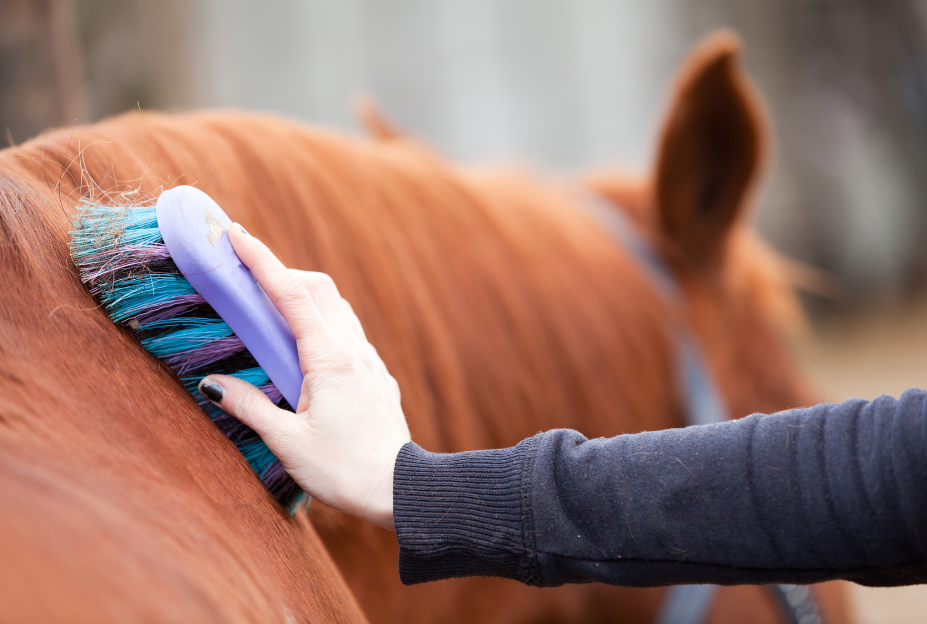
Caring for a horse is a rewarding responsibility that requires daily attention, knowledge, and commitment. Whether you are new to horse ownership or looking to refine your routine, understanding the essentials of everyday equine care is crucial for your horse’s health and happiness. This guide covers the most important aspects of daily routines, from feeding and grooming to exercise and health checks, ensuring your horse thrives in your care.
For a comprehensive overview of equine care routines, including daily, weekly, and yearly responsibilities, you can explore this comprehensive guide to horse care responsibilities from Layla Rose Ranch.
Daily Feeding and Watering Essentials
One of the most critical components of daily horse care is providing fresh water and balanced nutrition. Horses require access to clean water at all times, as dehydration can quickly lead to health issues. Check water buckets or automatic waterers twice a day, ensuring they are clean and full.
Feed should be tailored to your horse’s age, workload, and health status. Most horses thrive on a diet of quality hay, supplemented with grains or concentrates as needed. Divide feedings into at least two meals per day to support proper digestion. Monitor your horse’s body condition regularly and adjust rations as necessary to maintain a healthy weight.
- Provide unlimited access to clean, fresh water.
- Feed high-quality hay and adjust grain according to activity level.
- Clean feed and water containers daily to prevent mold and contamination.
Grooming: More Than Just Looks
Regular grooming is not only about keeping your horse looking its best—it’s a vital part of monitoring health and building trust. Daily grooming sessions allow you to check for cuts, swelling, or signs of discomfort. Use a curry comb to loosen dirt and stimulate the skin, followed by a stiff brush to remove debris. Finish with a soft brush for shine and a hoof pick to clean out the feet.
Grooming also helps prevent skin conditions and promotes circulation. Pay special attention to the mane, tail, and sensitive areas such as the girth and underbelly. During grooming, check for ticks, burrs, or signs of rain rot, and address any issues promptly.
Hoof Care and Daily Inspections
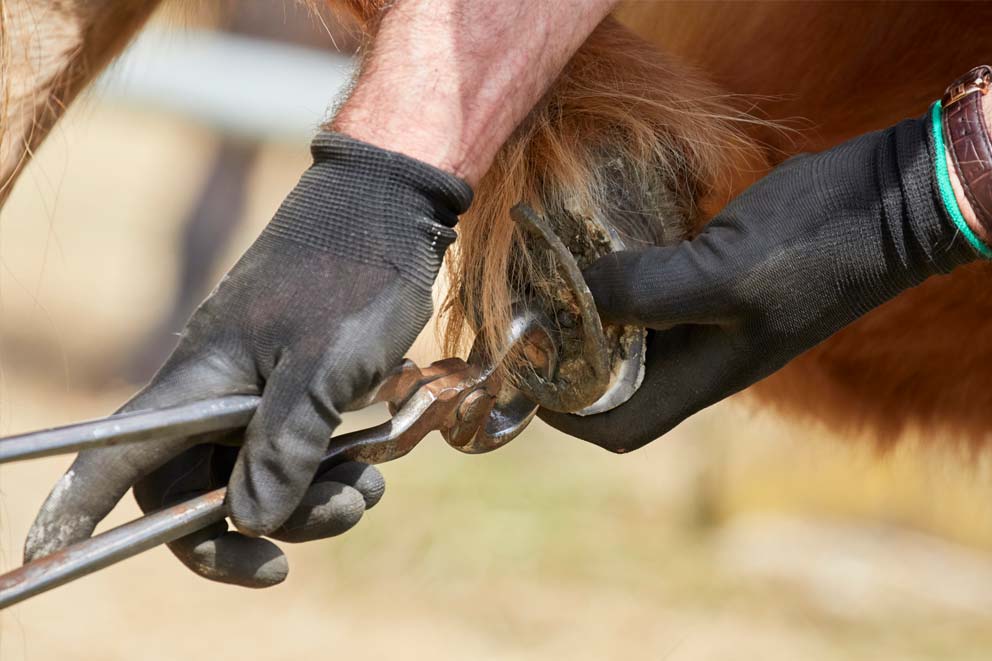
Healthy hooves are the foundation of a sound horse. Pick out your horse’s hooves every day to remove dirt, stones, and manure. This prevents thrush and allows you to spot cracks or injuries early. Regular hoof care also helps your horse stay comfortable and reduces the risk of lameness.
Schedule routine visits from a qualified farrier every 6–8 weeks, but daily checks are essential. Look for signs of heat, odor, or discharge, which can indicate infection. If you notice any abnormalities, consult your farrier or veterinarian promptly.
Exercise and Mental Stimulation
Daily movement is vital for a horse’s physical and mental well-being. Turnout in a safe paddock allows your horse to stretch, graze, and interact with companions. If turnout is limited, provide structured exercise through riding, lunging, or hand-walking.
Incorporate variety into your horse’s routine to prevent boredom. Groundwork, obstacle courses, or trail rides can keep your horse engaged and responsive. Regular exercise helps maintain muscle tone, supports digestion, and reduces the risk of behavioral issues.
Monitoring Health and Behavior
Observing your horse each day is key to catching health concerns early. Take note of appetite, water intake, manure consistency, and overall demeanor. Changes in behavior, such as lethargy or restlessness, can signal discomfort or illness.
Check vital signs if you suspect something is wrong. A normal temperature for a horse ranges from 99–101°F (37.2–38.3°C), and the resting heart rate is typically 28–44 beats per minute. Keep a basic first aid kit on hand and know when to call your veterinarian.
- Inspect eyes, nose, and coat for abnormalities.
- Monitor for signs of colic, lameness, or respiratory issues.
- Record any changes in a daily log for reference.
Stable Management and Cleanliness
Maintaining a clean environment is essential for your horse’s health. Muck out stalls and remove manure from paddocks daily to minimize the risk of infections and parasites. Replace soiled bedding and ensure adequate ventilation in barns and shelters.
Regularly check fencing, gates, and water sources for safety and repair any hazards promptly. Clean tack and equipment after use to prevent the buildup of dirt and bacteria.
Seasonal Adjustments in Care
Daily routines may need to be adapted based on the season. In hot weather, provide shade and monitor for signs of heat stress. During winter, ensure your horse has access to unfrozen water and adequate shelter from wind and precipitation. Adjust feed as needed to maintain body condition throughout the year.
Blanketing may be necessary for clipped or older horses in cold climates, but always check under blankets daily for rubs or skin issues.
Building a Strong Relationship Through Routine
Consistent, attentive care not only supports your horse’s physical health but also strengthens the bond between you. Horses thrive on routine and clear communication. Approach every interaction with patience and respect, and your horse will learn to trust and rely on you.
By mastering the basics of daily care, you lay the foundation for a happy, healthy partnership with your horse.
Frequently Asked Questions
How often should I groom my horse?
It’s best to groom your horse every day. Daily grooming keeps the coat clean, allows you to check for injuries, and helps build trust between you and your horse.
What signs indicate my horse might be unwell?
Watch for changes in appetite, water intake, manure, or behavior. Signs like lethargy, restlessness, abnormal sweating, or changes in vital signs may indicate illness. If you notice any of these, contact your veterinarian promptly.
How much water does a horse need daily?
An average adult horse typically drinks between 5 and 10 gallons (19–38 liters) of water each day, but this can increase with heat, exercise, or lactation. Always provide unlimited access to clean, fresh water.