
Healthy hooves are fundamental to a horse’s overall well-being and performance. The concept of natural hoof care for horses emphasizes working with the horse’s biology and environment rather than relying solely on traditional shoeing or chemical treatments. This approach focuses on regular maintenance, proper nutrition, and creating living conditions that mimic a horse’s natural habitat. By understanding the basics and applying practical strategies, horse owners can support strong, resilient hooves and reduce the risk of common hoof problems.
In this article, we’ll explore the core principles of holistic hoof maintenance, practical trimming routines, environmental considerations, and how to spot and address common issues. You’ll also find tips on choosing the right products and learn how natural methods fit into a broader, horse-friendly care routine. For a broader perspective on holistic equine wellness, you might find this resource on holistic methods of horse care helpful.
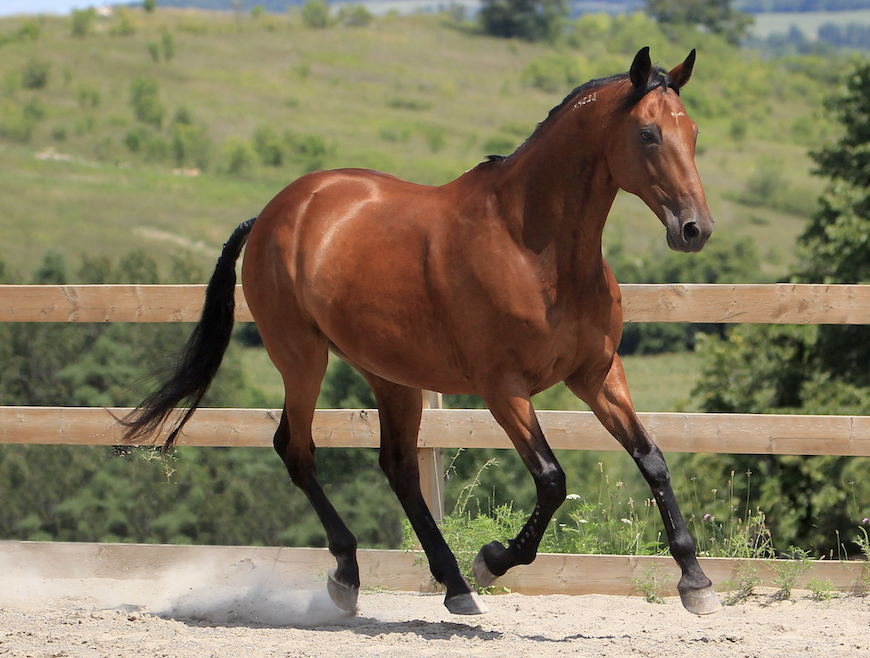
Understanding the Principles of Barefoot Hoof Maintenance
The philosophy behind natural hoof care for horses is rooted in replicating the conditions that wild horses experience. In the wild, horses travel many miles daily over varied terrain, naturally wearing down their hooves and promoting healthy growth. Domesticated horses, on the other hand, often live in softer environments and may not get the same level of movement, leading to overgrown or weakened hooves.
Key principles include:
- Encouraging regular movement to stimulate blood flow and natural wear
- Maintaining a balanced diet rich in essential nutrients for hoof health
- Providing a dry, clean environment to minimize the risk of infection
- Using gentle, non-invasive trimming techniques that respect the hoof’s natural shape
Daily and Weekly Hoof Care Routines
Consistency is crucial for maintaining strong hooves. Here’s a practical routine to follow:
Daily Practices
- Pick out hooves daily to remove dirt, stones, and manure
- Check for signs of thrush, cracks, or heat, which can indicate problems
- Observe your horse’s gait for any signs of discomfort or lameness
Weekly and Monthly Tasks
- Inspect the hoof wall and sole for chips, flares, or excessive growth
- Schedule regular trims every 4–6 weeks, adjusting frequency based on your horse’s needs and activity level
- Apply natural balms or oils as needed to maintain moisture balance, especially in dry climates

Nutrition and Its Impact on Hoof Strength
Diet plays a significant role in the quality and resilience of a horse’s hooves. For optimal results with a natural hoof care approach, ensure your horse receives:
- Plenty of forage, such as grass and hay, to provide essential fiber
- Balanced minerals, especially zinc, copper, and biotin, which are vital for keratin production
- Access to clean, fresh water at all times
- Limited sugary feeds and grains, as excess carbohydrates can contribute to laminitis and other hoof issues
Consulting with an equine nutritionist can help tailor a diet that supports hoof health and overall vitality.
Environmental Factors Affecting Hoof Health
The environment where your horse lives has a direct impact on hoof condition. Wet, muddy paddocks can soften hooves and increase the risk of bacterial infections, while overly dry ground can cause cracks and brittleness.
- Provide well-drained turnout areas and shelter to protect from prolonged moisture
- Use gravel or sand in high-traffic zones to encourage natural wear and prevent standing water
- Rotate pastures and clean stalls regularly to reduce exposure to manure and urine, which can degrade hoof quality
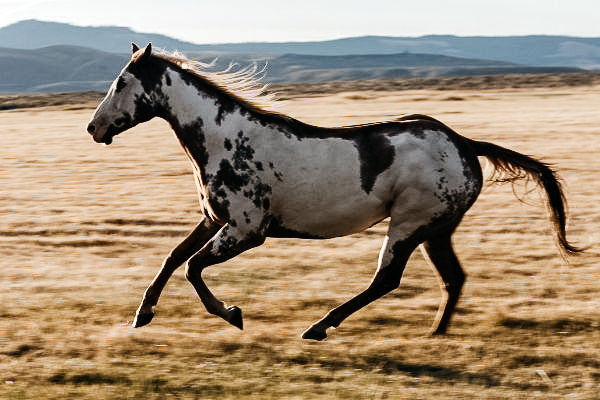
Common Hoof Problems and Natural Solutions
Even with the best care, horses can develop hoof issues. Recognizing early signs and responding with gentle, natural remedies is key.
Thrush
This bacterial infection thrives in wet, dirty conditions. Keep hooves clean and dry, and use natural antiseptics like diluted apple cider vinegar to treat affected areas.
Cracks and Chips
Regular trims and a balanced diet help prevent cracks. For minor chips, smooth edges with a rasp. For deeper cracks, consult a hoof care professional.
White Line Disease
This fungal or bacterial infection affects the inner hoof wall. Remove affected material and apply natural antifungal treatments as recommended by your farrier.
Working with Professionals for Optimal Results
While many aspects of natural hoof care for horses can be managed by owners, partnering with a knowledgeable farrier or trimmer is essential. Look for professionals experienced in barefoot and holistic methods. Regular consultations help ensure your horse’s hooves remain balanced and healthy.
Additionally, veterinarians can assist with diagnosing underlying health conditions that may impact hoof quality, such as metabolic disorders or infections.
Integrating Natural Hoof Care into Your Horse’s Routine
Adopting a holistic approach to hoof health means considering the horse as a whole. Combine regular movement, a supportive diet, clean living conditions, and gentle trimming for the best results. Monitor your horse’s hooves closely and adjust your routine as needed based on seasonal changes, workload, and individual needs.
Frequently Asked Questions
How often should I trim my horse’s hooves when following a natural approach?
Most horses benefit from trims every 4–6 weeks, but the ideal schedule depends on your horse’s activity level, environment, and hoof growth rate. Regular observation and consultation with a hoof care professional will help determine the best interval.
Can all horses go barefoot, or do some require shoes?
Many horses thrive barefoot with proper care and conditioning. However, some may need temporary protection, such as hoof boots, during transitions or if they have specific medical needs. Always assess your horse’s comfort and consult with your farrier or veterinarian.
What are the signs of a healthy hoof?
A healthy hoof is strong, with a smooth wall, tight white line, and a concave sole. There should be no foul odor, excessive cracks, or heat. The frog should be firm and well-developed, and your horse should move comfortably on various surfaces.