
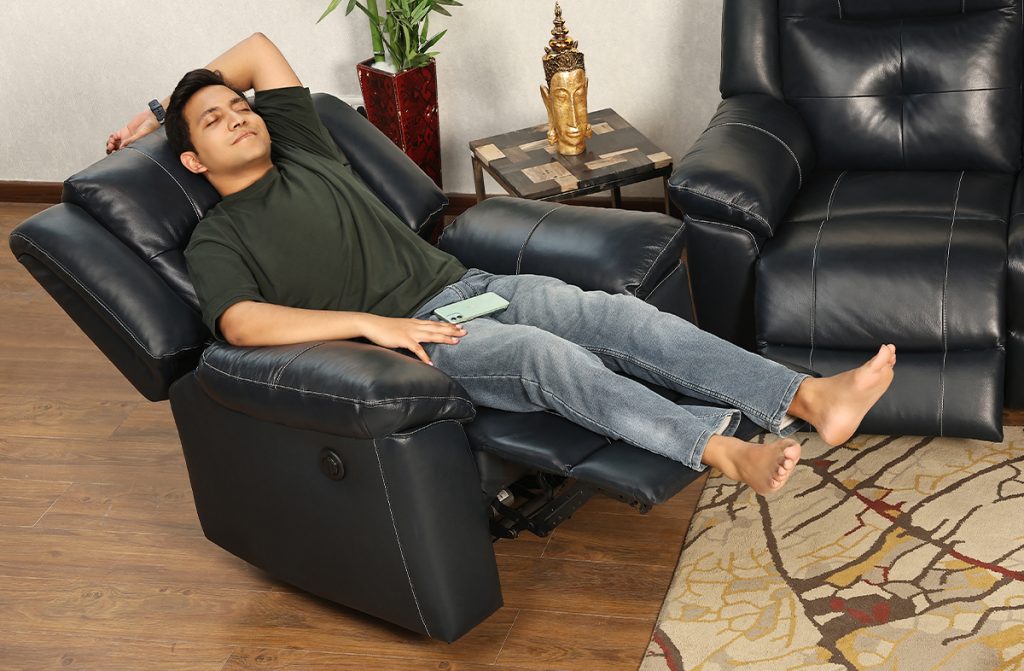
Recliners offer comfort and support, especially for seniors who may spend extended periods seated. However, spills are inevitable, whether from drinks, food, or medications. Knowing how to clean a recliner after a spill is essential for maintaining hygiene, preventing stains, and ensuring the chair remains a safe and pleasant place to relax. This guide provides step-by-step instructions, tailored tips for different recliner materials, and practical advice to help caregivers and seniors handle accidents with confidence.
Proper cleaning not only preserves the appearance of the furniture but also helps prevent odors and bacteria buildup. For those interested in the broader benefits of comfortable seating for older adults, you might find this overview of how recliners support senior health helpful.
Immediate Steps to Take After a Spill
Acting quickly is the most important part of cleaning a recliner after a spill. The longer a liquid sits, the more likely it is to cause permanent staining or damage. Here’s what to do right away:
- Blot, Don’t Rub: Use a clean, absorbent cloth or paper towel to blot up as much of the spill as possible. Press gently to soak up the liquid, but avoid rubbing, which can push the spill deeper into the fabric or upholstery.
- Remove Excess: If the spill is thick (like soup or pudding), gently scoop up the excess with a spoon or dull knife before blotting.
- Check for Tags: Look for the manufacturer’s cleaning instructions, often found on a tag under the seat or cushion. This will tell you which cleaning methods and products are safe for your recliner’s material.
Cleaning Different Recliner Materials
Not all recliners are made the same. The cleaning process varies depending on whether your chair is upholstered in fabric, leather, or synthetic materials. Understanding your recliner’s surface is key to effective and safe cleaning.
Fabric Upholstery
Fabric recliners are common and comfortable but can absorb spills quickly. Here’s how to handle them:
- Water-Based Spills: Mix a small amount of mild dish soap with cool water. Dampen a cloth in the solution and gently blot the stained area. Rinse with a clean, damp cloth and blot dry with a towel.
- Stubborn Stains: For tougher stains, use a fabric-safe upholstery cleaner. Always test on a hidden area first to ensure it doesn’t discolor the fabric.
- Dry Thoroughly: Allow the area to air dry completely before using the recliner again. Avoid direct heat, which can damage the fabric.
Leather Recliners
Leather is durable and resists spills better than fabric, but it still requires careful attention:
- Wipe Up Quickly: Use a soft, dry cloth to absorb the spill. For sticky residues, dampen the cloth slightly with water.
- Avoid Harsh Cleaners: Do not use bleach, ammonia, or abrasive products. Instead, use a leather cleaner or a solution of mild soap and water.
- Condition Regularly: After cleaning, apply a leather conditioner to keep the material supple and prevent cracking.
Synthetic and Microfiber Surfaces
Many modern recliners use synthetic fabrics or microfiber, which are designed to be stain-resistant but still need prompt care:
- Blot Excess Liquid: As with other materials, remove as much liquid as possible right away.
- Use Appropriate Cleaners: Microfiber can often be cleaned with rubbing alcohol sprayed lightly onto the stain, then blotted with a clean cloth. For synthetic blends, follow the manufacturer’s instructions.
- Brush to Restore Texture: Once dry, use a soft brush to fluff up the fibers and restore the recliner’s appearance.

Special Considerations for Senior Care
When caring for older adults, cleanliness and safety are top priorities. Recliners used by seniors may be exposed to spills from food, beverages, or medications. Here are additional tips to keep in mind:
- Use Protective Covers: Waterproof or washable slipcovers can make cleanup easier and protect the chair from frequent accidents.
- Choose Gentle Cleaners: Avoid strong chemicals that could leave residues or odors, as these may irritate sensitive skin or airways.
- Maintain a Cleaning Routine: Regularly vacuum and wipe down the recliner to prevent dust, crumbs, and allergens from accumulating.
- Monitor for Mold or Mildew: If a spill soaks into the padding and isn’t dried thoroughly, it can lead to mold growth. If you notice a musty smell, consult a professional cleaner.
Preventing Future Spills and Stains
While accidents can’t always be avoided, there are steps you can take to minimize the risk and make cleaning easier:
- Keep Drinks and Food on Trays: Encourage the use of stable trays or tables next to the recliner to prevent accidental tipping.
- Install Armrest Organizers: These handy accessories can hold remotes, snacks, and drinks securely.
- Apply Fabric Protector: Products like Scotchgard can add a protective layer to fabric recliners, making spills bead up for easier cleanup.
- Educate Caregivers: Make sure everyone involved in senior care knows the right steps for cleaning up recliner spills quickly and safely.

When to Seek Professional Cleaning
Some spills—such as those involving bodily fluids, strong dyes, or large volumes—may require professional attention. If you’re unable to remove a stain, or if the recliner develops a persistent odor, contact an upholstery cleaning service. This is especially important in senior care settings, where hygiene is critical for health and comfort.
Professional cleaners have the tools and expertise to deep-clean recliners without damaging delicate materials or internal mechanisms. Regular deep cleaning can also extend the life of the chair and maintain a pleasant environment for seniors.
Frequently Asked Questions
What should I do if I don’t know the recliner’s upholstery type?
If you’re unsure about the material, check for a manufacturer’s tag under the seat or cushion. When in doubt, start with the gentlest cleaning method—blotting with water and a mild soap. Avoid harsh chemicals until you confirm what’s safe for your chair.
Can I use household cleaners like vinegar or baking soda on my recliner?
While vinegar and baking soda are popular for general cleaning, they may not be suitable for all recliner materials. Leather and some synthetic fabrics can be damaged by acidic or abrasive substances. Always test a small, hidden area first, and follow the manufacturer’s recommendations.
How often should I clean my recliner to keep it in good condition?
For recliners used daily, especially in senior care, wipe down surfaces weekly and vacuum crevices to remove crumbs and dust. Address spills immediately, and consider a professional cleaning every 6–12 months for deep sanitation.
Is it safe to use a steam cleaner on my recliner?
Steam cleaning can be effective for some fabric recliners, but it’s not suitable for leather or certain synthetics. Check the care label and manufacturer’s instructions before using steam, as excessive moisture can damage padding and internal components.
Conclusion
Responding promptly and using the right cleaning methods can make a significant difference in preserving a recliner’s comfort and appearance. For seniors, a clean and well-maintained chair is more than just a piece of furniture—it’s a source of daily comfort and support. By following these steps and tips, caregivers and family members can ensure that spills are handled efficiently, keeping the recliner fresh, hygienic, and inviting for years to come.