
Keeping your horse’s hooves clean is a fundamental part of equine care. Regular hoof cleaning not only prevents discomfort and lameness but also helps you spot early signs of infection or injury. Whether you’re a new horse owner or an experienced handler, understanding how to clean horse hooves properly ensures your animal’s comfort and long-term health.
This guide covers the essential steps, recommended tools, safety tips, and common mistakes to avoid when maintaining your horse’s hooves. You’ll also find practical advice on integrating hoof care into your grooming routine and links to trusted resources for further reading, such as the Humane World horse care guidelines.
Why Regular Hoof Cleaning Matters
Hoof care is more than just a grooming step—it’s a cornerstone of equine health. Dirt, manure, stones, and debris can become lodged in the hoof, leading to discomfort, bruising, or even infections like thrush. By cleaning hooves daily or after every ride, you reduce the risk of these issues and help your horse stay sound and comfortable.
Frequent cleaning also allows you to check for cracks, punctures, or signs of disease. Early detection is key to preventing minor problems from becoming serious. For those new to horse care, learning the correct hoof cleaning techniques will help you build a strong foundation for your animal’s well-being.
Essential Tools for Cleaning Hooves
Before you begin, gather the right tools. The basic equipment includes:
- Hoof pick: The primary tool for removing dirt and debris from the sole and frog.
- Stiff brush: Useful for brushing away loose dirt after picking.
- Gloves: Optional, but can protect your hands from dirt and sharp objects.
- Hoof oil or conditioner: Not required for cleaning, but can be applied afterward for extra care.
Having these items on hand makes the process smoother and safer for both you and your horse.
Step-by-Step Guide to Safe Hoof Cleaning
Follow these steps to ensure a safe and effective hoof cleaning session:
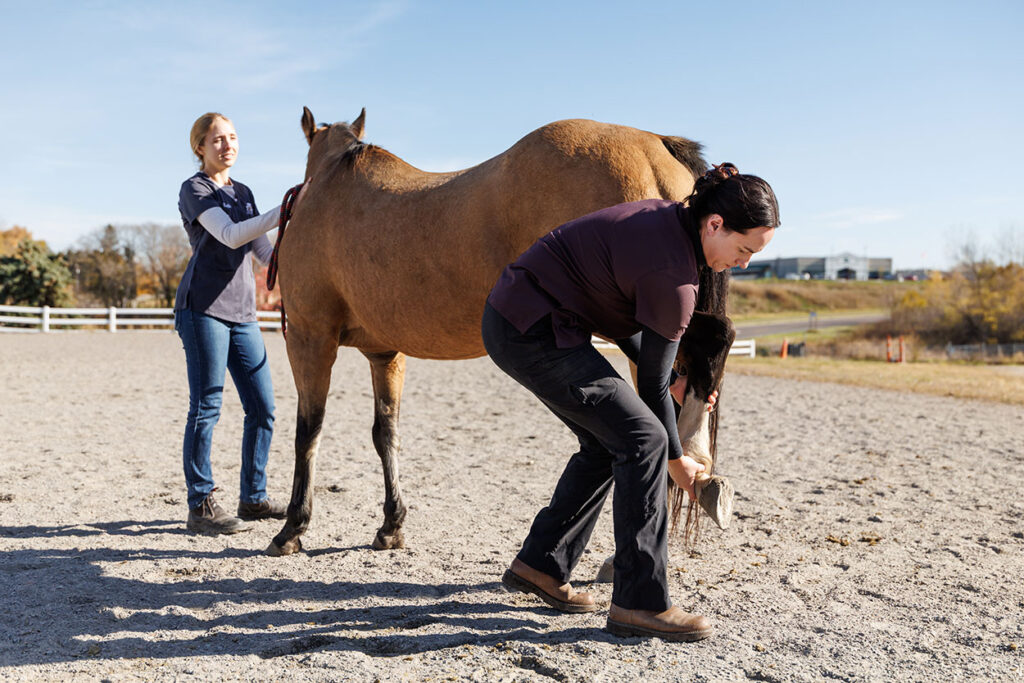
- Secure your horse. Always tie your horse using a quick-release knot or have someone hold them. Make sure the area is calm and free from distractions.
- Stand in the correct position. Stand beside your horse, facing the tail for hind hooves or the head for front hooves. Keep your body close but not directly behind or in front of the leg.
- Ask for the hoof. Run your hand down the horse’s leg and gently squeeze the fetlock. Most horses will lift their hoof in response. Support the hoof with your hand.
- Pick out debris. Using the hoof pick, start at the heel and work toward the toe, carefully removing dirt, stones, and manure. Be gentle around the frog (the V-shaped area in the center), as it’s sensitive.
- Brush the sole. After picking, use a stiff brush to remove any remaining dust or loose debris.
- Inspect the hoof. Look for cracks, punctures, foul odor, or signs of thrush. If anything looks unusual, consult your farrier or veterinarian.
- Lower the hoof gently. Don’t drop the hoof—guide it back to the ground to avoid startling your horse.
Repeat these steps for each hoof, working methodically and calmly. With practice, the process will become second nature.
Tips for Success and Safety
Cleaning hooves is straightforward, but a few tips can make the experience safer and more pleasant:
- Stay alert: Horses can shift their weight or become startled. Always be aware of your surroundings and your horse’s body language.
- Use the right tools: A sturdy hoof pick with a comfortable grip reduces hand fatigue and improves control.
- Be gentle: Avoid digging too deeply or scraping the frog. If your horse is sensitive, take extra care and work slowly.
- Reward your horse: Positive reinforcement helps your horse associate hoof cleaning with a pleasant experience.
Common Mistakes to Avoid When Caring for Hooves
Even experienced handlers can make errors during hoof care. Here are some pitfalls to watch out for:
- Neglecting daily checks: Skipping regular cleaning increases the risk of infection and injury.
- Using dull or broken tools: Ineffective tools can make the job harder and less safe.
- Ignoring signs of discomfort: If your horse resists or seems sore, investigate further rather than forcing the issue.
- Being too aggressive: Overly forceful cleaning can damage sensitive structures in the hoof.
By avoiding these mistakes and following best practices, you’ll help your horse stay healthy and comfortable.
Integrating Hoof Cleaning Into Your Grooming Routine
Making hoof care a regular part of your grooming schedule is the best way to ensure consistency. Many horse owners clean hooves before and after riding, as well as during daily turnout checks. This routine helps you spot new issues quickly and keeps your horse’s feet in top condition.
Pairing hoof cleaning with other grooming tasks—such as brushing the coat or checking for injuries—creates a thorough care regimen. If you’re looking for more structured guidance, the Humane World horse care guidelines offer comprehensive advice on all aspects of equine management.
Frequently Asked Questions
How often should I clean my horse’s hooves?
Ideally, hooves should be cleaned daily, especially if your horse is stabled or turned out in muddy conditions. At a minimum, always clean hooves before and after riding to remove debris and check for injuries.
What are the signs of a hoof problem?
Watch for foul odor, black discharge, heat, swelling, cracks, or signs of pain when picking up the hoof. These may indicate thrush, abscesses, or other issues that require attention from a farrier or veterinarian.
Can I use water to clean hooves?
While a damp brush can help remove stubborn dirt, avoid soaking hooves unless necessary. Excess moisture can soften the hoof and increase the risk of infection. Stick to a hoof pick and brush for routine cleaning.
What should I do if my horse won’t pick up its feet?
Patience is key. Use gentle pressure on the fetlock and reward your horse when it responds. If your horse is resistant or fearful, consult a trainer or experienced handler for help with desensitization and training.
Conclusion
Proper hoof care is essential for every horse’s health and comfort. By learning how to clean horse hooves safely and effectively, you’ll prevent common problems and build a stronger bond with your animal. Remember to use the right tools, stay attentive, and make hoof cleaning a regular part of your routine. For more detailed care instructions, refer to trusted resources like the Humane World horse care guidelines.