

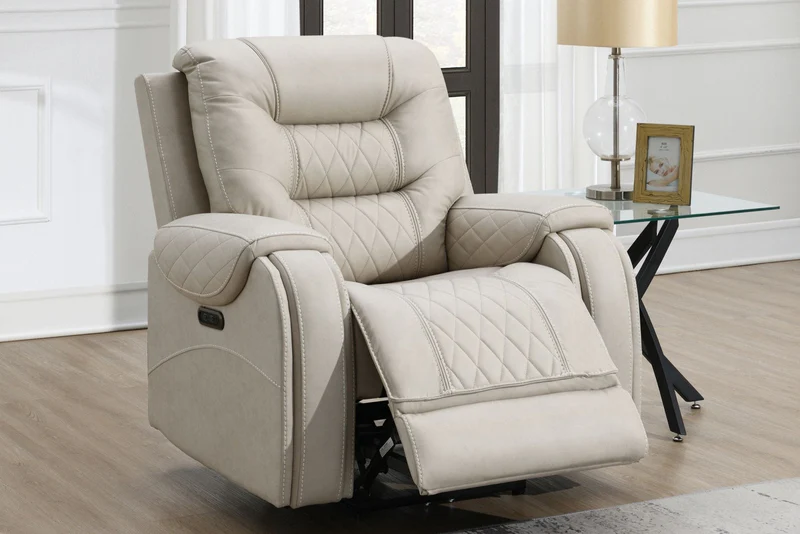
Microfiber recliners are popular for their comfort, durability, and stylish appearance. However, keeping them looking fresh requires the right cleaning approach. Understanding how to clean microfiber recliner chairs not only preserves their appearance but also extends their lifespan. With a few simple steps and the right products, you can easily maintain your favorite seat and keep it looking its best for years to come.
Whether you’re dealing with everyday dust, accidental spills, or stubborn stains, this guide covers practical techniques for routine care and deep cleaning. We’ll also highlight common mistakes to avoid and answer frequently asked questions, so you can confidently care for your microfiber furniture.
For those considering an upgrade or comparing recliner types, you may find this detailed comparison of manual and power recliners helpful before making a decision.
Understanding Microfiber Recliner Upholstery
Microfiber is a synthetic fabric made from tightly woven fibers, typically polyester or a polyester-nylon blend. Its dense construction makes it resistant to stains and easy to maintain, which is why it’s a popular choice for recliner chairs. The fabric’s soft texture offers comfort, while its durability stands up well to daily use.
However, microfiber can attract dust, pet hair, and absorb spills if not cleaned properly. Knowing the right cleaning methods helps prevent watermarks, discoloration, and fabric damage.
Routine Maintenance for Microfiber Recliners
Regular upkeep is key to keeping your chair in top shape. Here are some essential steps for everyday care:
- Vacuum Weekly: Use a vacuum with a soft brush attachment to remove dust, crumbs, and pet hair from the surface and crevices.
- Brush the Fabric: A soft-bristled brush can help lift the fibers and restore the chair’s plush look.
- Spot Clean Spills Quickly: Blot (don’t rub) any liquid spills with a clean, dry cloth as soon as they occur to prevent stains from setting in.

Step-by-Step Guide to Deep Cleaning Microfiber Recliner Chairs
Occasionally, your recliner will need a more thorough cleaning. Follow these steps to tackle deeper dirt and stains without damaging the fabric:
-
Check the Care Tag:
Look for the manufacturer’s cleaning code, usually found under the seat or on a tag. The codes are:
- W: Use water-based cleaners.
- S: Use solvent-based cleaners only.
- S-W: Both water- and solvent-based cleaners are safe.
- X: Vacuum only; no liquids.
-
Gather Supplies:
- Vacuum cleaner with brush attachment
- White cloths or sponges
- Appropriate cleaner (mild soap solution or rubbing alcohol, depending on code)
- Soft-bristled brush
- Spray bottle (for even application)
-
Vacuum Thoroughly:
Remove loose dirt and debris from the entire chair, including seams and crevices.
-
Test Cleaner on a Hidden Area:
Before applying any solution, test it on an inconspicuous spot to check for colorfastness or fabric reaction.
-
Apply Cleaning Solution:
For water-safe fabrics, lightly mist the area with a diluted soap solution. For solvent-safe microfiber, use rubbing alcohol in a spray bottle. Avoid soaking the fabric.
-
Blot and Gently Scrub:
Blot the area with a clean, white cloth. For stubborn spots, gently rub with a soft brush in a circular motion.
-
Let Dry Completely:
Allow the chair to air dry. Open windows or use a fan for faster drying. Once dry, brush the fabric to restore its texture.
Removing Common Stains from Microfiber Recliners
Different stains require specific approaches. Here’s how to handle some of the most frequent offenders:
-
Food and Beverage Spills:
Blot up as much liquid as possible. Clean with a mild soap solution or rubbing alcohol, depending on the care code. Repeat if necessary.
-
Grease and Oil:
Sprinkle a small amount of baking soda on the stain to absorb oil. Let it sit for 15 minutes, then vacuum and treat with a solvent-based cleaner if allowed.
-
Ink or Marker:
Dab the spot with rubbing alcohol on a cloth. Avoid rubbing, which can spread the stain. Repeat until the mark fades.
-
Pet Accidents:
Blot up as much as possible, then clean with an enzyme-based cleaner if safe for microfiber, or a mild soap solution. Allow to dry thoroughly.
Tips to Prevent Stains and Prolong Your Recliner’s Life
- Use Removable Covers: Slipcovers or throws can protect the chair from spills and pet hair.
- Keep Food and Drinks Away: Avoid eating or drinking on the recliner to reduce the risk of stains.
- Address Spills Immediately: The faster you act, the less likely a stain will set.
- Rotate Cushions: If your recliner has removable cushions, rotate them regularly for even wear.
- Maintain a Cleaning Schedule: Regular vacuuming and spot cleaning prevent buildup and keep your chair looking new.
Common Mistakes to Avoid When Caring for Microfiber Recliners
- Over-wetting the Fabric: Excess moisture can leave watermarks and damage the fibers.
- Using Harsh Chemicals: Bleach, ammonia, or abrasive cleaners can discolor or weaken microfiber.
- Skipping the Care Tag: Always check the manufacturer’s instructions before applying any cleaning solution.
- Rubbing Stains Aggressively: This can push stains deeper and damage the fabric’s texture.
- Neglecting Regular Maintenance: Waiting too long between cleanings makes stains and dirt harder to remove.
Frequently Asked Questions
Can I Use a Steam Cleaner on Microfiber Recliners?
It depends on the manufacturer’s recommendations. Some microfiber fabrics tolerate steam cleaning, while others may shrink or become damaged. Always check the care tag before using steam. If in doubt, stick to vacuuming and spot cleaning.
What’s the Best Way to Remove Odors from Microfiber?
Sprinkle baking soda over the chair and let it sit for 15–30 minutes to absorb odors. Vacuum thoroughly afterward. For persistent smells, use a fabric-safe deodorizing spray or a mild soap solution, ensuring the chair dries completely.
How Often Should I Clean My Microfiber Recliner?
Vacuuming once a week and spot cleaning as needed is usually sufficient for routine care. Deep cleaning can be done every few months or as soon as you notice stains or dirt buildup.
Is It Safe to Use Vinegar on Microfiber?
Vinegar can be used in small amounts for water-safe microfiber, but always dilute it and test on a hidden area first. Avoid using vinegar on solvent-only fabrics, as it may cause discoloration or damage.
Conclusion
Proper care and cleaning ensure your microfiber recliner remains comfortable and attractive for years. By following these maintenance tips and using the right techniques, you can handle everyday messes and tough stains with confidence. Remember to check the care tag, use gentle products, and address spills promptly for the best results. With a little attention, your favorite chair will stay inviting and fresh, ready for relaxation whenever you need it.