
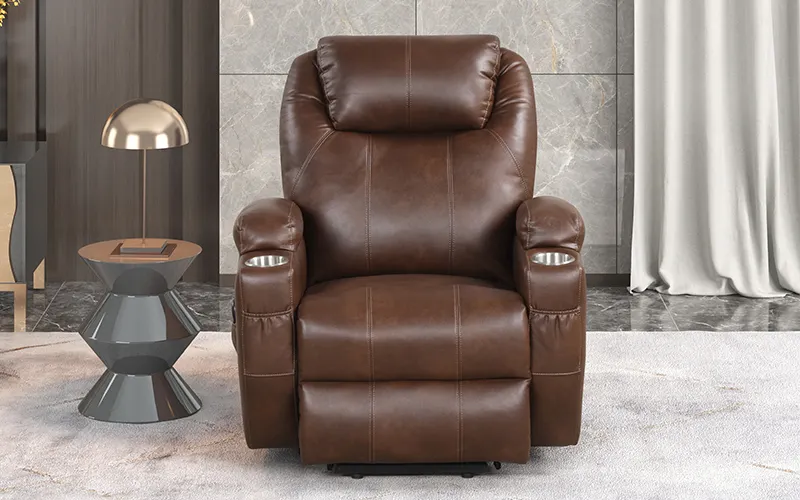
Recliners offer comfort and convenience, but a malfunctioning footrest can quickly turn relaxation into frustration. If your chair’s footrest refuses to close properly, you’re not alone—this is a common issue with both manual and power recliners. Understanding the causes and solutions can help you restore your seat to its full functionality without needing to call a professional right away.
This guide will walk you through practical steps for diagnosing and resolving problems with a stubborn or stuck footrest. Whether you’re dealing with a jammed mechanism, worn springs, or alignment issues, you’ll find clear instructions for getting your recliner back in working order. For those interested in the broader benefits and drawbacks of these chairs, you can also explore the pros and cons of recliner chairs for elderly people.
Common Reasons a Recliner Footrest Won’t Close
Before attempting repairs, it’s important to identify why the footrest isn’t functioning as expected. Here are some of the most frequent causes:
- Obstructed mechanism: Objects or debris can block the moving parts under the chair.
- Worn or broken springs: Springs provide the tension needed for smooth operation and can weaken over time.
- Misaligned or bent frame: The metal frame supporting the footrest may become bent or misaligned, preventing closure.
- Loose or damaged cables: In manual recliners, cables connect the handle to the footrest mechanism and can fray or snap.
- Faulty motor or electrical issues: For power recliners, electrical faults or a failing motor can disrupt movement.
Pinpointing the source of the problem is the first step toward a successful fix.
Step-by-Step Guide to Repairing a Recliner Footrest
Follow these steps to address the most common issues with a footrest that won’t close. Always unplug power recliners before starting any repair work.
1. Inspect for Obstructions and Debris
Turn the chair over or tilt it back to access the underside. Look for any foreign objects, such as coins, pens, or small toys, that may be wedged in the mechanism. Remove any debris carefully. Even a small obstruction can prevent the footrest from closing fully.
2. Tighten Loose Screws and Bolts
Using a screwdriver or wrench, check all visible screws and bolts on the footrest mechanism. Over time, these can loosen, causing misalignment and preventing the footrest from closing. Tighten any loose hardware, but avoid overtightening, which could strip the threads or damage the frame.
3. Examine and Replace Worn Springs
Springs are vital for the smooth movement of the footrest. If you notice any springs that are stretched, broken, or missing, they will need to be replaced. Springs can usually be purchased from furniture or hardware stores. Carefully remove the old spring and attach the new one, ensuring it is securely fastened at both ends.
4. Check and Adjust the Frame Alignment
If the footrest appears crooked or uneven, the frame may be bent. Gently straighten any bent metal parts using pliers or a rubber mallet. Be cautious not to apply excessive force, as this could cause further damage. Once realigned, test the footrest to see if it closes smoothly.

5. Repair or Replace Manual Recliner Cables
Manual recliners use a cable system to operate the footrest. If the handle feels loose or the footrest doesn’t respond, the cable may be frayed or snapped. To replace it:
- Remove the handle and locate the cable connection inside the chair.
- Detach the damaged cable from both the handle and the mechanism.
- Install the new cable, making sure it is routed correctly and securely attached.
- Test the handle and footrest operation before reassembling the chair.
6. Troubleshoot Power Recliner Issues
For electric models, check the power supply and ensure all connections are secure. If the motor is unresponsive, listen for any unusual noises or signs of strain. Sometimes, resetting the chair by unplugging it for a few minutes can resolve minor electrical glitches. If problems persist, the motor or control box may need professional servicing or replacement.
Preventative Maintenance for Recliner Footrests
Regular care can help avoid future problems with your recliner’s footrest. Here are some maintenance tips:
- Keep the mechanism clean: Vacuum under and around the chair to prevent debris buildup.
- Lubricate moving parts: Apply a silicone-based lubricant to hinges and joints every few months.
- Check hardware regularly: Inspect and tighten screws, bolts, and springs as needed.
- Avoid overloading: Don’t use the footrest as a step or place heavy objects on it.
With these simple steps, you can extend the life of your recliner and reduce the likelihood of future issues.
When to Call a Professional
If you’ve tried the above solutions and the footrest still won’t close, or if you notice significant structural damage, it may be time to seek expert help. Some repairs—especially those involving electrical components or major frame damage—are best left to qualified technicians. Attempting complex fixes without the right tools or experience can lead to further problems or even void your warranty.
Frequently Asked Questions
What tools do I need to repair a recliner footrest?
Basic tools such as a screwdriver, wrench, pliers, and possibly a rubber mallet are usually sufficient for most repairs. For replacing springs or cables, you may also need replacement parts specific to your recliner model.
Can I fix a power recliner footrest myself?
Many minor issues, like loose connections or simple resets, can be handled at home. However, if the motor or electrical system is faulty, it’s safer to consult a professional to avoid electrical hazards or further damage.
How can I prevent my recliner footrest from getting stuck in the future?
Regular cleaning, lubricating moving parts, and checking for loose hardware are the best ways to keep your footrest operating smoothly. Avoid forcing the mechanism or placing excessive weight on the footrest.
Is it worth repairing an old recliner, or should I replace it?
If your chair is structurally sound and the issue is minor, repairs are usually cost-effective. However, if multiple components are failing or the frame is damaged, investing in a new recliner may be the better long-term solution.
By following these steps and tips, you can often resolve issues with a recliner footrest that won’t close and restore comfort to your living space. Regular maintenance and prompt attention to minor problems will help ensure your chair remains a reliable spot for relaxation.