
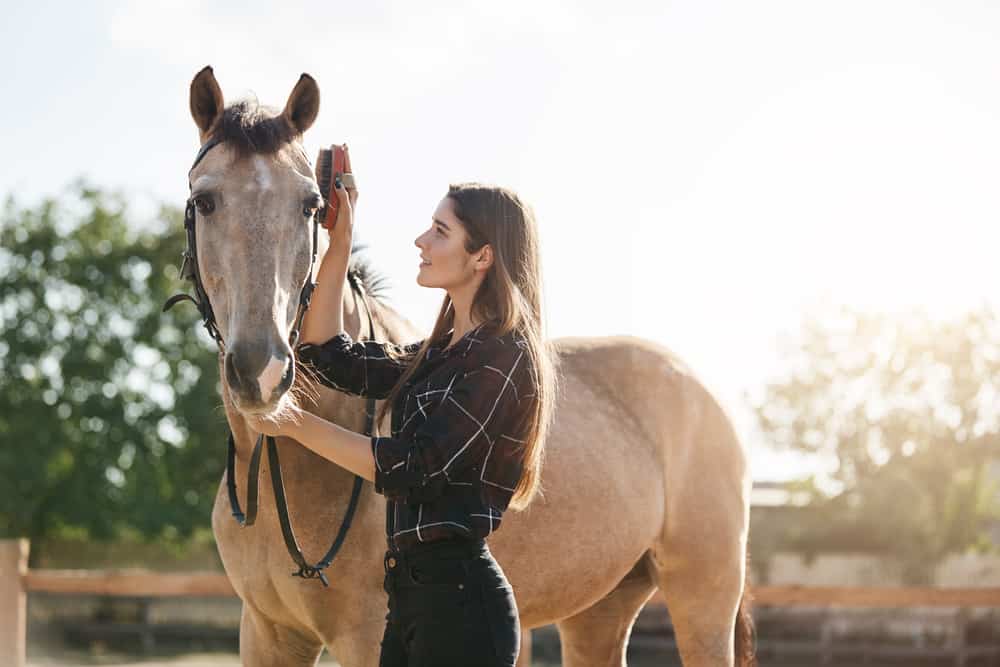
Keeping your horse in optimal shape throughout the year requires a thoughtful approach that adapts to changing weather, daylight, and pasture conditions. Maintaining horse fitness year round is essential for your animal’s health, performance, and overall well-being. Whether you’re preparing for competition, trail riding, or simply ensuring your horse stays healthy and happy, understanding how to adjust routines for each season is key.
From adjusting exercise regimens in the heat of summer to managing turnout and nutrition during winter, this guide covers practical strategies to support your horse’s condition every month. Early planning and regular evaluation help prevent injuries, maintain muscle tone, and support mental health. For more on feeding routines that complement fitness, see our horse feeding schedule for optimum health.
Why Consistent Conditioning Matters
Horses are natural athletes, but their fitness can decline quickly without regular work. Periods of inactivity—whether due to harsh weather, busy schedules, or pasture rest—can lead to muscle loss, decreased stamina, and even behavioral issues. By making year-round horse fitness a priority, you reduce the risk of injury when returning to more intense activity and help your horse maintain a healthy weight and strong immune system.
Consistent exercise also supports joint health, digestion, and cardiovascular function. Horses that are kept active throughout the year tend to have better attitudes, fewer metabolic issues, and are more prepared for events or changes in workload.
Spring: Building Back After Winter
As days lengthen and temperatures rise, spring is the perfect time to gradually increase your horse’s workload. Many horses have reduced exercise during winter, so it’s important to reintroduce activity slowly to avoid strains or injuries.
- Start with groundwork and light lunging to assess fitness and flexibility.
- Increase turnout time as pastures become available, but monitor for overgrazing and sudden dietary changes.
- Gradually add ridden work, focusing on walking and trotting before introducing canter or jumping.
- Monitor hooves for signs of thrush or abscesses as wet conditions persist.
Spring is also a good time for a veterinary check-up and dental care to ensure your horse is ready for increased activity.
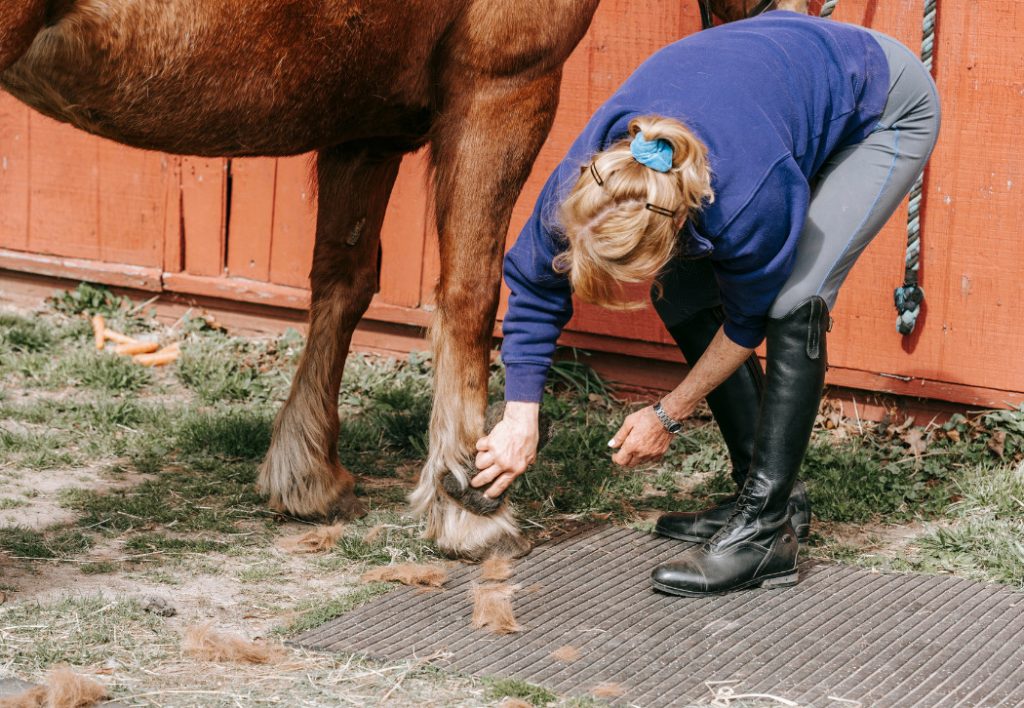
Summer: Managing Heat and Maximizing Fitness
With longer days and warmer weather, summer offers excellent opportunities for conditioning, but it also brings challenges. High temperatures and humidity can cause dehydration, heat stress, and fatigue. To keep your horse in top shape:
- Exercise during cooler parts of the day—early morning or late evening.
- Provide ample fresh water and shade at all times.
- Incorporate interval training and hill work to build strength and stamina.
- Monitor for signs of overheating: excessive sweating, rapid breathing, or lethargy.
- Use fly protection and regularly check for ticks and skin irritations.
Summer is also a great time to vary your horse’s routine with trail rides, swimming, or groundwork to keep them mentally engaged.
Fall: Transitioning and Preparing for Cooler Weather
As temperatures drop and daylight shortens, it’s important to adjust your horse’s fitness plan. Fall is a transitional season—horses may still be active, but you’ll need to prepare for winter’s challenges.
- Gradually reduce intensity if your horse will have less work in winter.
- Monitor weight closely, as pasture quality declines and caloric needs may change.
- Continue regular grooming to manage shedding and check for skin issues.
- Prepare shelters and blankets for colder nights if needed.
Maintaining a consistent exercise schedule during fall helps your horse enter winter in good condition, making it easier to maintain muscle and avoid weight gain or loss.
Winter: Keeping Horses Active in Cold Months
Winter often brings reduced turnout, icy footing, and limited daylight, making it challenging to keep horses fit. However, with some adjustments, you can maintain your horse’s condition even when the weather isn’t ideal.
- Short, frequent sessions of groundwork or hand-walking can maintain muscle tone and flexibility.
- Use indoor arenas or safe, dry areas for exercise when possible.
- Increase warm-up and cool-down times to prevent muscle stiffness.
- Monitor hydration—horses may drink less in cold weather, increasing colic risk.
- Adjust feed to match activity level and maintain healthy body condition.
Regular grooming is essential in winter to check for skin conditions hidden by thick coats and to promote circulation.
Nutrition and Hydration Throughout the Year
Supporting horse fitness in every season isn’t just about exercise. Nutrition and hydration play a vital role in maintaining muscle, energy, and overall health. Adjust your horse’s feed based on workload, pasture availability, and body condition. In winter, forage is especially important for warmth and digestion, while in summer, salt blocks and electrolytes can help replace minerals lost through sweat.
For a more detailed breakdown of feeding routines, refer to our horse feeding schedule for tips on timing and portion sizes.
Grooming and Preventive Care for Year-Round Fitness
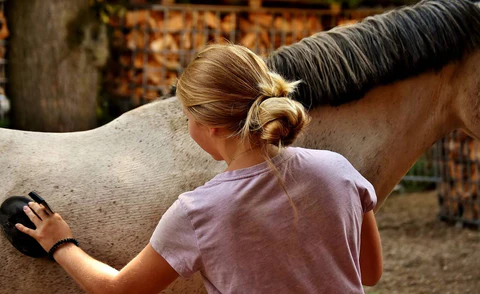
Regular grooming is more than just keeping your horse clean—it’s an opportunity to check for injuries, skin conditions, and changes in muscle tone. Use grooming sessions to assess your horse’s overall health, spot early signs of discomfort, and build a stronger bond.
Preventive care, including vaccinations, dental checks, and farrier visits, should be scheduled throughout the year. For those new to equine care, this beginner’s guide to horse care offers a comprehensive overview of essential routines and best practices.
Common Mistakes in Year-Round Conditioning
Even experienced owners can make errors when trying to keep their horses fit all year. Some common pitfalls include:
- Increasing workload too quickly after a period of rest, leading to strains or injuries.
- Neglecting hydration in winter, which can cause digestive issues.
- Failing to adjust feed as activity levels change, resulting in weight gain or loss.
- Overlooking the importance of mental stimulation during periods of reduced exercise.
By staying attentive and flexible, you can avoid these issues and keep your horse in peak condition.
FAQ: Seasonal Horse Fitness
How can I safely bring my horse back into work after winter?
Start with groundwork and light exercise, gradually increasing intensity over several weeks. Monitor your horse for soreness or fatigue, and allow plenty of time for warm-up and cool-down. Regularly check hooves and joints for signs of stress.
What are signs my horse is overheating during summer exercise?
Watch for heavy sweating, rapid breathing, muscle tremors, or reluctance to move. If you notice these symptoms, stop exercise immediately, move your horse to shade, and offer cool water. If symptoms persist, contact your veterinarian.
How do I keep my horse fit when turnout is limited in winter?
Use indoor arenas or safe, dry areas for short exercise sessions. Groundwork, hand-walking, and pole work can help maintain muscle and flexibility. Adjust feed to match reduced activity and provide mental stimulation with toys or varied routines.
Maintaining your horse’s fitness through every season takes planning, observation, and flexibility. By adapting routines to the weather, monitoring nutrition, and staying proactive with preventive care, you’ll help your horse thrive all year long.