
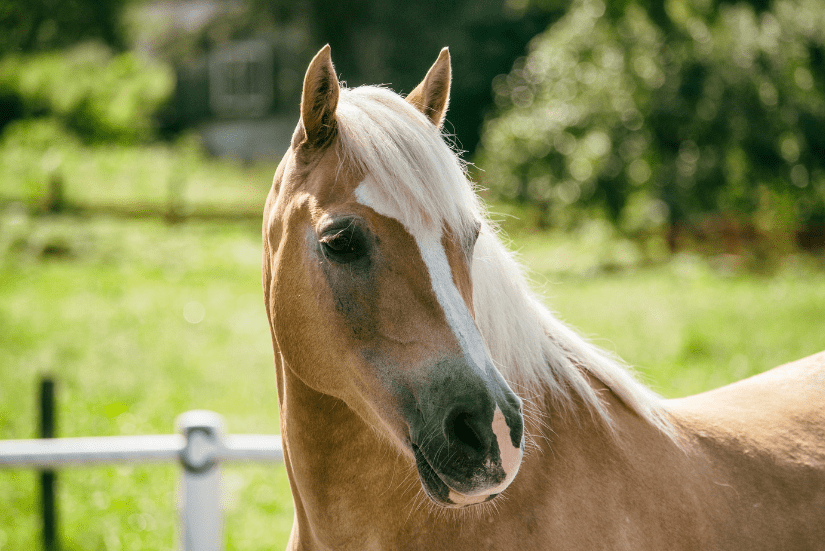
Sweet itch, a common condition affecting horses, can cause significant discomfort and distress. This condition, also known as summer eczema, is primarily caused by an allergic reaction to the bites of midges. Finding a natural treatment for sweet itch can help alleviate symptoms and improve the quality of life for affected horses. This guide explores various natural remedies and management strategies to provide relief.
For more insights on horse care, you can explore these horse care tips and tricks which offer practical advice.
Understanding the Causes and Symptoms
Sweet itch is triggered by the saliva of biting insects, particularly the Culicoides midge. Horses with this condition often experience intense itching, leading to excessive scratching, hair loss, and skin damage. Recognizing the symptoms early can help in managing the condition effectively. Common signs include:
- Persistent itching and rubbing against surfaces
- Hair loss, especially around the mane and tail
- Thickened or inflamed skin
- Open sores or scabs
Natural Remedies to Soothe Sweet Itch
Several natural treatments for sweet itch can help soothe your horse’s discomfort. These remedies focus on reducing inflammation, repelling insects, and promoting skin healing.
Herbal Solutions
Herbs like chamomile and calendula have anti-inflammatory properties that can help soothe irritated skin. Applying a herbal rinse or salve can provide relief. Additionally, garlic supplements may help repel biting insects due to their strong odor.
Essential Oils
Essential oils such as lavender and tea tree oil are known for their soothing and antiseptic properties. Dilute these oils with a carrier oil and apply them to the affected areas to reduce itching and prevent infection.
Dietary Adjustments
Improving your horse’s diet can also play a role in managing sweet itch. Omega-3 fatty acids, found in flaxseed and fish oil, can help reduce inflammation and improve skin health. Ensuring a balanced diet with adequate vitamins and minerals supports overall well-being.
Preventive Measures to Consider
Prevention is key in managing sweet itch. Implementing a few strategic measures can significantly reduce the risk of flare-ups:
- Stable Management: Keeping your horse indoors during peak midge activity times, such as dawn and dusk, can minimize exposure.
- Protective Gear: Using fly sheets and masks can provide a physical barrier against biting insects.
- Environmental Control: Reducing standing water and using fans in stables can deter midges from breeding and biting.
FAQs
What is the primary cause of sweet itch in horses?
Sweet itch is primarily caused by an allergic reaction to the saliva of biting midges, particularly the Culicoides species.
Can diet help in managing sweet itch?
Yes, incorporating omega-3 fatty acids and maintaining a balanced diet can help reduce inflammation and improve skin health, aiding in the management of sweet itch.
Are there any effective natural repellents for midges?
Yes, natural repellents such as garlic supplements and essential oils like lavender can help repel midges and reduce the incidence of sweet itch.