
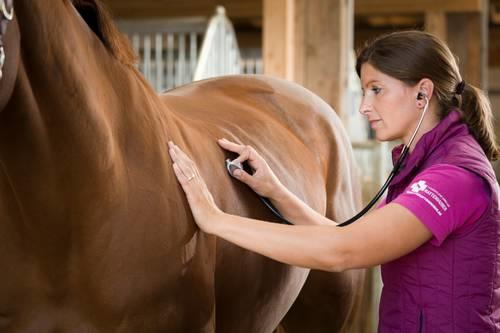
Maintaining a horse’s well-being requires more than just feeding and grooming. Consistent tracking of horse health changes is essential for early detection of issues, effective communication with veterinarians, and ensuring a long, healthy life for your equine companion. By documenting daily observations, horse owners and caretakers can spot subtle shifts that might otherwise go unnoticed.
Whether you manage a single horse or oversee a busy stable, establishing a routine for health monitoring helps create a clear baseline for each animal. This guide outlines the key aspects to record every day, practical tips for observation, and how to use your notes to support veterinary care. For a broader overview of daily, weekly, and yearly responsibilities, you may find the comprehensive guide to horse care helpful as well.
Why Daily Documentation Matters
Consistent record-keeping is a cornerstone of responsible horse management. Horses are adept at masking discomfort, so small changes can be the first signs of health problems. By noting daily details, you’ll be able to:
- Identify emerging issues before they become serious.
- Provide accurate information to your veterinarian.
- Track the effectiveness of treatments or management changes.
- Spot trends related to diet, environment, or exercise.
Daily logs also help multiple caretakers stay informed, ensuring continuity of care even when staff or schedules change.
Essential Elements to Monitor Each Day
To effectively monitor horse health changes, focus on these core areas:
1. Appetite and Water Intake
Record how much your horse eats and drinks. A sudden decrease in appetite or water consumption can signal illness, dental problems, or digestive issues. Note any changes in feed type, supplements, or feeding routine.
2. Manure and Urine Output
Observing manure and urine provides insight into digestive and urinary health. Document:
- Frequency and volume of manure and urine
- Consistency and color of manure
- Any signs of straining, discomfort, or abnormal odors
Changes in these patterns can indicate colic, dehydration, or infection.
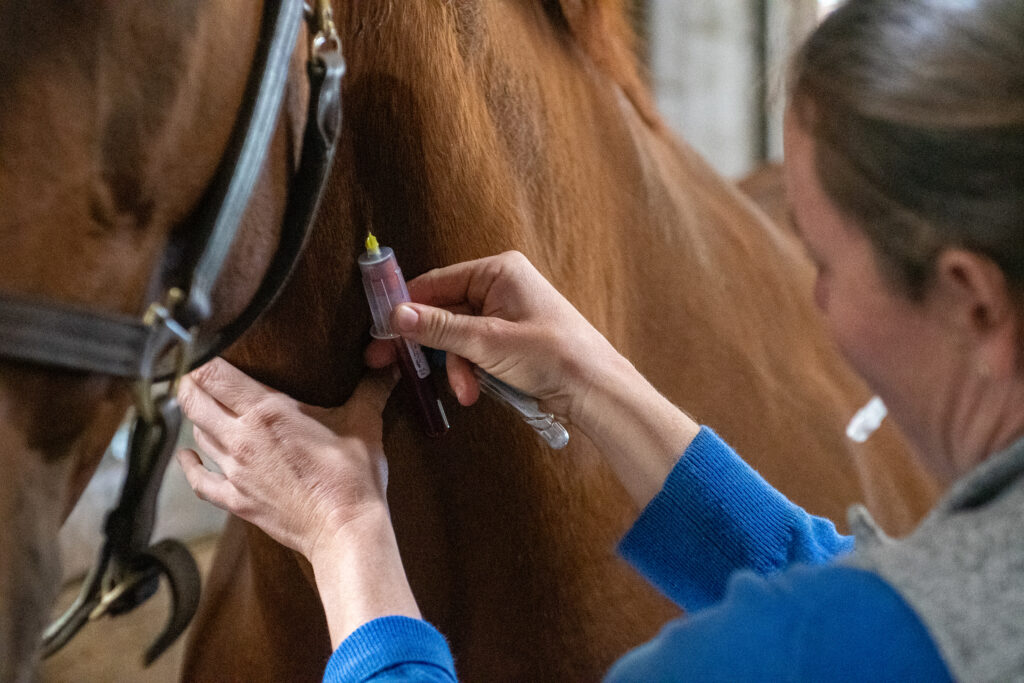
3. Vital Signs and Physical Observations
Checking vital signs is a direct way to spot health changes. Track:
- Temperature (normal range: 37.5–38.5°C or 99.5–101.3°F)
- Pulse (normal: 28–44 beats per minute)
- Respiration rate (normal: 8–16 breaths per minute)
Also, observe for:
- Swelling, heat, or pain in limbs
- Changes in coat condition
- Wounds, cuts, or abrasions
- Signs of discomfort, such as pawing, rolling, or reluctance to move
4. Behavior and Attitude
Behavioral shifts are often early indicators of health concerns. Document:
- Energy level and alertness
- Interaction with people and other horses
- Unusual aggression, anxiety, or withdrawal
- Changes in routine, such as reluctance to work or exercise
5. Hoof and Leg Condition
Daily hoof checks are critical. Look for:
- Cracks, splits, or loose shoes
- Heat, swelling, or digital pulse in the feet
- Signs of lameness or uneven gait
Document any changes, even if they seem minor, as hoof issues can escalate quickly.
Tips for Effective Record-Keeping
To make your daily logs valuable, consistency and clarity are key. Here are some practical suggestions:
- Use a dedicated notebook or digital app for each horse. This keeps records organized and easily accessible.
- Record observations at the same time each day to establish a reliable baseline.
- Be objective and specific. Instead of “horse seemed off,” write “horse left half of grain uneaten, less interactive than usual.”
- Include photos if possible for visual reference, especially for wounds, swelling, or changes in body condition.
- Share records with your veterinarian during check-ups or when concerns arise.
When to Escalate Concerns
While many fluctuations are minor, certain signs require prompt veterinary attention. Contact your vet if you notice:
- Persistent loss of appetite or water intake
- Colic symptoms (rolling, pawing, looking at flank, no manure)
- High fever, rapid breathing, or irregular pulse
- Lameness, severe swelling, or non-weight bearing on a limb
- Sudden behavioral changes, such as collapse or severe agitation
Having detailed records on hand will help your veterinarian diagnose and treat your horse more efficiently.
Integrating Health Tracking into Your Routine
Incorporating daily monitoring into your stable routine doesn’t have to be time-consuming. Many caretakers find it helpful to combine health checks with grooming, feeding, or turnout. Over time, you’ll develop an eye for what’s normal for each horse and be able to spot deviations quickly.
For those new to equine care, reviewing a comprehensive horse care guide can provide additional context and help you build a thorough daily checklist.
FAQ: Daily Horse Health Monitoring
What is the most important sign to watch for in daily horse health checks?
The most critical sign is a change from your horse’s normal behavior or routine. Even subtle shifts in appetite, attitude, or movement can indicate underlying issues. Always trust your instincts and consult a veterinarian if something seems off.
How can I make daily health tracking easier?
Using a simple chart, notebook, or mobile app can streamline the process. Make it a habit to jot down observations during regular chores, and keep your records in a location that’s easy to access and update.
Should I track health changes for horses that seem healthy?
Yes. Documenting the daily status of healthy horses establishes a baseline, making it easier to spot problems early. Regular records are also invaluable if you need to provide a history to your veterinarian in the future.
How long should I keep my horse’s health records?
It’s best to keep records for the duration of your horse’s time with you. Long-term logs help identify recurring issues and provide useful information for new caretakers or veterinarians.
By making daily documentation a part of your routine, you’ll be better equipped to support your horse’s health and respond quickly to any changes. Over time, your careful tracking will pay off in improved well-being and peace of mind for both you and your horse.