
When you care for horses, being ready for unexpected situations is essential. Equine emergency preparedness means having the knowledge, tools, and plans in place to protect your horse’s health and safety during accidents, natural disasters, or sudden illness. Whether you’re an experienced horse owner or just starting out, understanding how to respond to emergencies can make all the difference in minimizing harm and ensuring a swift recovery.
This guide covers practical steps to help you prepare for a wide range of equine emergencies. From assembling a reliable first aid kit to creating evacuation plans and knowing when to call the vet, you’ll find actionable advice to safeguard your horse and your peace of mind. For those new to horse care, resources like A Beginner’s Guide to Horse Care offer a solid foundation alongside emergency planning.
Why Planning Ahead Matters for Horse Owners
Horses are large, sensitive animals that can be vulnerable to a variety of emergencies, including injuries, colic, barn fires, floods, and severe weather. Having a plan in place before disaster strikes saves precious time and reduces stress for both you and your horse. Emergency readiness also helps you communicate clearly with veterinarians, first responders, and other caregivers when every second counts.
- Quick response can prevent minor injuries from becoming life-threatening.
- Being organized reduces panic and confusion during high-pressure situations.
- Preparedness improves the chances of a positive outcome for your horse.
Building Your Equine Emergency Kit
A well-stocked first aid kit is the cornerstone of equine emergency preparedness. Keep your kit in an easily accessible location and check it regularly to replace expired or used items. Here are the essentials:
- Thermometer and stethoscope
- Wound dressings, gauze pads, and bandages
- Antiseptic solution and ointment
- Scissors and tweezers
- Latex or nitrile gloves
- Saline solution for eye or wound flushing
- Hoof pick and hoof boot
- Veterinary contact information
- Flashlight and extra batteries
- Emergency identification for your horse
Creating an Emergency Action Plan
Every horse property should have a clear, written emergency plan. This plan should be shared with family members, barn staff, and anyone else responsible for your horse’s care. Consider the following components:
- Evacuation routes: Identify multiple ways to safely remove horses from barns or pastures in case of fire, flood, or other disasters. Practice loading horses into trailers regularly.
- Emergency contacts: Keep a list of veterinarians, farriers, neighbors, and local animal shelters. Post this information in the barn and save it in your phone.
- Horse identification: Use microchips, ID tags on halters, or photos to help reunite you with your horse if separated.
- Disaster supplies: Store extra feed, water, medications, and bedding in waterproof containers for at least 72 hours.
- Communication plan: Designate a meeting point and a way to contact everyone involved in your horse’s care.
Recognizing and Responding to Common Equine Emergencies
Being able to identify the signs of distress or injury is a vital part of emergency preparedness for horses. Here are some of the most frequent situations and how to respond:
Colic
Colic is a leading cause of emergency vet calls. Symptoms include pawing, rolling, sweating, looking at the flank, and lack of appetite. If you suspect colic:
- Remove food and monitor water intake.
- Walk your horse to prevent rolling, but do not exhaust them.
- Call your veterinarian immediately.
Wounds and Lacerations
For cuts or bleeding, gently clean the area with saline or clean water, apply pressure to stop bleeding, and bandage if possible. Avoid using harsh chemicals. Seek veterinary advice for deep or contaminated wounds.
Lameness or Hoof Injuries
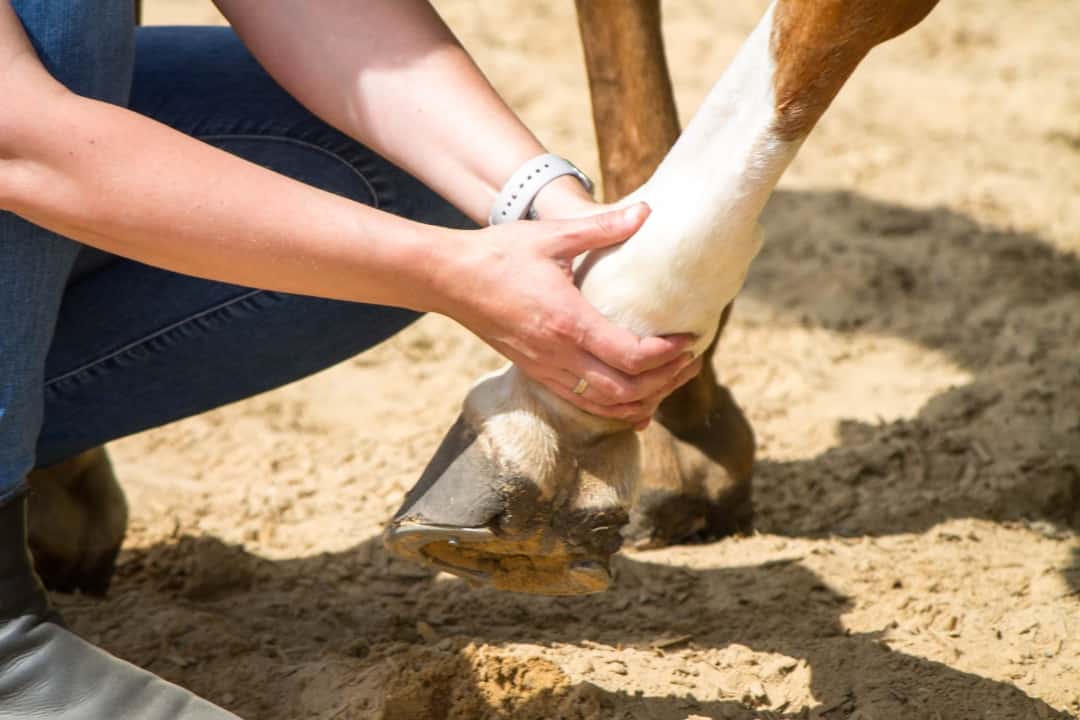
Sudden lameness may indicate a hoof abscess, injury, or foreign object. Pick out the hoof and look for obvious issues. If the horse cannot bear weight or there is significant swelling, call your vet.
Training and Practice: The Key to Effective Response
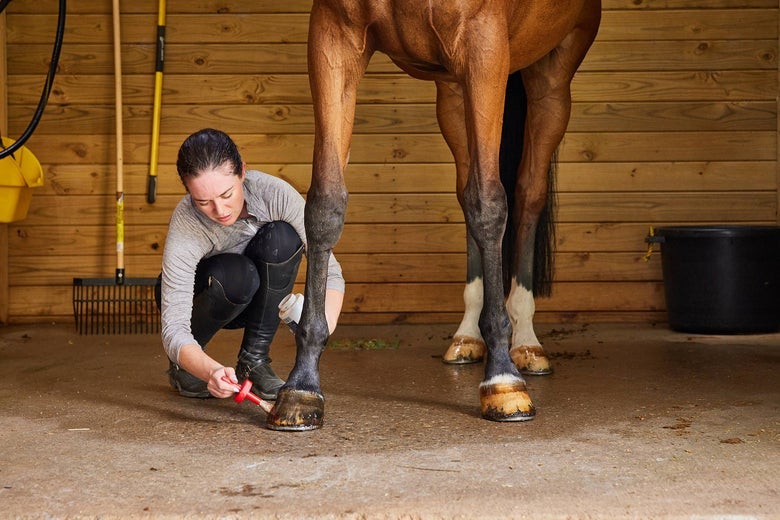
Preparation goes beyond having supplies—it’s about building confidence and skill. Regularly review your emergency plan with everyone on your property. Practice trailer loading, fire drills, and basic first aid. The more familiar you are with procedures, the more efficiently you’ll act when it matters.
- Hold mock drills for different scenarios, such as barn fires or severe weather.
- Teach all handlers how to use the first aid kit and where to find emergency contacts.
- Keep up with continuing education through clinics or online resources.
Maintaining Your Emergency Preparedness Over Time
As your horse’s needs change, so should your emergency plans. Review your supplies and procedures at least twice a year. Update contact lists, check expiration dates on medications, and replace worn-out equipment. Stay informed about local risks, such as wildfire season or flooding, and adjust your plans accordingly.
Connecting with other horse owners and local equine organizations can provide additional support and resources. Sharing knowledge and experiences helps everyone in the community stay safer and better prepared.
Frequently Asked Questions
- What should I include in my horse’s emergency kit?
- Your kit should have a thermometer, stethoscope, bandages, wound dressings, antiseptic, gloves, scissors, saline, hoof care tools, and up-to-date veterinary contact information. Include extra halters and lead ropes, as well as identification materials for your horse.
- How often should I practice my emergency plan?
- Review and practice your plan at least twice a year, or whenever there are changes to your property or staff. Regular drills help everyone respond quickly and calmly during real emergencies.
- When should I call the veterinarian during an emergency?
- Contact your vet immediately if your horse shows signs of severe distress, colic, uncontrollable bleeding, inability to stand, or any condition you are unsure how to handle. It’s always better to err on the side of caution.
By taking proactive steps and staying informed, you can ensure your horse’s safety no matter what challenges arise. Equine emergency preparedness is an ongoing process, but the peace of mind it brings is well worth the effort.