
Starting your journey with horses is both exciting and demanding. For those new to equine ownership, understanding the essentials of horse care for beginners is crucial to ensure your horse’s health, happiness, and safety. This guide covers the foundational steps, from daily routines to long-term responsibilities, helping you build confidence as a new horse owner.
Before diving into the practical aspects, it’s helpful to get a broader perspective on what responsible horse stewardship involves. For a detailed breakdown of daily, weekly, and yearly tasks, you can refer to this comprehensive guide to horse care responsibilities. With the right approach and preparation, caring for a horse becomes a rewarding experience for both you and your equine companion.
Understanding Basic Horse Needs
Every horse requires a safe environment, proper nutrition, regular exercise, and consistent grooming. As a new horse owner, your primary focus should be on meeting these fundamental needs to promote well-being and prevent common health issues.
- Shelter: Horses need protection from extreme weather. A stable or run-in shed provides shade, warmth, and a dry resting place.
- Water: Fresh, clean water must be available at all times. Horses can drink between 5 to 10 gallons daily, depending on their size and activity level.
- Forage: Quality hay or pasture grass forms the bulk of a horse’s diet. Supplement with grains or concentrates only if necessary and as advised by a veterinarian.
- Companionship: Horses are social animals and thrive with interaction, whether with other horses or regular human contact.
Daily Routines for New Horse Owners
Establishing a consistent daily routine is key to effective horse care for beginners. These habits not only keep your horse healthy but also help you notice early signs of illness or discomfort.
- Feeding: Provide hay or pasture, and any supplements, at regular times each day. Monitor your horse’s appetite and adjust portions as needed.
- Water Check: Ensure water buckets or troughs are clean and full. In winter, check for ice; in summer, prevent algae buildup.
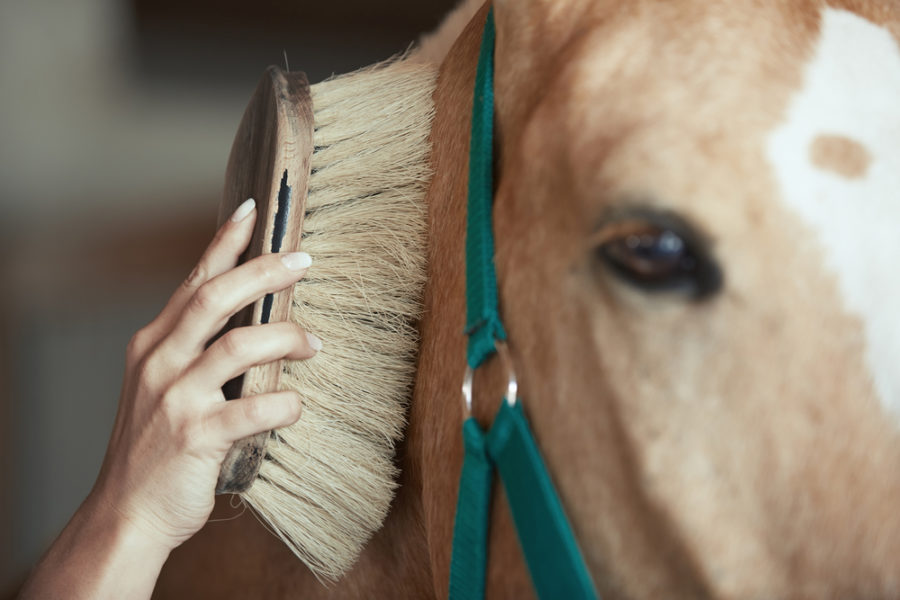
- Grooming: Daily brushing removes dirt, stimulates circulation, and allows you to check for cuts, swelling, or parasites.
- Hoof Care: Pick out hooves daily to remove stones and debris, reducing the risk of thrush or lameness.
- Observation: Watch for changes in behavior, eating, or movement. Early detection of problems can prevent serious health issues.
Essential Grooming and Equipment
Proper grooming is more than just keeping your horse looking good—it’s a vital part of their health routine. For those just starting, investing in a basic grooming kit is a wise choice. A typical kit includes a curry comb, stiff brush, soft brush, hoof pick, mane comb, and a sponge or cloth.
Grooming helps distribute natural oils, prevents skin problems, and strengthens your bond with your horse. It’s also the perfect time to check for injuries or signs of discomfort. Alongside grooming, ensure you have the right tack (saddle, bridle, halter, lead rope) and that all equipment fits properly to avoid sores or behavioral issues.
Veterinary and Hoof Care Basics
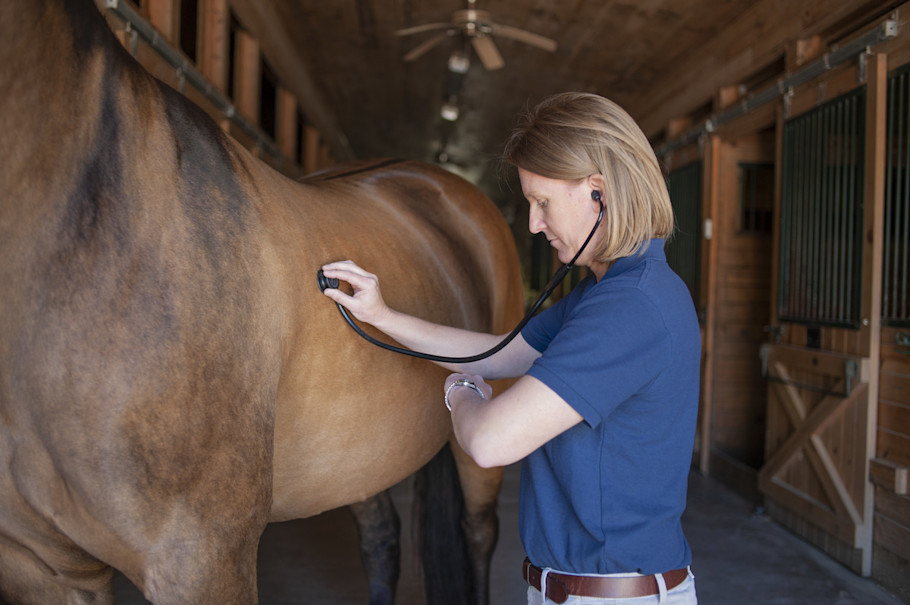
Routine health care is a cornerstone of horse care for beginners. Establish a relationship with an equine veterinarian for regular checkups, vaccinations, and dental care. Horses require annual vaccinations for diseases like tetanus, influenza, and West Nile virus, as well as periodic deworming based on your vet’s recommendations.
Hoof care is equally important. Schedule farrier visits every 6–8 weeks for trimming or shoeing. Neglecting hoof maintenance can lead to lameness and long-term health problems. Always observe your horse’s gait and stance for early signs of discomfort.
Creating a Safe and Enriching Environment
Safety is a top priority for any horse owner. Fencing should be sturdy, free of sharp edges, and regularly inspected for damage. Avoid barbed wire, as it can cause serious injuries. Ensure that gates latch securely and that pastures are free from toxic plants or debris.
Enrichment is also important. Horses benefit from varied terrain, toys, and opportunities to interact with other horses. Rotate grazing areas to maintain healthy pasture and prevent overgrazing. Providing shelter from sun, wind, and rain is essential for comfort and health.
Building Your Knowledge and Support Network
No one expects new horse owners to know everything right away. It’s important to seek advice from experienced horse people, trainers, and veterinarians. Joining local riding clubs, attending clinics, and reading reputable resources can accelerate your learning curve.
Remember, patience and observation are key. Horses communicate through body language, so spending time with your animal helps you understand their needs and preferences. Over time, you’ll develop the skills and confidence to handle more advanced aspects of equine management.
Frequently Asked Questions
What is the most important aspect of horse care for someone new?
The most critical aspect is consistency. Providing regular feeding, clean water, daily grooming, and routine health checks ensures your horse stays healthy and happy. Being attentive to changes in behavior or appearance helps catch issues early.
How often should a beginner groom their horse?
Daily grooming is recommended, especially for new owners. It not only keeps your horse clean but also allows you to check for injuries, skin conditions, or signs of discomfort. Regular grooming strengthens the bond between you and your horse.
What are common mistakes beginners make with horse care?
Common errors include inconsistent routines, neglecting hoof care, overfeeding grain, and failing to provide adequate shelter or companionship. Beginners should also avoid using ill-fitting tack and should always seek guidance when unsure about any aspect of horse management.