
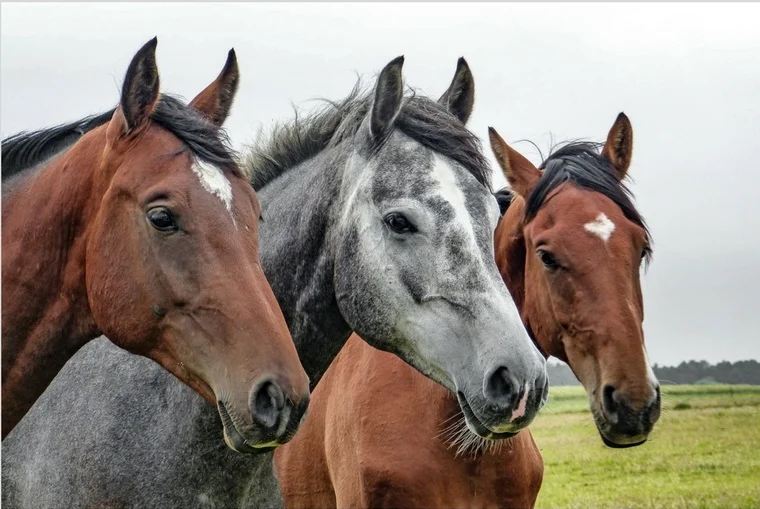
In recent years, the concept of a holistic approach to horse wellness has gained significant traction among equine enthusiasts and professionals. This method emphasizes the importance of considering the entire body and mind of the horse, rather than focusing solely on isolated symptoms or issues. By adopting a comprehensive perspective, horse owners can ensure their animals achieve optimal health and well-being.
Understanding the interconnectedness of physical, mental, and environmental factors is crucial for maintaining a horse’s health. This guide will explore various aspects of holistic care, including nutrition, exercise, mental stimulation, and environmental management. Additionally, we’ll discuss how these elements work together to promote a balanced and healthy lifestyle for horses.
For more insights on preparing your horse for different seasons, consider reading this comprehensive guide.
Nutrition: The Foundation of Equine Health
Proper nutrition is a cornerstone of a holistic health strategy for horses. A balanced diet tailored to a horse’s specific needs can significantly impact their overall well-being. Key components of a nutritious diet include:
- Forage: High-quality hay or pasture should form the bulk of a horse’s diet, providing essential fiber and nutrients.
- Grains and Supplements: Depending on the horse’s activity level and health requirements, grains and supplements may be necessary to meet energy and nutritional needs.
- Water: Access to clean, fresh water is vital for digestion and overall health.
Exercise and Physical Well-Being
Regular exercise is essential for maintaining a horse’s physical health and preventing issues such as obesity and muscle atrophy. A well-rounded exercise regimen should include:
- Cardiovascular Work: Activities like trotting and cantering help improve cardiovascular fitness and stamina.
- Strength Training: Incorporating hill work or gymnastic exercises can build muscle strength and flexibility.
- Rest and Recovery: Allowing time for rest and recovery is crucial to prevent overexertion and injuries.
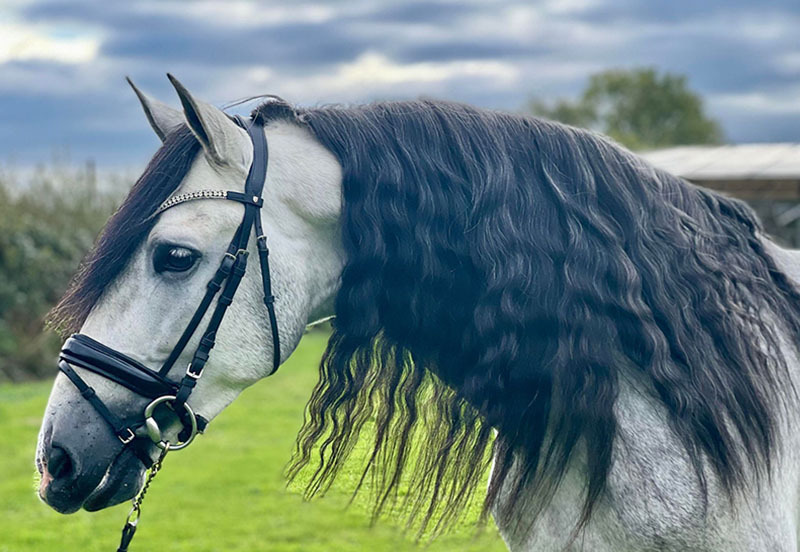
Mental Stimulation and Emotional Health
Just like humans, horses require mental stimulation to remain happy and healthy. Providing opportunities for mental engagement can prevent boredom and associated behavioral issues. Consider the following strategies:
- Variety in Training: Incorporate different activities and environments to keep training sessions engaging.
- Social Interaction: Horses are social animals and benefit from interaction with other horses and humans.
- Toys and Enrichment: Use toys and puzzles to challenge a horse’s mind and provide entertainment.
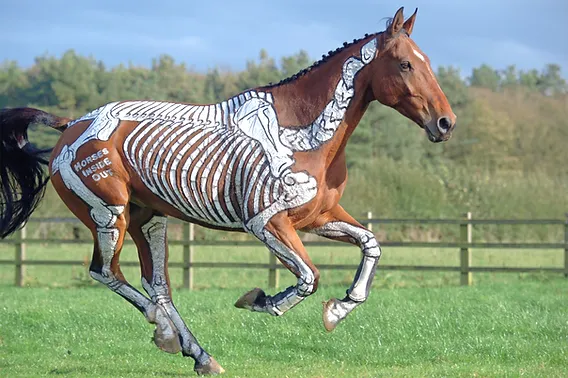
Environmental Management for Optimal Health
The environment in which a horse lives can greatly influence its health and well-being. Ensuring a safe, clean, and comfortable habitat is essential. Key considerations include:
- Stable Conditions: Maintain clean and well-ventilated stables to prevent respiratory issues.
- Pasture Management: Regularly rotate pastures to prevent overgrazing and maintain grass health.
- Weather Protection: Provide adequate shelter to protect horses from extreme weather conditions.
FAQs on Holistic Horse Care
What is a holistic approach to horse wellness?
A holistic approach to horse wellness considers the entire horse, including its physical, mental, and environmental health, to promote overall well-being.
How can I improve my horse’s mental health?
Improving a horse’s mental health can be achieved through varied training, social interaction, and providing toys and enrichment activities.
Why is nutrition important in holistic horse care?
Nutrition is crucial because it provides the necessary energy and nutrients for a horse’s overall health, supporting both physical and mental well-being.