
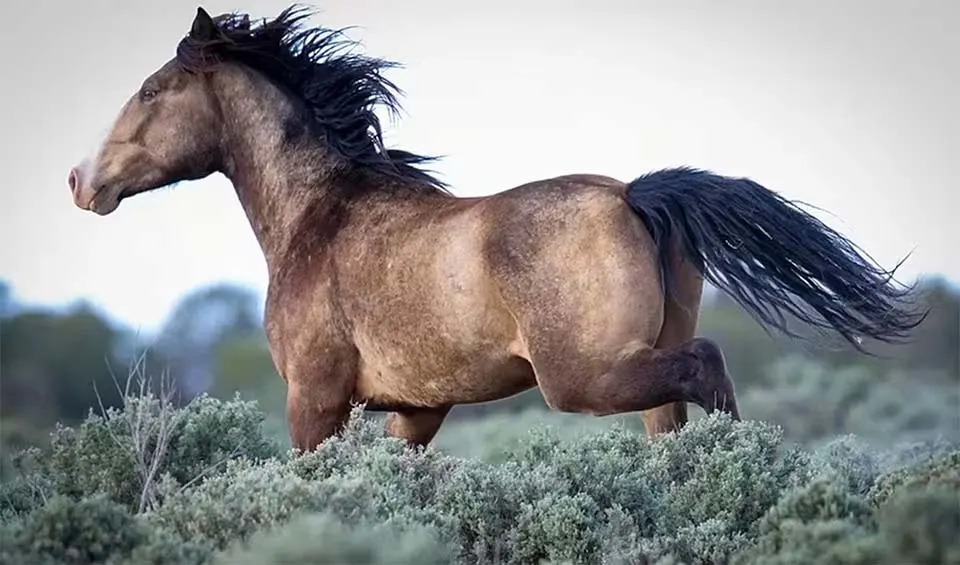
Flies are a persistent nuisance for horses, causing discomfort, stress, and sometimes even health issues. Many horse owners seek natural remedies for flies on horses to avoid the risks associated with chemical-based repellents. Chemical-free approaches not only help protect your horse’s well-being but also reduce environmental impact and potential side effects. This guide explores a variety of effective, natural methods for managing flies, offering practical solutions that can be easily implemented on any property.
While keeping horses comfortable in every season is important, fly control becomes especially critical during warmer months. For more holistic care tips, you may also find value in resources like winter horse care advice for owners.
Why Choose Natural Solutions for Fly Control?
Opting for natural fly control methods offers several advantages over chemical alternatives. Many commercial sprays and treatments contain ingredients that may irritate sensitive skin, cause allergic reactions, or accumulate in the environment. By using plant-based or mechanical deterrents, you reduce the risk of adverse effects on both horses and the ecosystem.
- Safety: Natural products are generally gentler on horses’ skin and respiratory systems.
- Environmental Impact: Chemical-free options avoid polluting soil and water sources.
- Resistance Prevention: Flies are less likely to develop resistance to physical and botanical deterrents.
Understanding Fly Behavior and Attraction
Before implementing any remedy, it helps to understand why flies are drawn to horses. Flies are attracted by sweat, manure, moisture, and even certain odors. By addressing these attractants, you can significantly reduce fly populations without relying on synthetic chemicals.
Physical and Environmental Approaches
One of the most effective ways to minimize flies is by making your horse’s environment less appealing to them. These practical steps form the foundation of any chemical-free fly management plan.
- Manure Management: Remove manure from stalls and paddocks daily. Compost manure far from horse areas to prevent attracting flies.
- Water Control: Eliminate standing water where flies breed. Regularly clean water troughs and buckets.
- Fly Traps: Use baited fly traps or sticky ribbons in barns and around turnout areas to catch adult flies.
- Fans and Air Movement: Install fans in stables to disrupt fly flight patterns and make it harder for them to land on horses.
- Physical Barriers: Equip horses with fly masks, sheets, and leg wraps to provide a physical shield against biting insects.
Homemade and Botanical Fly Repellents
Many horse owners prefer to make their own natural remedies for flies on horses using simple, safe ingredients. These DIY sprays and topical solutions can be just as effective as commercial products when used consistently.
Essential Oil Sprays
Essential oils such as citronella, eucalyptus, lavender, and tea tree are known for their insect-repelling properties. To create a homemade spray:
- Mix 2 cups of distilled water with 1 cup of apple cider vinegar.
- Add 10–15 drops each of citronella, eucalyptus, and lavender oils.
- Shake well and spray lightly on your horse, avoiding eyes and mucous membranes.
Always patch test new mixtures on a small area first to check for sensitivity.
Apple Cider Vinegar Rinse
Apple cider vinegar can be used as a rinse or added to your horse’s feed (consult your veterinarian before internal use). For topical application, dilute one part vinegar with three parts water and sponge onto the coat. The scent helps deter flies and can also add shine to the coat.
Herbal Fly Sprays
Herbal infusions made from rosemary, basil, or mint can be steeped, cooled, and sprayed onto horses. These herbs are safe and provide a mild, pleasant aroma while helping to keep insects at bay.
Feeding Strategies and Supplements
Diet can play a role in making horses less attractive to flies. Some owners find that adding certain supplements or feed-through products helps deter pests from the inside out.
- Garlic: Small amounts of garlic powder or granules (introduced gradually and in moderation) may help repel flies through the horse’s sweat. Always consult a veterinarian before adding garlic, as excessive amounts can be harmful.
- Apple Cider Vinegar: Adding a small amount to feed or water can change the horse’s scent, making them less appealing to flies. Again, seek veterinary advice before making dietary changes.
- Omega-3 Oils: Flaxseed or fish oil supplements can improve skin and coat health, making horses less susceptible to insect bites.
Stable Management and Pasture Practices
Good barn hygiene is essential for keeping fly populations under control. In addition to manure management, consider these additional steps:
- Rotate Grazing Areas: Move horses between pastures to prevent overgrazing and reduce manure buildup.
- Encourage Natural Predators: Birds, bats, and certain insects (like parasitic wasps) feed on flies and larvae. Installing birdhouses or bat boxes can help attract these helpful species.
- Keep Feed Covered: Store grain and supplements in sealed containers to avoid attracting flies.
Frequently Asked Questions
What is the safest natural fly repellent for horses?
Essential oil sprays made with citronella, eucalyptus, and lavender are among the safest options when properly diluted. Always test on a small area first and avoid sensitive regions like the eyes and nostrils.
How often should I apply homemade fly sprays?
Natural sprays typically need to be reapplied every few hours, especially after sweating or bathing. Consistent use is key to maintaining effectiveness.
Can diet changes really help reduce flies?
Some dietary supplements, such as garlic or apple cider vinegar, may help make horses less attractive to flies. However, results can vary, and it’s important to consult with a veterinarian before making any changes to your horse’s feed.
Are there risks to using essential oils on horses?
While many essential oils are safe when diluted, some horses may be sensitive or allergic. Always introduce new products gradually and monitor for any signs of irritation.
Conclusion
Managing flies around horses without chemicals is achievable through a combination of environmental management, physical barriers, homemade sprays, and thoughtful dietary choices. By integrating these natural remedies for flies on horses into your routine, you can keep your animals comfortable and healthy while minimizing environmental impact. Consistency and a multi-faceted approach are key to long-term success.