
Caring for a horse is a significant commitment that goes far beyond simply providing food and water. Anyone considering horse ownership or regular equine care should understand the daily, weekly, and seasonal tasks involved. This guide offers a thorough look at what it means to be responsible for a horse’s well-being, covering everything from feeding routines to health checks and grooming. Whether you’re new to horses or looking to refresh your knowledge, understanding these duties is essential for the health and happiness of your equine companion.
Before diving into the details, it’s helpful to review a comprehensive resource like this beginner’s guide to horse care, which outlines foundational practices and tips for new owners.
Understanding Daily Equine Care Duties
Daily routines form the backbone of responsible horse management. Every day, horses require attention to their basic needs, and neglecting these can quickly lead to health or behavioral issues. Here’s what a typical day of horse care looks like:
- Feeding and Watering: Horses need access to fresh, clean water at all times. Their diet should be balanced, with hay or pasture as the primary source, supplemented by grain or concentrates as needed for their age, activity level, and health.
- Stall and Shelter Maintenance: Stalls must be mucked out daily to prevent the build-up of ammonia and bacteria. If horses are kept outside, shelter areas should be checked for hazards and cleaned regularly.
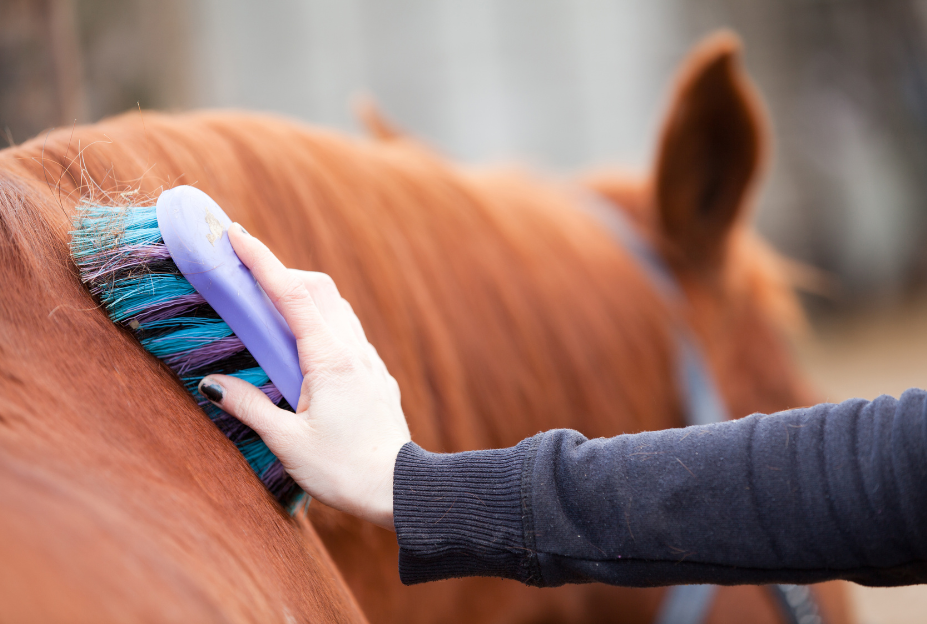
- Grooming: Regular brushing removes dirt, sweat, and loose hair, helping to prevent skin conditions and allowing for early detection of injuries or irritations.
- Exercise and Socialization: Horses need daily movement, whether through turnout, riding, or groundwork. Social interaction with other horses is also important for their mental well-being.
These daily responsibilities are non-negotiable for anyone looking to provide proper care for their horse.
Feeding, Nutrition, and Hydration Essentials
Proper nutrition is a cornerstone of horse health. Horses are grazing animals, so their digestive systems are designed for small, frequent meals. Here’s what to keep in mind:
- Forage First: High-quality hay or pasture should make up the bulk of a horse’s diet. This provides necessary fiber and helps prevent digestive issues.
- Concentrates and Supplements: Some horses require additional grains or pelleted feeds, especially if they are in heavy work or have special dietary needs. Always introduce new feeds gradually.
- Clean Water: Horses can drink between 5 and 10 gallons of water daily. Water buckets or troughs should be cleaned and refilled regularly to ensure freshness.
- Salt and Minerals: Providing a salt block or mineral supplement helps meet electrolyte needs, especially in hot weather or for working horses.
Monitoring a horse’s weight, appetite, and manure output is crucial for spotting early signs of dietary problems.
Grooming and Hoof Care: Key Responsibilities
Regular grooming is not just about appearance; it’s vital for a horse’s health and comfort. Brushing removes dirt and debris, stimulates circulation, and helps you check for cuts, swelling, or parasites. Hoof care is equally important, as neglected hooves can lead to lameness or infection.
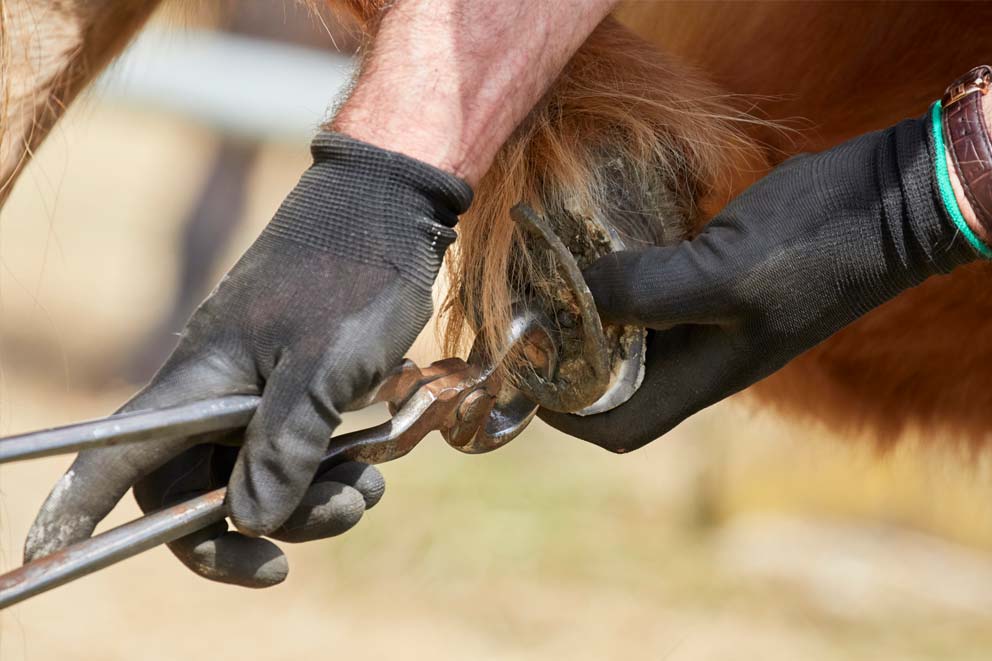
Key grooming and hoof care tasks include:
- Daily Brushing: Use a curry comb, stiff brush, and soft brush to remove dirt and loose hair.
- Hoof Picking: Clean out hooves daily to remove stones, mud, and manure, and check for signs of thrush or cracks.
- Bathing: Occasional baths help keep the coat clean, especially in warmer months or after heavy work.
- Professional Farrier Visits: Horses need their hooves trimmed and, if shod, shoes reset every 6-8 weeks.
Consistent grooming helps build trust and strengthens the bond between horse and handler.
Health Monitoring and Veterinary Care
Staying proactive with health care is a vital part of equine management. Horses require regular check-ups, vaccinations, and prompt attention to injuries or illness. Here’s what responsible owners should prioritize:
- Vaccinations: Annual vaccines protect against diseases such as tetanus, influenza, and West Nile virus.
- Deworming: Parasite control schedules vary, but most horses need deworming several times a year based on fecal egg counts and veterinary advice.
- Dental Care: Horses’ teeth grow continuously and may need floating (filing) by a vet or equine dentist once or twice a year.
- First Aid: Owners should be prepared to treat minor wounds and recognize signs of colic, lameness, or respiratory issues.
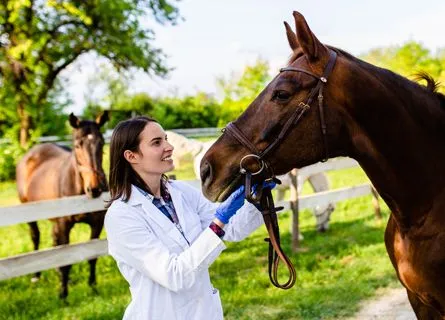
Building a relationship with a trusted veterinarian ensures quick response to emergencies and helps maintain a long-term health plan.
Stable Management and Environmental Needs
Providing a safe, clean, and comfortable environment is another core element of equine care. Horses thrive in settings that offer shelter, space to move, and protection from hazards. Key aspects of stable management include:
- Clean Bedding: Stalls should be mucked out daily and fresh bedding added as needed to keep the area dry and comfortable.
- Ventilation: Good airflow reduces respiratory problems and keeps the stable environment healthy.
- Safe Fencing: Regularly inspect fences for damage or sharp edges to prevent injuries.
- Pasture Management: Rotate grazing areas, remove toxic plants, and maintain grass quality for optimal nutrition and exercise.
Attention to these details helps prevent accidents and supports the overall well-being of the horse.
Seasonal and Long-Term Commitments
Horse care responsibilities change with the seasons and over the course of a horse’s life. In winter, horses may need blanketing, extra feed, and heated water sources. Summer brings challenges like flies, sunburn, and the need for shade. Long-term, horses require ongoing training, companionship, and sometimes special care as they age.
Owners must be prepared for the evolving needs of their horses, from foal to senior. Planning for emergencies, retirement, and end-of-life care is also part of responsible ownership.
Common Challenges and How to Overcome Them
Even the most dedicated owners face obstacles in providing consistent care. Common challenges include time constraints, financial pressures, and unexpected health issues. Here are a few strategies to manage these hurdles:
- Time Management: Create a daily and weekly schedule for feeding, cleaning, and exercise. Enlist help when needed, especially during busy periods.
- Budgeting: Track expenses for feed, bedding, veterinary care, and equipment. Set aside an emergency fund for unexpected costs.
- Continued Education: Stay informed through reputable sources, clinics, and by consulting professionals. Resources like beginner horse care guides can be invaluable for learning and troubleshooting.
By anticipating challenges and seeking support, horse owners can maintain high standards of care even when difficulties arise.
Frequently Asked Questions
What are the most important daily horse care tasks?
The most critical daily duties include providing fresh water, feeding a balanced diet, cleaning stalls or shelter areas, grooming, and ensuring the horse gets adequate exercise and social interaction. Regular observation helps catch any health issues early.
How often should a horse’s hooves be trimmed?
Most horses need their hooves trimmed by a farrier every 6 to 8 weeks. The exact frequency can vary depending on the horse’s age, workload, and environment. Regular hoof care prevents lameness and other foot problems.
Do horses need to see a veterinarian regularly?
Yes, horses require annual veterinary check-ups for vaccinations, dental care, and overall health assessments. Immediate veterinary attention is necessary for injuries, illness, or sudden changes in behavior or appetite.
Is it expensive to care for a horse?
Horse care involves ongoing expenses for feed, bedding, veterinary care, farrier services, equipment, and emergency costs. Budgeting and planning ahead can help manage these expenses, but it’s important to be prepared for both routine and unexpected costs.
Can I care for a horse if I have a full-time job?
Many horse owners successfully balance work and horse care by creating a structured routine, enlisting help, or using boarding facilities that offer full or partial care services. Time management and reliable support are key.