
Maintaining horse joint health is essential for keeping equine companions comfortable, active, and able to perform at their best. Whether your horse is a seasoned athlete, a pleasure mount, or a beloved pasture mate, healthy joints are the foundation for mobility and long-term well-being. Proactive care, smart management, and early intervention can help prevent discomfort and reduce the risk of chronic issues.
In this guide, we’ll explore practical strategies for supporting joint function, discuss common risk factors, and highlight the importance of daily routines in preserving your horse’s movement. For additional insights on daily equine care, the resource managing horses day to day offers expert advice on best practices for horse owners and caretakers.
Understanding Joint Structure and Function in Horses
Equine joints are complex structures where two or more bones meet, cushioned by cartilage and lubricated by synovial fluid. These joints allow for smooth, pain-free movement and absorb the shock of daily activities, from walking and trotting to jumping and galloping. Over time, wear and tear, injuries, and even genetics can impact joint health, making it crucial to understand how these structures work and what can go wrong.
Common joint problems in horses include osteoarthritis, inflammation, and soft tissue injuries. Early signs of trouble may include stiffness, swelling, heat, or a reluctance to move. Recognizing these symptoms promptly allows for timely intervention, which is key to preventing further damage and supporting long-term soundness.
Daily Routines for Optimal Horse Joint Health Maintenance
Consistent, thoughtful management is the cornerstone of horse joint health maintenance. Simple daily habits can make a significant difference in reducing joint stress and supporting overall mobility.
- Regular Exercise: Controlled movement helps maintain joint flexibility and encourages the production of synovial fluid. Turnout in safe paddocks and structured riding routines are both beneficial.
- Proper Warm-Up and Cool-Down: Gradually increasing and decreasing activity levels before and after exercise helps protect joints from sudden strain.
- Weight Management: Keeping horses at a healthy weight reduces unnecessary pressure on joints, lowering the risk of injury and degeneration.
- Balanced Nutrition: Diets rich in essential nutrients, including omega-3 fatty acids and antioxidants, support joint tissues and overall health.
- Routine Hoof Care: Regular trimming and shoeing promote even weight distribution and minimize abnormal stress on joints.
Identifying and Managing Joint Stressors
Several factors can increase the risk of joint issues in horses. Recognizing and addressing these stressors early is a key part of maintaining healthy movement.
- Intensive Training: High-impact sports and repetitive movements can accelerate joint wear. Incorporate rest days and cross-training to minimize overuse.
- Poor Footing: Uneven or hard surfaces increase concussion on joints. Maintain arenas and turnout areas to provide safe, forgiving ground.
- Inadequate Equipment: Ill-fitting saddles or harnesses can alter movement patterns, leading to joint strain. Regularly check and adjust tack for proper fit.
- Age and Genetics: Older horses and certain breeds may be more prone to joint degeneration. Adjust routines and monitor for early signs of discomfort.
Early detection is vital. If you notice swelling, heat, or changes in gait, consult your veterinarian promptly. Diagnostic tools such as flexion tests, radiographs, and ultrasound can help pinpoint the source of discomfort and guide treatment.
Supportive Therapies and Supplements for Joint Care
Beyond daily management, a variety of therapies and nutritional supplements can aid in horse joint health maintenance. Always consult your veterinarian before introducing new products or treatments.
- Joint Supplements: Products containing glucosamine, chondroitin sulfate, hyaluronic acid, and MSM are commonly used to support cartilage health and reduce inflammation.
- Topical Liniments and Poultices: Applying liniments or poultices after exercise can help soothe tired joints and reduce swelling.
- Physical Therapy: Modalities such as massage, stretching, and controlled exercise programs can improve flexibility and comfort.
- Veterinary Treatments: In some cases, joint injections or regenerative therapies may be recommended to address specific issues.
It’s important to use only products and therapies that are proven safe for horses. Regular communication with your veterinary team ensures that your horse receives the most appropriate care for their individual needs.
Grooming and Observation: The Role of Hands-On Care
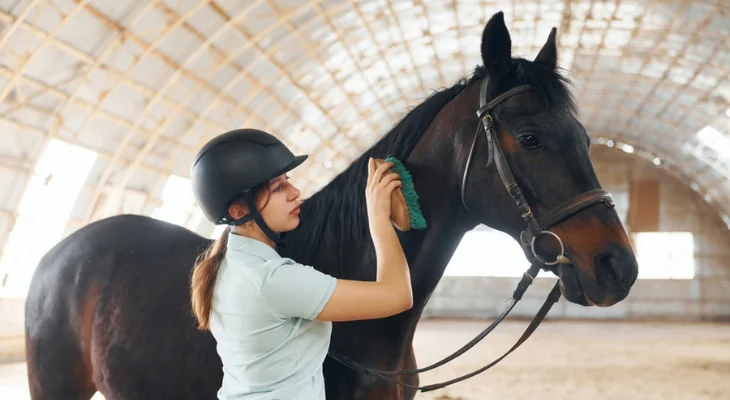
Daily grooming is more than just keeping your horse clean—it’s an opportunity to observe subtle changes that may indicate joint discomfort. While brushing and picking hooves, pay attention to:
- Swelling or heat around joints
- Changes in skin texture or hair coat over joints
- Sensitivity or flinching when touching specific areas
- Reluctance to lift limbs or move in certain directions
Consistent observation helps catch issues early, allowing for prompt veterinary assessment and intervention. Grooming also promotes circulation and can be a relaxing experience for both horse and handler.
Preventive Strategies for Lifelong Mobility
Long-term joint care is a commitment that pays off in your horse’s comfort and performance. Consider these preventive strategies:
- Regular Veterinary Exams: Annual or biannual check-ups help track joint health and catch problems before they become serious.
- Tailored Exercise Plans: Adjust routines based on your horse’s age, workload, and physical condition to avoid overexertion.
- Safe Environment: Maintain paddocks and arenas to minimize slips, trips, and falls that could injure joints.
- Education: Stay informed about advances in equine joint care and consult professionals when making changes to your horse’s management.
By combining proactive management, attentive care, and collaboration with your veterinary team, you can help ensure your horse enjoys many years of comfortable, active movement.
Frequently Asked Questions
What are early signs of joint problems in horses?
Early indicators include stiffness, swelling, heat, reluctance to move, or changes in gait. Horses may also show discomfort when picking up their feet or resist certain movements. Prompt attention to these signs can help prevent further joint damage.
How can diet support joint health in horses?
A balanced diet rich in omega-3 fatty acids, antioxidants, and adequate vitamins and minerals supports joint tissues and reduces inflammation. Some horses may benefit from joint supplements containing glucosamine, chondroitin, hyaluronic acid, or MSM, but always consult your veterinarian before adding new products.
Are joint supplements effective for all horses?
Joint supplements can be helpful, especially for older horses, those in heavy work, or individuals with early signs of joint discomfort. Effectiveness varies by product and individual horse, so it’s important to choose reputable brands and seek veterinary guidance for the best results.