
Keeping horses in peak condition is essential for their health, performance, and overall well-being. Whether your horse is a show jumper, dressage competitor, eventer, or enjoys leisurely trail rides, horse fitness maintenance requires a thoughtful, consistent approach. This guide explores practical strategies for supporting equine fitness across all disciplines, covering daily routines, conditioning plans, and essential care tips to help your horse thrive.
For those new to equine care, learning the fundamentals is a great starting point. You can find a comprehensive overview in this beginner’s guide to horse care basics, which covers grooming, nutrition, and more.
Understanding the Foundations of Equine Fitness
Maintaining a horse’s fitness involves more than just exercise. It’s a holistic process that blends conditioning routines, proper nutrition, rest, and attentive care. Each discipline may require different skills and muscle groups, but the underlying principles remain the same: build strength, improve cardiovascular health, and support mental well-being.
- Consistency: Regular work is key to building and maintaining fitness. Irregular schedules can lead to muscle loss and decreased stamina.
- Variety: Mixing up routines prevents boredom and encourages balanced muscle development.
- Gradual Progression: Increase workload slowly to avoid injury and allow the horse’s body to adapt.
- Rest and Recovery: Scheduled downtime is just as important as active training for muscle repair and mental freshness.
Daily Routines for Optimal Horse Fitness
Everyday habits play a significant role in horse fitness maintenance. Even on non-training days, there are steps you can take to support your horse’s physical condition and readiness for work.
- Turnout: Allowing horses daily access to pasture or paddocks encourages natural movement, stretching, and social interaction.
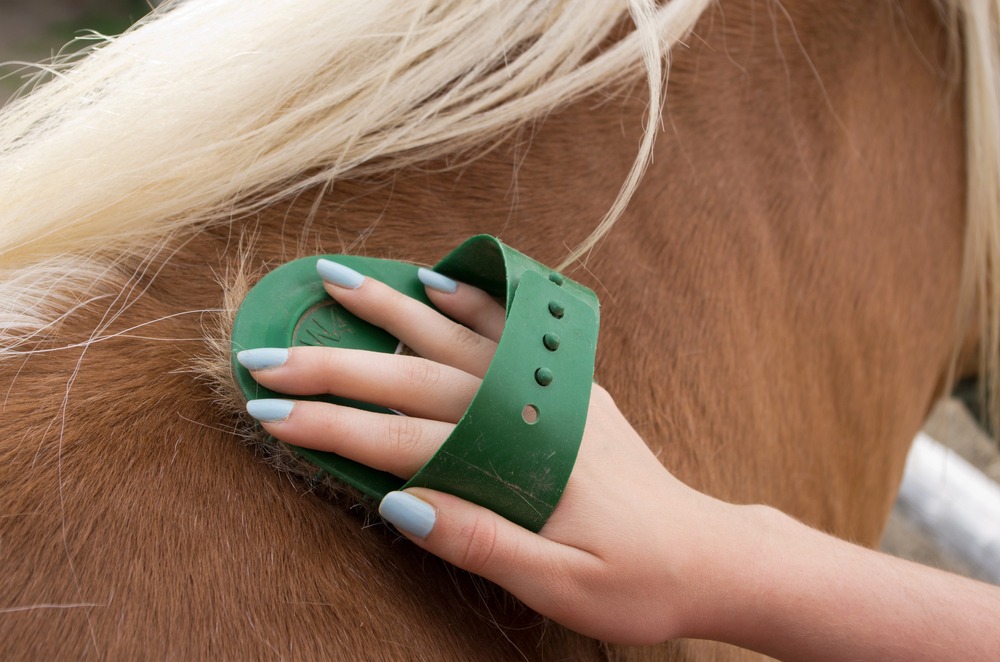
- Grooming: Regular grooming stimulates circulation, helps identify early signs of soreness, and keeps the coat healthy.
- Hand Walking: On rest days or during recovery, gentle hand walking maintains mobility and prevents stiffness.
- Hydration and Nutrition: Ensure constant access to clean water and provide a balanced diet tailored to your horse’s workload and metabolism.
Conditioning Strategies for Different Riding Disciplines
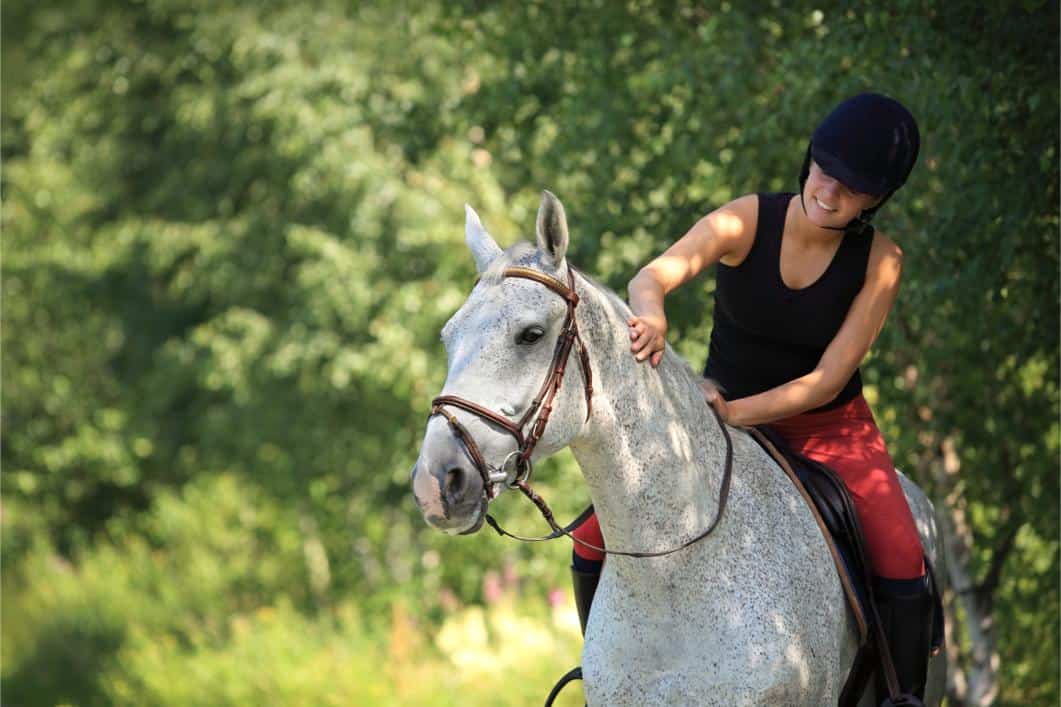
Each equestrian sport places unique demands on the horse’s body. Adapting your fitness maintenance plan to suit your discipline will help your horse perform at its best and reduce the risk of injury.
Dressage
Dressage horses need flexibility, strength, and balance. Focus on exercises that build core muscles and improve suppleness, such as:
- Long, slow warm-ups at the walk and trot
- Lateral work (shoulder-in, leg yield, haunches-in)
- Transitions between gaits to develop responsiveness and engagement
Show Jumping
Jumpers require explosive power, agility, and stamina. Effective routines include:
- Gridwork and gymnastic exercises to improve technique and strength
- Interval training (alternating canter and walk/trot sets) for cardiovascular fitness
- Hill work to build hindquarter power
Eventing
Eventers need a blend of endurance, speed, and versatility. Conditioning should incorporate:
- Long, slow distance rides to build aerobic capacity
- Cross-training between dressage, jumping, and galloping
- Regular schooling over varied terrain
Pleasure and Trail Riding
Even horses ridden for pleasure benefit from a structured approach to fitness maintenance. Include:
- Consistent riding schedule, even if sessions are short
- Occasional longer rides to build stamina
- Exposure to different environments and footing
Monitoring Progress and Adjusting Your Plan
Tracking your horse’s progress is vital for long-term success. Regularly assess body condition, muscle tone, and performance. Adjust your routine if you notice signs of fatigue, soreness, or behavioral changes. Consult with your veterinarian or an experienced trainer for guidance if needed.
- Body Condition Scoring: Use a standardized scale to evaluate fat coverage and muscle development.
- Fitness Tests: Monitor heart rate recovery after exercise to gauge cardiovascular improvement.
- Behavioral Cues: Pay attention to willingness to work, energy levels, and any signs of discomfort.
Supporting Recovery and Preventing Injury
Recovery is a crucial aspect of any fitness maintenance program. Overworking horses or skipping rest days can lead to strains, lameness, or chronic issues. To promote recovery:
- Incorporate cool-down periods after exercise, including walking and gentle stretching
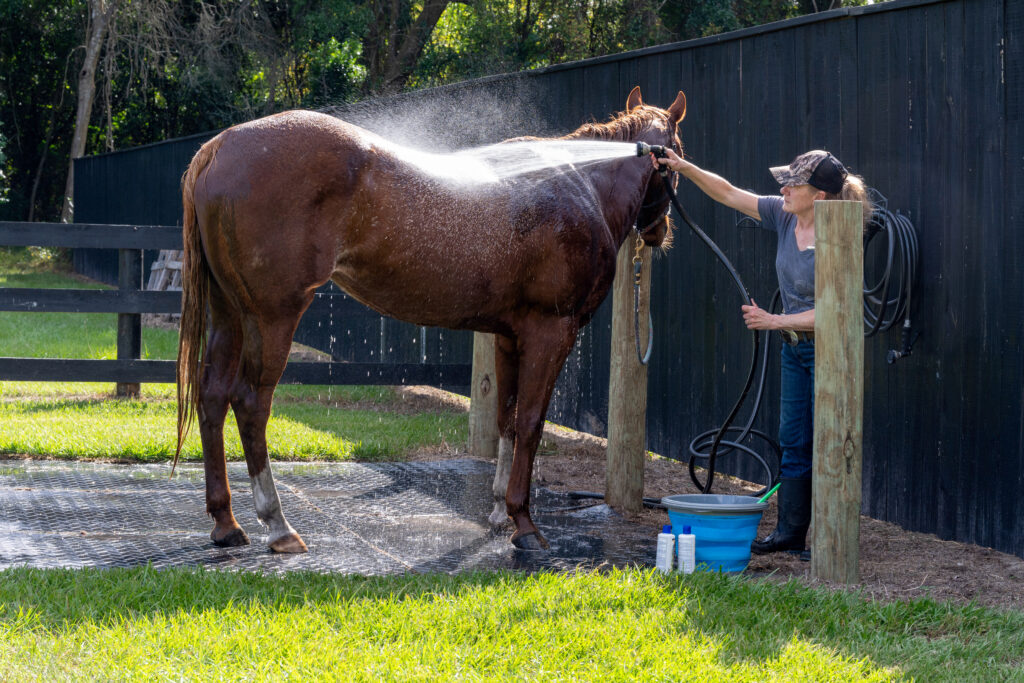
- Use supportive therapies such as massage, liniments, or cold hosing as needed
- Monitor legs and hooves for swelling, heat, or sensitivity
- Schedule regular farrier and veterinary check-ups
Essential Equipment and Tools for Maintaining Fitness
Having the right equipment makes daily care and conditioning more effective. Some essentials include:
- Quality grooming tools to keep the coat and skin healthy
- Properly fitted tack to prevent soreness or injury
- Support boots or wraps for strenuous activities
- Liniments and cooling gels for post-exercise care
Frequently Asked Questions
How often should I exercise my horse to maintain fitness?
Most horses benefit from being worked at least four to five times per week. The intensity and duration should match your horse’s age, discipline, and current condition. Consistency is key, but always allow for rest days to support recovery.
What are signs that my horse is losing fitness?
Common indicators include decreased stamina, slower recovery after work, loss of muscle tone, and reduced willingness to perform tasks that were previously easy. Regularly monitoring your horse’s condition helps catch these changes early.
Can older horses maintain good fitness?
Yes, with appropriate adjustments. Senior horses may need lighter workloads, more frequent rest, and careful attention to joint health. Gentle exercise, turnout, and proper nutrition help older horses stay active and comfortable.