
A well-structured evening horse care routine is essential for maintaining the health, comfort, and happiness of your horses. As the day winds down, horses rely on their caretakers to ensure their needs are met before nightfall. From feeding and grooming to safety checks and preparing for the next morning, each step in the evening process plays a vital role in stable management. Whether you’re a seasoned horse owner or new to equine care, understanding the right sequence of tasks and best practices can make a significant difference in your horse’s wellbeing.
In this article, we’ll walk through the key components of an effective end-of-day stable routine, offering practical tips and highlighting important considerations for horse owners. For those interested in exploring different management styles, you can find more information on horse management approaches and care types.
Why a Consistent Nighttime Stable Routine Matters
Horses thrive on consistency. Establishing a predictable schedule for evening tasks helps reduce stress and supports healthy habits. A regular pattern also makes it easier to spot changes in behavior or health, allowing for early intervention if something seems off. The evening horse care routine is not just about chores—it’s about building trust and ensuring your horse feels secure overnight.
Feeding and Watering: Meeting Basic Needs
One of the first steps in any end-of-day stable routine is ensuring horses have access to fresh water and the right amount of feed. Clean buckets or automatic waterers should be checked and refilled as needed. Evening hay or grain rations are typically provided at this time, tailored to each horse’s dietary requirements.
- Check water sources for cleanliness and adequate levels.
- Distribute evening feed, monitoring for any changes in appetite.
- Remove leftover feed from the morning to prevent spoilage or pests.
Monitoring your horse’s eating and drinking habits during the evening can help you catch early signs of illness or discomfort.
Grooming and Health Checks Before Nightfall
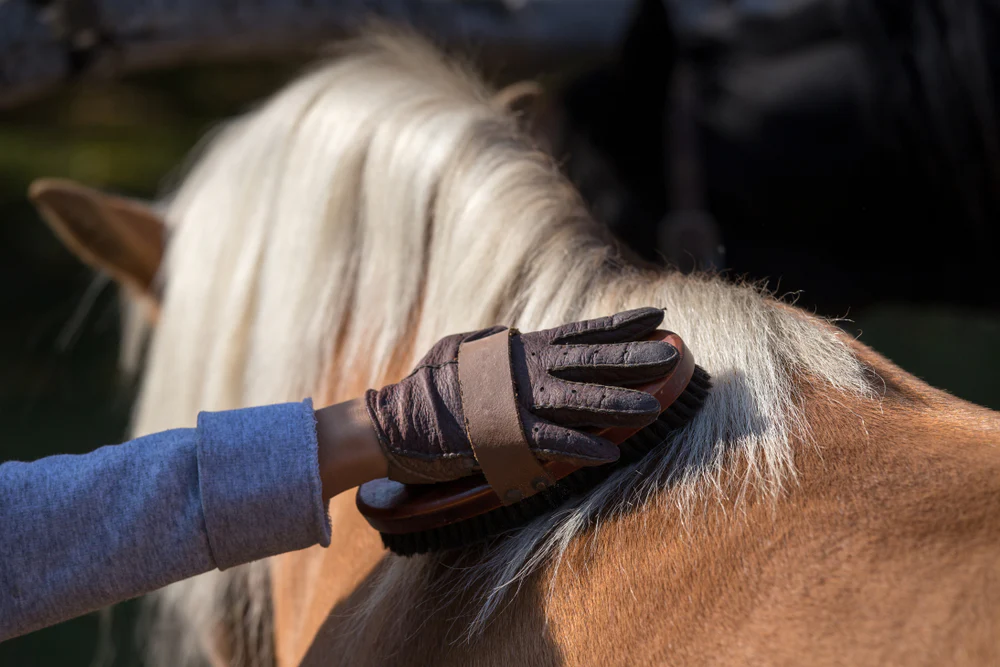
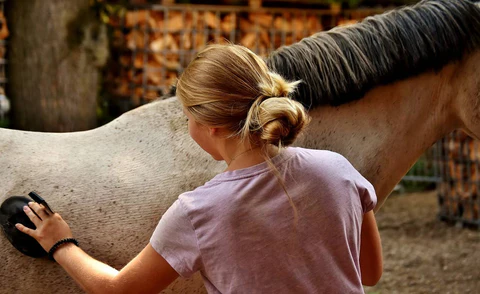
Evening is an ideal time for a quick grooming session and a thorough health check. Brushing away dust, sweat, or mud not only keeps your horse comfortable but also gives you a chance to inspect for injuries, swelling, or signs of discomfort. Pay attention to legs, hooves, and any areas prone to rubs or sores.
- Brush the coat to remove dirt and promote circulation.
- Pick out hooves and check for stones, cracks, or thrush.
- Look for cuts, bumps, or heat in the legs and body.
- Apply liniment or other topical treatments as needed.
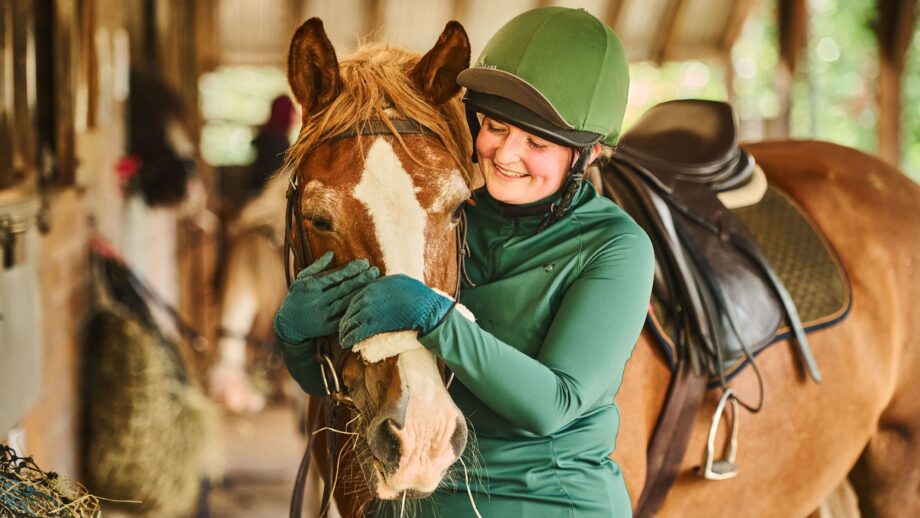
Regular grooming in the evening helps maintain a healthy coat and strengthens the bond between horse and handler. For those looking to upgrade their grooming tools, consider options like the Weaver Horse Grooming Kit for efficiency and comfort.
Stable Preparation and Safety Checks
Before leaving the barn for the night, it’s important to make sure the environment is safe and comfortable. This includes checking stall bedding, securing doors and gates, and removing any hazards. A well-prepared stable reduces the risk of overnight injuries or escapes.
- Fluff or add bedding to ensure a dry, cushioned surface.
- Remove manure and wet spots from stalls.
- Check fencing, stall doors, and latches for security.
- Ensure aisles and walkways are clear of tools or obstacles.
- Set up fans or adjust blankets according to weather conditions.
Taking a few extra minutes to walk through the stable and paddock area can prevent accidents and provide peace of mind overnight.
Preparing for the Next Morning
A proactive approach to stable management includes preparing for the following day. Setting out morning feed, organizing tack, and making note of any special care instructions can streamline your morning routine and ensure nothing is overlooked.
- Pre-measure grain or supplements for the morning feeding.
- Lay out halters, lead ropes, and grooming supplies.
- Record any health observations or medication needs in a stable log.
- Double-check that all horses are accounted for and comfortable.
This level of organization not only saves time but also supports consistent care, especially if multiple people share stable duties.
Adjusting the Routine for Seasons and Special Needs
While the basic structure of an evening horse care routine remains the same, adjustments may be necessary based on weather, horse age, or health status. In winter, extra bedding and blanketing may be required, while summer routines might focus on fly control and hydration. Horses with medical conditions or those recovering from injury may need additional monitoring or treatments.
Always tailor your approach to the specific needs of your horses, and consult with your veterinarian for guidance on special care requirements.
Common Mistakes to Avoid in Nighttime Horse Care
Even experienced horse owners can overlook important details during evening chores. Some common pitfalls include:
- Forgetting to check water levels or leaving buckets dirty.
- Neglecting to inspect hooves or minor injuries.
- Leaving feed or supplements unsecured, leading to overeating.
- Overlooking loose boards, open gates, or tripping hazards in the stable.
- Failing to adjust routines for extreme weather or special needs.
Staying attentive and methodical helps prevent these issues and ensures your horses remain healthy and safe overnight.
FAQ: Evening Stable Management
What time should I start my evening stable routine?
The ideal time depends on your schedule and the needs of your horses, but most caretakers begin their end-of-day tasks about an hour before dusk. This allows enough daylight to complete chores and observe horses in natural light.
How often should I check water and feed at night?
Water and feed should be checked every evening as part of your routine. In hot weather or if a horse is unwell, consider a late-night check to ensure hydration and comfort.
Do all horses need blankets overnight?
Not every horse requires blanketing. Factors such as coat thickness, age, health, and stable conditions influence this decision. Consult your veterinarian or equine professional for guidance tailored to your horse’s needs.
How can I make my evening routine more efficient?
Organize supplies ahead of time, use pre-measured feed containers, and maintain a checklist for daily tasks. Consistency and preparation help streamline chores and reduce the risk of missing important steps.
Conclusion
A thoughtful, consistent approach to end-of-day stable care ensures horses are comfortable, healthy, and ready for the night. By following a structured evening horse care routine, you support your horse’s wellbeing and create a safe, welcoming environment. Remember to adjust your process as needed for seasonal changes or individual needs, and always stay attentive to your horse’s health and comfort.