
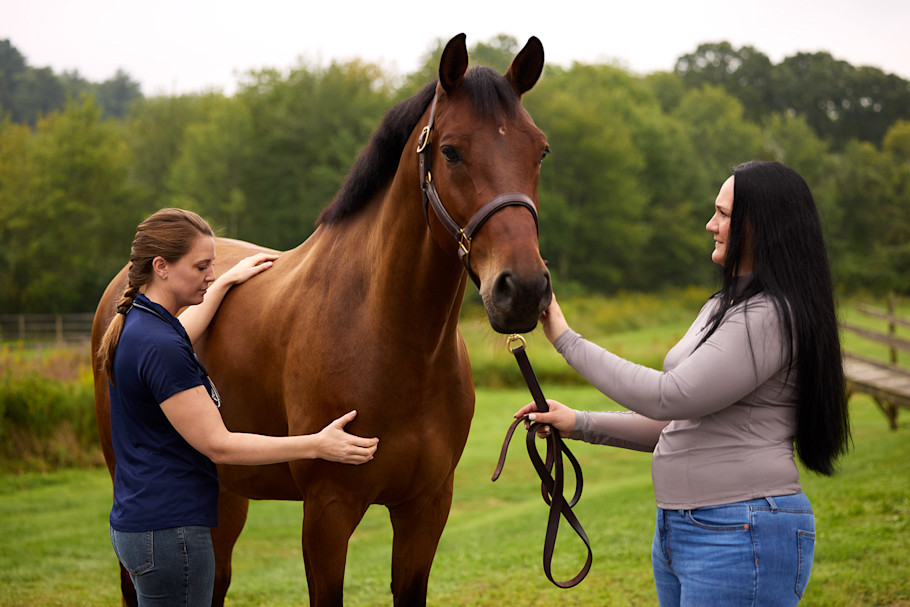
Keeping horses safe and healthy is a top priority for every owner, trainer, and stable manager. Horses are naturally active and curious animals, which makes them susceptible to a variety of injuries, both in the stable and out in the pasture. By following practical horse injury prevention tips, you can significantly reduce the risk of accidents and help your horse enjoy a long, healthy life.
From daily routines to stable design and regular health checks, there are many ways to create a safer environment for your equine companions. This article covers essential strategies, including proper grooming, safe turnout practices, and the importance of regular veterinary care. For a comprehensive overview of daily, weekly, and yearly responsibilities in horse care, you can refer to this comprehensive guide to horse care.
Stable Safety: Foundations of Preventing Horse Injuries
A well-designed and maintained stable is the first line of defense against common accidents. Horses spend a significant amount of time in their stalls, so it’s crucial to ensure the environment is as safe as possible. Here are some foundational horse injury prevention tips for your stable:
- Inspect stalls regularly: Check for protruding nails, broken boards, or sharp edges that could cause cuts or scrapes.
- Non-slip flooring: Use rubber mats or textured surfaces to prevent slipping, especially in wash bays and entryways.
- Secure doors and latches: Ensure all gates and stall doors close securely to prevent escapes and accidental injuries.
- Proper lighting: Well-lit aisles and stalls reduce the risk of horses spooking or stumbling.
- Safe storage: Keep feed, tools, and cleaning supplies out of reach to avoid ingestion or entanglement.
Turnout and Pasture Management for Injury Prevention
Allowing horses time outdoors is essential for their physical and mental well-being, but turnout areas can also present hazards. Effective pasture management is a key component of any horse injury prevention tips list:
- Regular fence checks: Inspect fencing for loose boards, broken wires, or gaps that could trap a hoof or head.
- Remove debris: Clear pastures of rocks, branches, and other objects that could cause tripping or puncture wounds.
- Monitor herd dynamics: Introduce new horses gradually and observe interactions to prevent bites, kicks, or bullying.
- Safe footing: Avoid turnout in excessively muddy or icy conditions, which can lead to slips and falls.
- Shelter access: Provide shade and windbreaks to protect horses from extreme weather, reducing stress and the risk of weather-related injuries.
Daily Routines: Grooming and Hoof Care for Injury Reduction
Consistent grooming and hoof care are vital for spotting early signs of injury and preventing common problems. Here’s how regular attention can help keep your horse safe:
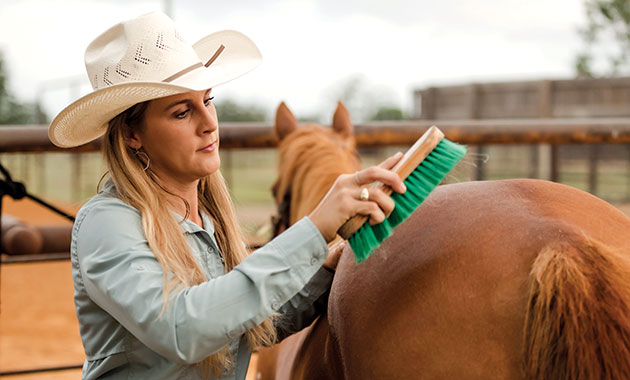
- Thorough grooming: Use grooming sessions to check for cuts, swelling, heat, or signs of discomfort. Early detection allows for prompt treatment.
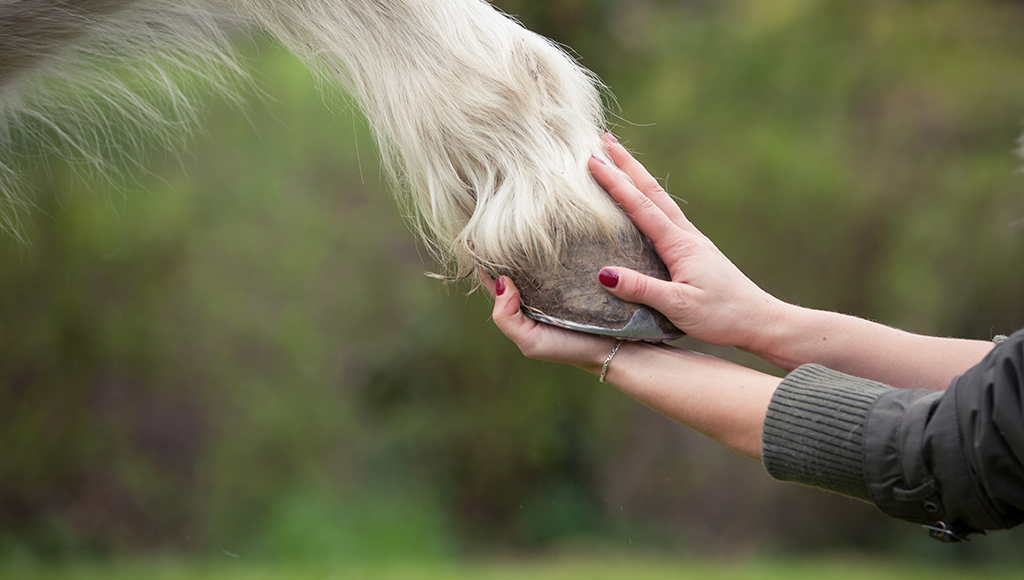
- Hoof picking: Clean hooves daily to remove stones, dirt, and debris that could cause bruising or abscesses.
- Farrier visits: Schedule regular trims or shoeing every 6–8 weeks to maintain proper hoof balance and prevent lameness.
- Check for loose shoes: Address loose or missing shoes immediately to avoid tripping or hoof damage.
- Monitor for thrush: Keep hooves dry and clean to prevent bacterial infections.
Nutrition and Hydration: Supporting a Healthy, Injury-Resistant Horse
Proper nutrition and hydration are often overlooked aspects of horse injury prevention tips. A well-balanced diet helps maintain strong bones, muscles, and hooves, reducing the likelihood of strains and other injuries.
- Provide clean, fresh water: Ensure horses have access to water at all times to prevent dehydration, which can contribute to muscle cramps and colic.
- Balanced feed: Offer a diet appropriate for your horse’s age, workload, and health status. Consult with an equine nutritionist if needed.
- Monitor body condition: Adjust feed as necessary to maintain a healthy weight, as both underweight and overweight horses are at increased risk for injury.
- Supplement wisely: Use supplements to address specific deficiencies, but avoid over-supplementation which can cause imbalances.
Veterinary Care and Emergency Preparedness
Regular veterinary check-ups and having an emergency plan in place are essential for minimizing the impact of injuries when they do occur. Proactive health management is a cornerstone of any effective injury prevention strategy:
- Annual wellness exams: Schedule routine physicals to catch health issues before they become serious.
- Vaccinations and deworming: Keep up-to-date with recommended vaccines and parasite control to prevent illness-related injuries.
- First aid kit: Maintain a well-stocked kit with bandages, antiseptics, and other essentials for immediate care.
- Emergency contacts: Post veterinarian and farrier contact information in a visible location.
- Know basic first aid: Learn how to handle common injuries such as cuts, strains, or colic until professional help arrives.
Training, Handling, and Safe Equipment Use
Proper training and the use of safe, well-fitted equipment are crucial for reducing the risk of accidents during handling and riding. Here are some important considerations:
- Consistent training: Teach horses to respect boundaries and respond calmly to commands, reducing the chance of panic or resistance.
- Safe leading practices: Always use a lead rope and never wrap it around your hand. Walk beside the horse, not in front or directly behind.
- Check tack regularly: Inspect saddles, bridles, and halters for wear and tear. Replace damaged equipment promptly.
- Proper fit: Ensure all gear fits correctly to avoid pinching, rubbing, or slipping, which can cause discomfort and lead to injury.
- Supervision: Never leave horses unattended while tied or tacked up.
Frequently Asked Questions
What are the most common causes of horse injuries in stables?
The most frequent causes include slips and falls on wet or uneven surfaces, injuries from sharp objects or protruding hardware, and accidents during turnout or handling. Regular inspections and maintenance can help prevent many of these incidents.
How often should I check my horse for signs of injury?
It’s best to check your horse daily, especially during grooming and hoof care routines. Early detection of cuts, swelling, or lameness allows for prompt treatment and can prevent minor issues from becoming serious.
What should be included in a basic equine first aid kit?
An effective first aid kit should contain bandages, sterile gauze, antiseptic solution, scissors, a thermometer, hoof pick, latex gloves, and emergency contact numbers. Having these supplies on hand ensures you can respond quickly to minor injuries.
By following these practical horse injury prevention tips and staying proactive with daily care, stable management, and veterinary support, you can greatly reduce the risk of accidents and keep your horse healthy and happy for years to come.