
Maintaining a healthy weight is essential for every horse’s wellbeing, performance, and longevity. Knowing how to assess your horse’s body condition is a fundamental skill for all equine caretakers, whether you’re a seasoned owner or just starting out. This horse body condition scoring guide offers a practical approach to evaluating your horse’s weight, helping you make informed decisions about nutrition, exercise, and veterinary care.
Body condition scoring (BCS) is a standardized method used by veterinarians and horse owners to estimate the amount of fat on a horse’s body. By learning to use this system, you can spot early signs of underweight or overweight conditions, adjust feeding programs, and support your horse’s overall health. For a broader perspective on equine care routines, you may also find value in this comprehensive guide to horse care that covers daily, weekly, monthly, and yearly responsibilities.
Understanding the Body Condition Scoring System
The most widely used system for assessing a horse’s body condition is the Henneke Body Condition Scoring System. This method assigns a score from 1 (poor/emaciated) to 9 (extremely fat), based on visual and tactile evaluation of specific body areas. The scoring focuses on six key locations:
- Neck
- Withers
- Shoulder
- Ribs
- Loin (back)
- Tailhead
Each area is examined for fat coverage, and the scores are averaged to determine the horse’s overall condition. A score of 4 to 6 is generally considered ideal for most horses, though individual needs may vary based on age, breed, and activity level.
Step-by-Step: How to Score Your Horse’s Body Condition
To accurately use a horse body condition scoring guide, follow these steps:
- Observe the Horse from a Distance: Stand back and look at your horse from the side and rear. Note the overall shape and any visible ribs, spine, or fat deposits.
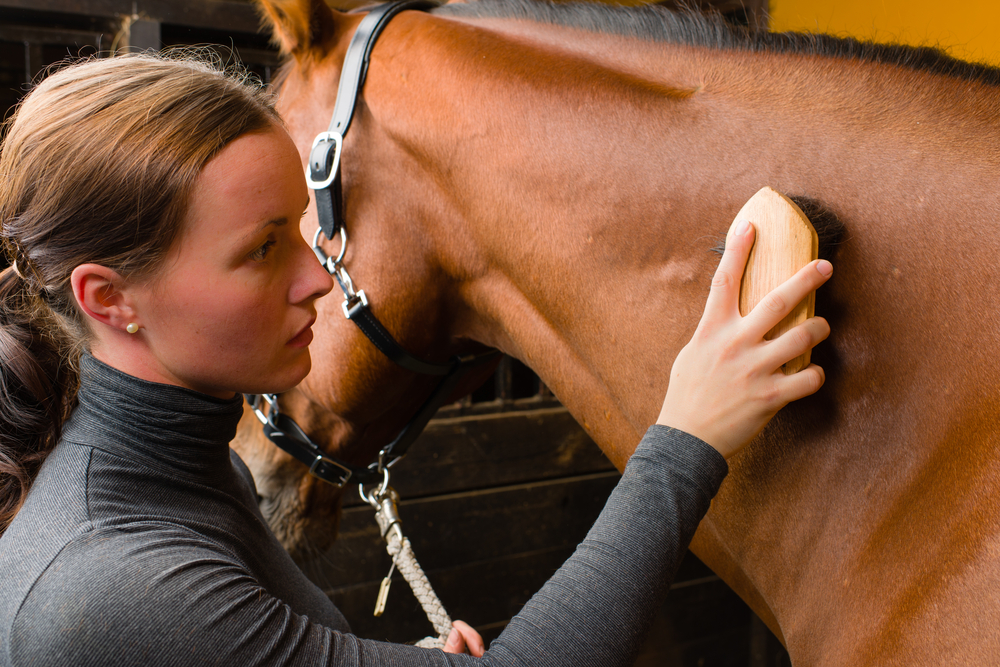
- Palpate Key Areas: Run your hands over the six scoring regions. This helps you feel fat coverage that may not be visible, especially under a thick coat.
-
Assign Scores: Use the following scale as a reference:
- 1-2: Very thin, with prominent bones and little to no fat.
- 3-4: Thin to moderately thin; ribs may be visible but not protruding.
- 5: Moderate; ribs can be felt but not seen, with a smooth appearance.
- 6-7: Fleshy to overweight; fat deposits become noticeable.
- 8-9: Obese; heavy fat deposits, difficult to feel ribs or spine.
- Average the Scores: Add up the scores for each region and divide by six to find the average.
Regularly scoring your horse—ideally every month—can help you track changes and intervene early if weight issues arise.

Why Regular Weight Assessment Matters
Consistent use of a body condition scoring system is more than just a routine—it’s a proactive approach to equine health. Horses that are too thin may lack energy, have reduced immunity, and be more prone to illness. On the other hand, overweight horses are at increased risk for laminitis, metabolic syndrome, and joint problems.
By monitoring your horse’s condition, you can:
- Adjust feeding and forage to meet changing needs
- Modify exercise routines for optimal fitness
- Detect early signs of health issues
- Work with your veterinarian to develop targeted care plans
Remember, changes in weight can happen gradually. Monthly scoring helps you catch trends before they become problems.
Common Mistakes When Evaluating Weight
Even experienced horse owners can make errors when assessing body condition. Here are some pitfalls to avoid:
- Relying Only on Visual Inspection: Thick coats or certain conformations can hide fat or thinness. Always use your hands as well as your eyes.
- Ignoring Breed Differences: Some breeds naturally carry more or less fat. Compare your horse to others of similar type, not just the general population.
- Overlooking Subtle Changes: Small increases or decreases in fat may go unnoticed without regular, systematic scoring.
- Not Adjusting for Age or Activity: Senior horses and those in heavy work may have different ideal scores.
Developing a consistent method and keeping records will help you avoid these common mistakes.
Tips for Maintaining a Healthy Weight
Once you’ve assessed your horse’s condition, it’s important to take action to maintain or achieve a healthy score. Here are some practical tips:
- Feed for Condition, Not Just Activity: Adjust rations based on your horse’s current score, not just workload.
- Provide Quality Forage: Good hay or pasture should form the basis of most horses’ diets.
- Monitor Body Condition Regularly: Make monthly scoring part of your routine.
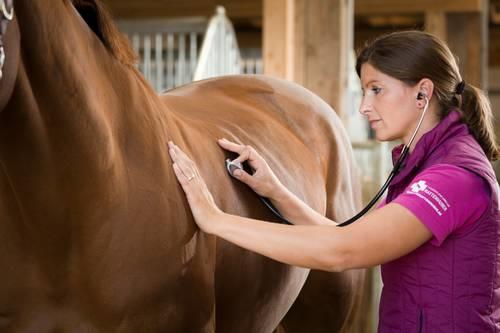
- Work with Professionals: Consult your veterinarian or an equine nutritionist for tailored advice.
- Encourage Regular Exercise: Movement helps maintain muscle and burn excess calories.
Remember, sudden changes in weight can signal underlying health issues. Always investigate unexplained weight loss or gain with your vet.
Frequently Asked Questions
How often should I use a body condition scoring system on my horse?
It’s best to assess your horse’s body condition every month. This allows you to track trends and make timely adjustments to diet or exercise. More frequent checks may be needed for horses with health concerns or those undergoing dietary changes.
What is the ideal body condition score for most horses?
For most adult horses, a score between 4 and 6 on the Henneke scale is considered healthy. However, individual needs can vary based on breed, age, and activity level. Consult your veterinarian for guidance specific to your horse.
Can I use this scoring method for ponies or donkeys?
Yes, the same principles apply to ponies and donkeys, but be aware that their fat distribution may differ from horses. Adjust your expectations and consult resources specific to these animals if needed.
What should I do if my horse’s score is too high or too low?
If your horse is underweight, review their diet for adequate calories and check for health issues such as dental problems or parasites. For overweight horses, reduce high-calorie feeds, increase exercise, and consult your vet for a safe weight loss plan.
Conclusion
Learning to evaluate your horse’s weight using a structured horse body condition scoring guide is a valuable skill that supports responsible horse ownership. By regularly assessing and recording your horse’s condition, you can make proactive decisions that enhance their health, comfort, and performance. Stay observant, keep good records, and collaborate with equine professionals to ensure your horse thrives year-round.