

Maintaining healthy muscles is essential for every horse, whether they’re a competition athlete or a beloved companion. Proper muscle care not only supports performance and comfort but also helps prevent injuries and long-term issues. This guide offers practical horse muscle care tips to address soreness, promote recovery, and keep your equine partner feeling their best.
From daily routines to targeted therapies, understanding the basics of muscle health can make a significant difference. If you’re looking for a broader overview of equine wellness routines, the comprehensive guide to horse care covers daily, weekly, and yearly responsibilities for horse owners.
Understanding Equine Muscle Soreness
Muscle soreness in horses can result from intense exercise, improper warm-up or cool-down, poor saddle fit, or even underlying health conditions. Recognizing the signs early allows for timely intervention and reduces the risk of chronic problems. Common indicators include:
- Stiffness or reluctance to move
- Swelling or heat in muscle areas
- Changes in gait or performance
- Sensitivity to touch or grooming
By observing your horse’s behavior and physical condition, you can quickly spot when something isn’t right and take action to support their recovery.
Daily Horse Muscle Care Routines
Consistent daily habits are the foundation of effective horse muscle care. These routines help prevent soreness and keep your horse’s muscles in optimal condition:
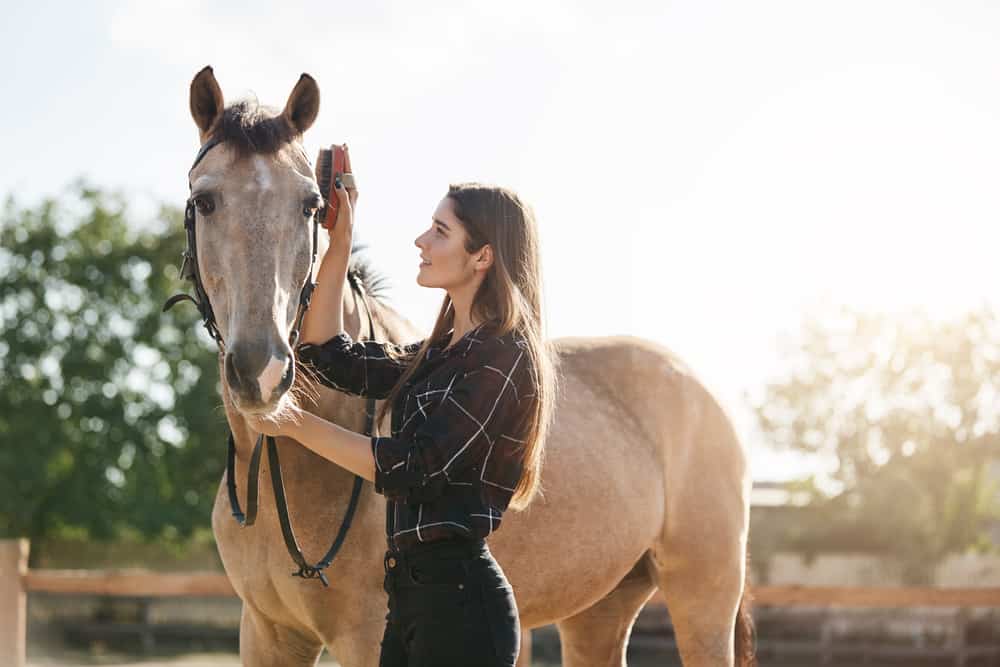
- Proper Grooming: Regular brushing stimulates circulation and helps you detect any muscle tension or heat. Use a variety of brushes to reach different muscle groups.
- Warm-Up and Cool-Down: Always start rides with a gradual warm-up and end with a cool-down period. This prepares muscles for work and aids in recovery.
- Hydration: Ensure your horse has constant access to clean water. Dehydration can lead to muscle cramps and stiffness.
- Balanced Nutrition: Feed a diet rich in quality protein, vitamins, and minerals to support muscle repair and growth.
- Turnout Time: Allowing your horse time to move freely in a paddock or pasture encourages natural stretching and muscle relaxation.
Relieving Muscle Soreness in Horses
When your horse shows signs of discomfort, prompt and appropriate care can speed up recovery and prevent further issues. Here are some proven strategies for relieving muscle soreness:
- Massage Therapy: Gentle massage helps increase blood flow, reduce tension, and promote relaxation. Focus on large muscle groups and avoid areas of acute pain or swelling.
- Topical Liniments and Gels: Applying liniments can provide a cooling or warming effect, easing muscle aches. Always follow product instructions and monitor for skin reactions.
- Cold Therapy: For acute soreness or swelling, cold hosing or ice packs can reduce inflammation. Limit sessions to 15–20 minutes at a time.
- Rest and Light Exercise: Allow your horse time off from strenuous activity, but encourage gentle movement to prevent stiffness.
- Stretching: Incorporate passive stretches into your grooming routine to maintain flexibility and reduce tightness.
If soreness persists for more than a few days, or if your horse shows severe discomfort, consult a veterinarian to rule out underlying injuries or conditions.
Advanced Recovery Techniques for Equine Athletes
For horses in regular training or competition, advanced recovery methods can enhance muscle health and performance. Consider integrating these techniques into your routine:
- Therapeutic Modalities: Tools like magnetic blankets, laser therapy, or ultrasound can support muscle recovery. Use these under professional guidance.
- Professional Bodywork: Equine massage therapists and chiropractors can address deeper muscle imbalances and improve mobility.
- Supplements: Certain supplements, such as amino acids, vitamin E, and selenium, support muscle repair. Always consult your vet before adding new products to your horse’s diet.
- Cross-Training: Varying your horse’s exercise routine helps develop different muscle groups and prevents overuse injuries.
Combining these advanced options with daily care routines creates a comprehensive approach to muscle wellness.

Preventing Muscle Injuries in Horses
Prevention is always better than cure when it comes to muscle health. Here are practical steps to minimize the risk of muscle injuries:
- Gradual Conditioning: Increase exercise intensity and duration slowly to allow muscles to adapt.
- Monitor Saddle Fit: Ill-fitting tack can cause muscle soreness and even long-term damage. Regularly check your saddle and pads for proper fit.
- Routine Vet Checks: Schedule regular veterinary exams to catch potential issues before they become serious.
- Observe Movement: Watch for subtle changes in your horse’s gait or posture, which may indicate early muscle fatigue or discomfort.
- Consistent Care: Stick to a regular schedule for grooming, exercise, and rest to maintain muscle balance and health.
When to Seek Professional Help
While most muscle soreness can be managed with home care, certain situations require veterinary attention. Contact your vet if you notice:
- Persistent or severe lameness
- Swelling that does not subside
- Loss of appetite or changes in behavior
- Signs of systemic illness, such as fever
Prompt diagnosis and treatment can prevent minor issues from escalating into more serious conditions.
Frequently Asked Questions
What are the best ways to prevent muscle soreness in horses?
Consistent warm-up and cool-down routines, proper grooming, balanced nutrition, and gradual increases in exercise intensity are key to preventing muscle soreness. Ensuring your horse has adequate turnout and hydration also plays a significant role.
How can I tell if my horse has a muscle injury or just soreness?
Muscle soreness usually presents as mild stiffness or reluctance to move, while injuries may cause severe lameness, swelling, or heat. If symptoms persist or worsen, consult a veterinarian for a thorough evaluation.
Are supplements necessary for muscle recovery?
Supplements can support muscle recovery, especially for horses in heavy work. However, they should complement a balanced diet and be introduced under veterinary guidance to avoid imbalances or adverse effects.
Conclusion
Supporting your horse’s muscle health is a daily commitment that pays off in comfort, performance, and long-term well-being. By following these horse muscle care tips—from routine grooming to advanced therapies—you can help your equine partner recover from soreness, avoid injuries, and enjoy an active, happy life.