
Early detection of health issues in horses is crucial for their well-being and longevity. Horses are naturally stoic animals, often masking discomfort or sickness until symptoms become severe. For horse owners and caretakers, understanding how to recognize subtle changes can make a significant difference in outcomes. This guide covers the most important indicators to watch for, practical steps to take, and expert advice for maintaining equine health.
Developing a keen eye for the spotting early signs of illness in horses not only helps prevent complications but also fosters a stronger bond between you and your animal. By observing daily routines and knowing what is normal for your horse, you’ll be better equipped to notice when something is amiss. For a comprehensive overview of responsible equine management, consider reviewing this guide to proper horse management for additional insights.
Why Early Detection Matters for Equine Health
Identifying health problems in their initial stages can dramatically improve a horse’s prognosis. Prompt intervention often means less invasive treatments, lower veterinary costs, and a faster return to normal activity. Horses that receive timely care for minor issues are less likely to develop chronic conditions or suffer from preventable complications.
Because horses are prey animals, they instinctively hide signs of weakness. This makes it even more important for caretakers to be proactive and attentive. Regular observation and a solid understanding of your horse’s baseline behavior and appearance are essential for effective monitoring.
Common Early Indicators of Illness in Horses
There are several key symptoms that may signal the onset of health issues. While some signs are obvious, others are more subtle and require close attention. Here are the most frequent early warning signals:
- Changes in Appetite or Water Intake: A sudden decrease or increase in eating or drinking can indicate digestive problems, dental issues, or systemic illness.
- Lethargy or Decreased Activity: If your horse seems less energetic or reluctant to move, it could be a sign of pain, fever, or infection.
- Altered Behavior: Restlessness, irritability, or withdrawal from herd mates may point to discomfort or distress.
- Abnormal Posture or Movement: Stiffness, limping, or an unusual stance can be early signs of lameness or musculoskeletal problems.
- Changes in Manure or Urine: Diarrhea, constipation, or changes in urine color and frequency warrant immediate attention.
- Respiratory Changes: Coughing, nasal discharge, or labored breathing may indicate respiratory infections or allergies.
- Skin and Coat Condition: Dull coat, excessive sweating, or unexplained hair loss can signal underlying health issues.
Monitoring Vital Signs: What to Check Regularly
Consistent monitoring of your horse’s vital signs is a practical way to catch health problems early. Here’s what you should know:
| Vital Sign | Normal Range (Adult Horse) | What to Watch For |
|---|---|---|
| Temperature | 99–101°F (37.2–38.3°C) | Fever or hypothermia |
| Pulse | 28–44 beats per minute | Rapid or weak pulse |
| Respiratory Rate | 8–16 breaths per minute | Labored or shallow breathing |
| Gum Color | Pale pink, moist | Pale, blue, or dry gums |
| Capillary Refill Time | 1–2 seconds | Delayed refill (>2 seconds) |
It’s helpful to record these readings regularly so you know what’s normal for your horse. Any significant deviation should prompt a closer look or a call to your veterinarian.
Behavioral Clues That Shouldn’t Be Ignored
Behavioral changes are often the first indication that something is wrong. Horses may become unusually quiet, aggressive, or anxious. Some may isolate themselves from the herd, while others might seek more attention from their handlers. Watch for:
- Unwillingness to be caught or handled
- Frequent lying down or rolling
- Head shaking or rubbing against objects
- Sudden spooking or jumpiness
These changes can be subtle but are important cues in spotting early signs of illness in horses. Trust your instincts—if your horse doesn’t seem like themselves, it’s worth investigating further.
Practical Steps for Daily Horse Health Checks
Incorporating a quick health check into your daily routine can help you notice problems before they escalate. Here’s a simple checklist:
- Observe your horse’s general demeanor and movement as you approach.
- Check for any swelling, cuts, or heat in the legs and body.
- Look at the eyes and nostrils for discharge or cloudiness.
- Monitor eating and drinking habits during feeding times.
- Inspect manure and urine for consistency and color.
- Run your hands over the coat to feel for lumps, bumps, or sensitivity.
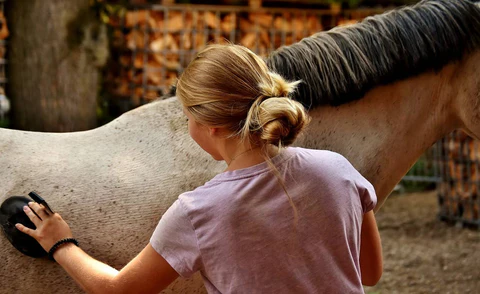
Regular grooming is also a valuable opportunity to spot changes in skin, coat, or muscle tone. Using quality grooming tools and products can make this process more effective and enjoyable for both you and your horse.
When to Call the Veterinarian
Some symptoms require immediate veterinary attention. Contact your vet if you notice:
- High fever (over 102°F/39°C)
- Severe lameness or inability to stand
- Colic symptoms (rolling, pawing, sweating, looking at the flank)
- Profuse diarrhea or persistent constipation
- Labored breathing or persistent cough
- Unexplained bleeding or wounds that won’t stop bleeding
When in doubt, it’s always better to err on the side of caution. Early intervention can prevent minor issues from becoming life-threatening emergencies.
Frequently Asked Questions
What are the most common early warning signs of illness in horses?
The most frequent early indicators include changes in appetite, lethargy, abnormal behavior, altered manure or urine, and subtle shifts in posture or movement. Monitoring these signs daily helps catch problems before they worsen.
How often should I check my horse’s vital signs?
It’s a good practice to check vital signs such as temperature, pulse, and respiratory rate at least once a week when your horse is healthy. If you suspect illness, monitor these parameters daily and keep a record for your veterinarian.
Can grooming help detect health issues early?
Yes, regular grooming allows you to closely inspect your horse’s skin, coat, and body for abnormalities. It’s an excellent way to spot lumps, heat, swelling, or sensitivity that might otherwise go unnoticed.
Conclusion
Being attentive to your horse’s normal habits and appearance is the foundation of effective health management. By learning how to recognize and respond to subtle changes, you can ensure prompt care and support your horse’s long-term well-being. Remember, early detection is key to preventing serious complications and keeping your equine companion healthy and happy.