

Creating a safe environment for horses is a top priority for every responsible owner. Well-maintained pastures not only support your horse’s health but also prevent injuries and costly emergencies. By following practical horse pasture safety tips, you can minimize risks, promote well-being, and ensure your fields are truly hazard-proof. This guide covers essential steps, from fencing and toxic plant management to regular inspections and grooming routines, to help you keep your equine companions safe and secure.
For a comprehensive overview of equine care and best practices, you can refer to this detailed guide to proper horse management.
Why Pasture Safety Matters for Horses
Pastures are more than just grazing spaces—they are where horses exercise, socialize, and spend much of their time. Unsafe conditions can lead to injuries, illness, or even fatal accidents. By implementing equine field safety measures, you protect your horses from avoidable harm and create a stress-free environment for both animals and caretakers.
Inspecting and Maintaining Fencing
Secure fencing is the backbone of any safe horse pasture. Broken boards, sagging wires, or protruding nails can cause cuts, entanglements, or escapes. To ensure your fencing is up to standard:
- Walk the perimeter weekly to check for damage or weak spots.
- Repair or replace any broken rails, posts, or wires immediately.
- Use horse-safe materials such as wood, vinyl, or mesh designed for equine use.
- Keep gates latched and free of sharp edges.
Regular maintenance prevents injuries and keeps horses contained, reducing the risk of accidents or escapes.
Identifying and Removing Toxic Plants
Many common plants are poisonous to horses. Even small amounts can cause serious health issues. To safeguard your herd:
- Learn to recognize toxic species such as ragwort, yew, bracken, buttercups, and foxglove.
- Walk your fields regularly, especially in spring and summer, to spot and remove harmful plants.
- Dispose of pulled plants away from grazing areas to prevent accidental ingestion.
- Consult your veterinarian or local agricultural extension for a list of regional toxic plants.
Staying vigilant about plant hazards is a key part of horse pasture safety tips and helps prevent poisoning incidents.
Managing Water Sources and Mud
Clean, accessible water is essential for horse health, but water sources can also pose risks. Stagnant ponds, muddy banks, or icy troughs can lead to slips, infections, or dehydration. To keep water safe:
- Check troughs and buckets daily for cleanliness and refill as needed.
- Prevent mud build-up by rotating feeding and watering spots or installing gravel in high-traffic areas.
- Fence off natural water bodies if they are deep, contaminated, or have steep banks.
- In winter, break ice regularly to ensure horses can drink.
Proper water management is a crucial part of any safe grazing environment.
Controlling Weeds and Debris
Weeds, trash, and debris can cause injuries or digestive problems if ingested. Keep your pastures clean by:
- Regularly mowing to control weed growth and encourage healthy grass.
- Picking up fallen branches, wire, glass, or other foreign objects.
- Removing old fencing materials, baling twine, or plastic that could be ingested or cause entanglement.
Maintaining a tidy field supports both pasture health and horse safety.
Providing Adequate Shelter and Shade
Horses need protection from extreme weather, including sun, wind, and rain. Ensure your pasture includes:
- Sturdy field shelters or run-in sheds for shade and weather protection.
- Trees or hedges for natural shade, ensuring they are non-toxic and well-maintained.
- Windbreaks to shield horses from cold drafts in winter.
Access to shelter reduces stress and helps prevent heatstroke, sunburn, or cold-related illnesses.
Safe Group Management and Rotational Grazing
Pasture injuries often occur when horses are overcrowded or poorly matched. To minimize risks:
- Group horses by temperament and size to avoid bullying or fighting.
- Introduce new horses gradually and monitor interactions closely.
- Use rotational grazing to prevent overgrazing, reduce parasite loads, and allow grass recovery.
- Provide enough space per horse—ideally at least 1–2 acres each, depending on climate and pasture quality.
Thoughtful herd management is a cornerstone of effective horse pasture safety tips.
Routine Health Checks and Grooming
Regularly checking your horses for injuries, parasites, or signs of illness is vital for early intervention. Grooming also helps you spot problems before they escalate. Key steps include:
- Inspect legs, hooves, and bodies for cuts, swelling, or heat daily.
- Check for ticks, bot eggs, or skin irritations during grooming sessions.
- Keep grooming tools clean and store them safely away from the pasture.
- Consult your veterinarian for a deworming and vaccination schedule tailored to your region.
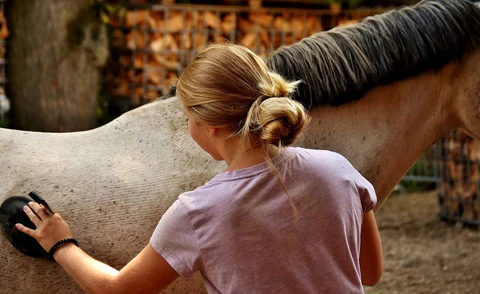
Consistent grooming and health checks are simple yet powerful ways to keep your horses safe and healthy.
Regular Pasture Inspections and Record Keeping
Routine inspections help you catch hazards early and track maintenance needs. Consider keeping a pasture log to record:
- Dates and findings of fence checks, plant removal, and repairs
- Weather events that may affect field conditions
- Health issues or injuries observed in the herd
Documenting your efforts not only helps with organization but also provides valuable information for veterinarians or future caretakers.
Frequently Asked Questions
What are the most common hazards found in horse pastures?
Typical hazards include broken fencing, toxic plants, sharp debris, unsafe water sources, and overcrowding. Regular inspections and prompt maintenance are the best ways to address these issues.
How often should I check my pastures for safety?
It’s recommended to walk your fields at least once a week, and after storms or high winds. Daily checks of water, gates, and visible hazards are also important for ongoing safety.
Can horses safely graze in fields with natural ponds or streams?
Natural water sources can be risky if they are deep, contaminated, or have unstable banks. It’s best to fence off dangerous areas and provide fresh, clean water in troughs to prevent accidents and illness.
Conclusion
Implementing these horse pasture safety tips will help you create a secure, healthy environment for your horses. By staying proactive with fencing, plant management, water safety, and regular inspections, you can prevent most common accidents and ensure your animals thrive. Remember, a safe pasture is the foundation of happy, healthy horses and peace of mind for every owner.