
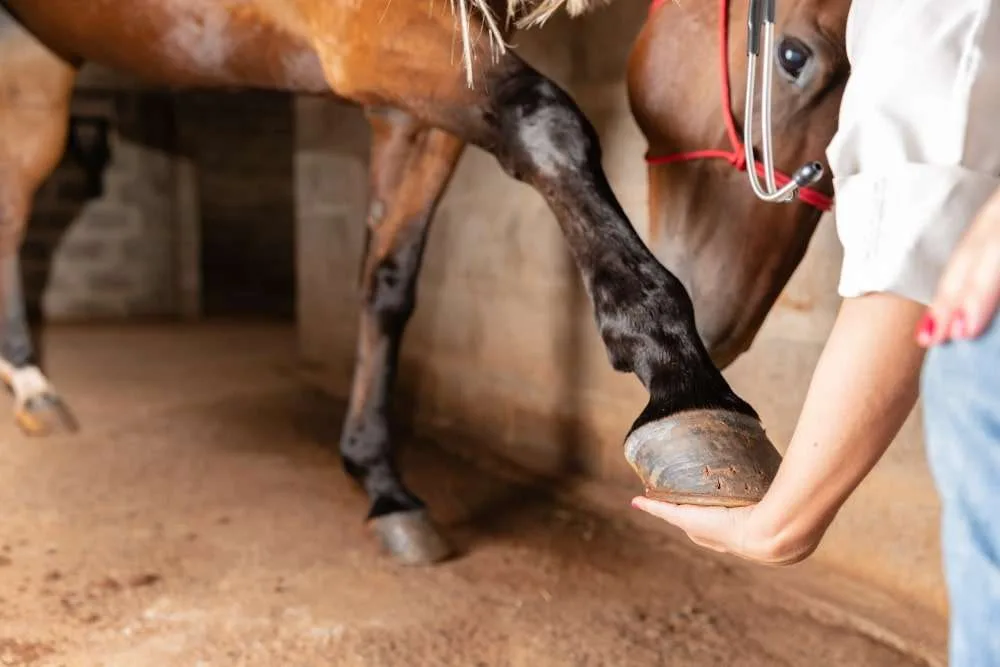
Understanding your horse’s behavior is essential for maintaining their health, safety, and well-being. Subtle shifts in attitude, appetite, or movement can be early indicators of discomfort, illness, or stress. By practicing horse behavior monitoring, owners and caretakers can quickly identify changes and address potential problems before they escalate. This guide explores practical methods for observing horses, common warning signs, and actionable steps to support equine welfare.
Whether you’re a new horse owner or an experienced handler, learning to interpret behavioral cues helps foster a stronger bond and ensures your horse’s needs are met. For a comprehensive overview of responsible equine care, you might find the horse ownership basics guide especially useful as a reference.
Why Observing Equine Behavior Matters
Regular observation is the foundation of effective horse behavior monitoring. Horses are prey animals, and their instincts often drive them to hide signs of pain or distress. This makes it crucial for handlers to recognize even minor deviations from normal patterns. Early detection of behavioral changes can:
- Prevent minor issues from developing into serious health concerns
- Reduce the risk of injury to both horse and handler
- Enhance training outcomes and overall performance
- Strengthen trust and communication between horse and human
By making behavioral observation a daily habit, you create a baseline for what’s normal for each individual horse. This baseline is invaluable for quickly spotting when something is amiss.
Key Elements of Effective Horse Behavior Monitoring
To accurately assess your horse’s well-being, it’s important to pay attention to several aspects of their daily routine and demeanor. Here are the main components to focus on:
- Appetite and Water Intake: Sudden changes in eating or drinking habits can signal digestive issues, dental problems, or stress.
- Movement and Posture: Watch for stiffness, limping, reluctance to move, or changes in gait. These may indicate pain or injury.
- Social Interactions: Horses are social creatures. Withdrawal from herd mates, aggression, or excessive submission can point to discomfort or anxiety.
- Grooming and Coat Condition: A dull coat, excessive scratching, or lack of grooming may reveal underlying health issues.
- Vocalizations and Facial Expressions: Unusual noises, pinned ears, or tense facial muscles can be signs of stress or agitation.
Documenting these observations in a daily log can help you track patterns and provide valuable information to your veterinarian if concerns arise.
Common Behavioral Changes and What They Might Mean
Recognizing red flags early is a key benefit of diligent horse behavior monitoring. Some of the most common changes to watch for include:
- Sudden Aggression or Irritability: This can be a response to pain, hormonal changes, or environmental stressors.
- Lethargy or Depression: A normally energetic horse that becomes withdrawn may be fighting illness or injury.
- Restlessness or Repetitive Movements: Pacing, weaving, or stall walking often indicate boredom, anxiety, or discomfort.
- Changes in Elimination: Diarrhea, constipation, or changes in urination patterns may signal digestive or urinary tract issues.
- Loss of Appetite: Refusing feed or treats is a significant warning sign that should never be ignored.
If you notice any of these behaviors, it’s important to investigate further and consult with a veterinarian if the issue persists or worsens.
Tools and Techniques for Monitoring Horses
There are several practical methods and tools that can help you keep track of your horse’s behavior:
- Daily Visual Checks: Spend time observing your horse in their natural environment, both at rest and during activity.
- Behavior Logs: Maintain a written or digital record of daily observations, noting any deviations from the norm.
- Wearable Technology: Devices such as activity trackers or heart rate monitors can provide objective data on movement and physiological responses.
- Video Surveillance: Cameras in stalls or paddocks allow for remote monitoring and can be especially useful for horses with a history of health issues.
- Regular Grooming: Hands-on grooming sessions are an excellent opportunity to check for injuries, swelling, or sensitivity.
Combining these approaches ensures a comprehensive understanding of your horse’s physical and emotional state.
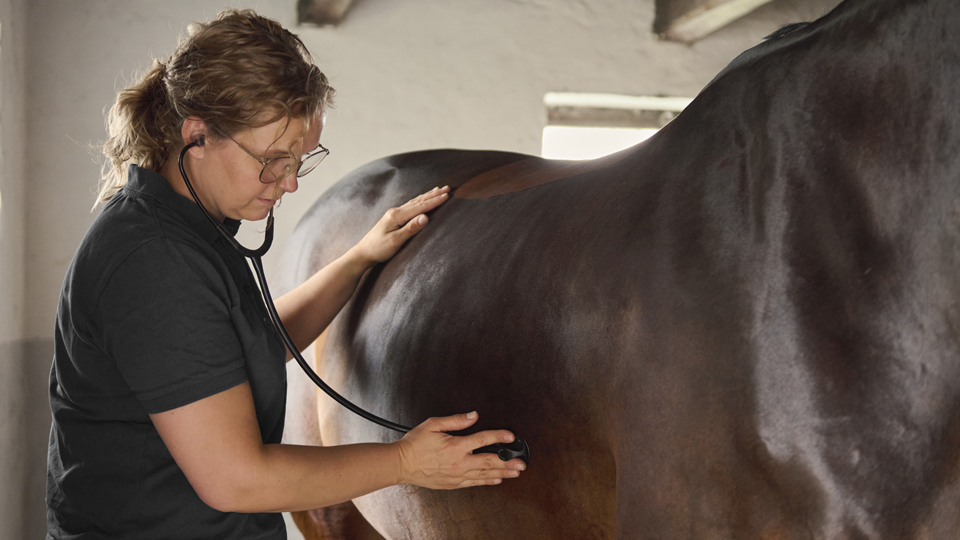
When to Seek Professional Help
While many behavioral changes can be managed with attentive care and minor adjustments, some situations require immediate veterinary attention. Seek help if you observe:
- Persistent or severe lameness
- Unexplained weight loss
- Signs of colic (rolling, pawing, looking at the flank)
- Sudden collapse or inability to stand
- Profuse sweating or labored breathing without exertion
Prompt intervention can make a significant difference in outcomes, so never hesitate to contact a professional if you are unsure about your horse’s condition.
Best Practices for Ongoing Equine Welfare
Consistent horse behavior monitoring is most effective when combined with proactive management strategies. Here are some tips to support your horse’s long-term health and happiness:
- Establish a regular routine for feeding, turnout, and exercise
- Provide a safe, comfortable living environment with adequate shelter and space
- Ensure access to clean water and high-quality forage
- Schedule routine veterinary, dental, and hoof care
- Encourage positive social interactions with other horses
- Stay informed about common equine health issues and preventive care
By integrating these practices with vigilant observation, you can help your horse thrive and minimize the risk of health complications.
Frequently Asked Questions
What are the most common signs of stress in horses?
Common indicators include restlessness, excessive sweating, changes in appetite, tail swishing, pinned ears, and avoidance behaviors. Horses may also develop repetitive actions like weaving or cribbing when stressed.
How often should I monitor my horse’s behavior?
Daily observation is recommended, especially during feeding, grooming, and exercise. Consistent monitoring helps you notice subtle changes and respond quickly to potential problems.
Can technology replace hands-on observation?
While wearable devices and cameras provide valuable data, they should complement—not replace—direct interaction and visual checks. Personal observation remains essential for understanding your horse’s unique behaviors and needs.