
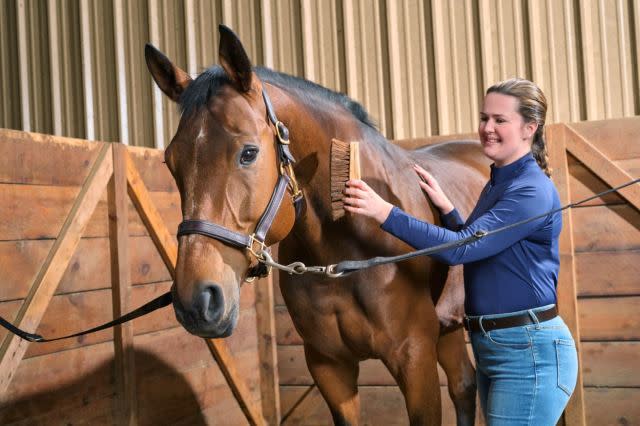
Understanding your horse’s health starts with knowing what’s normal. Horse vital signs monitoring is an essential skill for every equine owner, rider, and caretaker. By regularly checking your horse’s temperature, pulse, respiration, and other key indicators, you can quickly spot early warning signs of illness or distress. This guide covers the basics of monitoring, explains what’s normal for healthy horses, and offers practical tips for routine checks.
Whether you’re new to horse care or looking to refresh your knowledge, learning how to observe and interpret your horse’s vital signs is a cornerstone of responsible ownership. For a broader overview of equine care, you might find this beginner’s guide to horse care helpful as well.
Why Regular Checks Matter for Equine Health
Consistent observation of your horse’s vital signs can make a significant difference in their well-being. Early detection of abnormal readings allows for prompt veterinary intervention, which can prevent minor issues from becoming major health crises. Horses often mask symptoms of illness, so subtle changes in their vital signs may be the first indication that something is wrong.
Regular monitoring also helps you establish what’s normal for your individual horse. Every animal is unique, and knowing your horse’s baseline makes it easier to recognize when something is off. This proactive approach supports better outcomes and peace of mind for both you and your equine companion.
Key Parameters in Horse Vital Signs Monitoring
There are several core indicators to observe when assessing your horse’s health. Here are the primary vital signs to monitor:
- Temperature: The normal rectal temperature for adult horses ranges from 99.0°F to 101.5°F (37.2°C to 38.6°C). Foals may have slightly higher readings. Use a digital or veterinary thermometer for accuracy.
- Pulse (Heart Rate): A healthy adult horse’s resting heart rate is typically between 28 and 44 beats per minute. Foals and young horses have higher rates. You can check the pulse under the jaw, behind the elbow, or on the digital artery.
- Respiration Rate: Normal breathing rates for adult horses are 8 to 16 breaths per minute. Watch the horse’s flank or nostrils to count breaths, and note any labored or irregular breathing.
- Capillary Refill Time (CRT): Press your finger gently on the horse’s gum and release. The color should return within 1–2 seconds. Delayed CRT may indicate shock or dehydration.
- Mucous Membrane Color: Healthy gums are moist and pink. Pale, blue, or yellow gums can signal underlying health problems.
- Gut Sounds: Listen with a stethoscope or your ear pressed to the horse’s flank. A healthy digestive system produces regular gurgling noises. Absence or excess of gut sounds can indicate colic or other digestive issues.
How to Check Your Horse’s Vital Signs
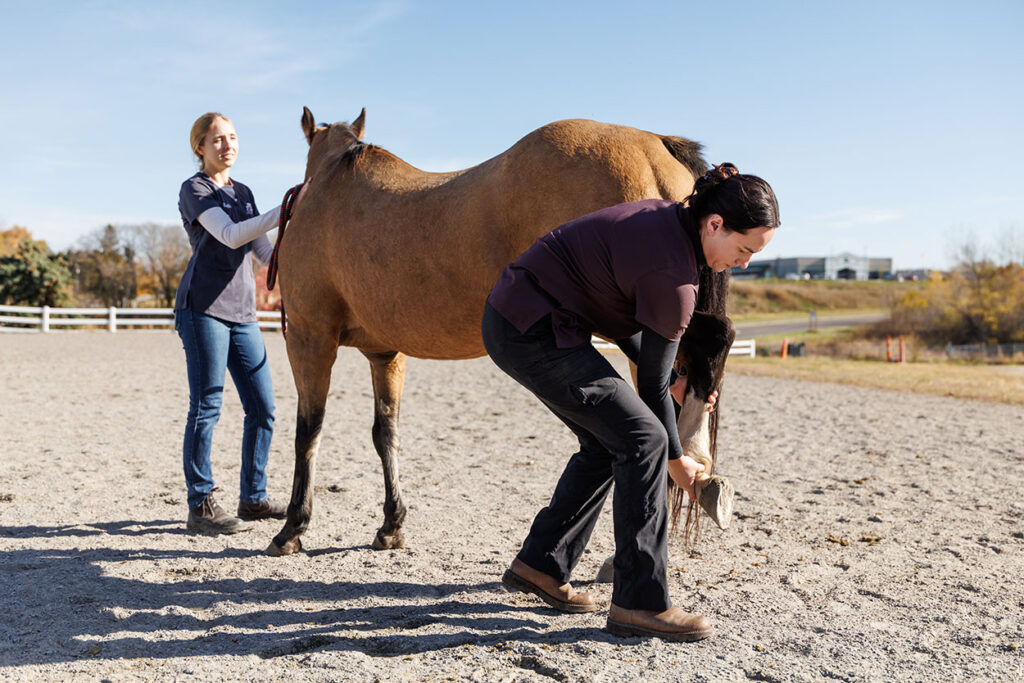
Performing routine checks doesn’t require advanced equipment, but it does require patience and practice. Here’s a step-by-step approach for each parameter:
- Temperature: Lubricate the thermometer, gently insert it into the rectum, and wait for the reading. Always stand to the side for safety.
- Pulse: Use your fingers (not your thumb) to feel for a pulse at the mandibular artery (under the jaw) or digital artery (inside the fetlock). Count beats for 15 seconds and multiply by four.
- Respiration: Observe the horse’s flank or nostrils. Count the number of breaths in 30 seconds and double it for the per-minute rate.
- Capillary Refill Time: Gently press the horse’s upper gum and release. Time how long it takes for the pink color to return.
- Mucous Membranes: Lift the upper lip and inspect the gums for color and moisture.
- Gut Sounds: Place a stethoscope or your ear against the abdomen, listening for regular gurgling noises on both sides.
Record your findings in a notebook or digital log. This baseline data is invaluable for comparison if your horse ever becomes unwell.
Recognizing Abnormal Signs
Knowing what’s normal is only half the equation. Being able to spot abnormal readings is just as important. Here are some red flags to watch for:
- Fever (temperature above 102°F/38.9°C)
- Rapid or irregular heartbeat
- Labored, shallow, or very rapid breathing
- Pale, blue, or yellow gums
- Capillary refill time longer than 2 seconds
- No gut sounds or excessive, loud gut noises
If you notice any of these signs, contact your veterinarian promptly. Early intervention can be lifesaving.
Tips for Stress-Free Monitoring
Making vital sign checks part of your routine helps your horse become comfortable with the process. Here are some tips for smooth, stress-free monitoring:
- Handle your horse gently and calmly to reduce anxiety.
- Check vital signs at the same time each day for consistency.
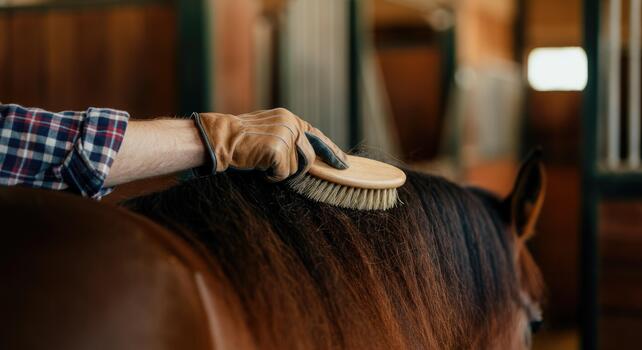
- Reward your horse with a treat or gentle grooming afterward.
- Practice during calm periods, not just when your horse is unwell.
- Keep your equipment clean and easily accessible.
Over time, your horse will become more relaxed during checks, making it easier to spot subtle changes in their health.
Common Tools for Monitoring Equine Health
Having the right tools on hand makes the process more accurate and efficient. Here are some essentials for your barn kit:
- Digital or veterinary thermometer
- Stethoscope for listening to heart, lungs, and gut
- Watch or timer for counting pulse and respiration
- Notebook or digital log for recording results
- Clean towels and gloves for hygiene
Investing in quality equipment ensures reliable readings and helps you maintain a thorough health record for your horse.
Integrating Monitoring Into Daily Horse Care
Vital sign checks should be part of your regular grooming and care routine. Not only does this help you catch problems early, but it also strengthens your bond with your horse. Grooming sessions are a perfect opportunity to observe your horse’s demeanor, check for injuries, and assess their overall condition.
For more comprehensive information on caring for horses, including grooming, feeding, and stable management, resources like the beginner’s guide to horse care can be valuable additions to your learning.
Frequently Asked Questions
How often should I check my horse’s vital signs?
It’s a good idea to check your horse’s vital signs at least once a week under normal circumstances. During illness, after strenuous exercise, or in extreme weather, more frequent monitoring is recommended. Establishing a routine helps you recognize changes quickly.
What should I do if I find abnormal vital signs?
If you notice readings outside the normal range, stay calm and recheck to confirm. If abnormalities persist or your horse shows signs of distress (such as sweating, rolling, or reluctance to move), contact your veterinarian immediately for guidance.
Can I use human medical equipment for my horse?
Some human medical tools, like digital thermometers, can be used for horses, but always ensure they are clean and designated for animal use. Veterinary-specific equipment is often more durable and accurate for equine care.
Why is it important to know my horse’s normal vital signs?
Every horse is unique. Knowing your horse’s baseline helps you detect subtle changes that could indicate illness or injury. This knowledge supports early intervention and better health outcomes.
By making horse vital signs monitoring a regular part of your care routine, you’re taking a proactive step toward ensuring your horse’s health and happiness. Consistent observation, the right tools, and a calm approach will help you keep your equine companion in top condition for years to come.