
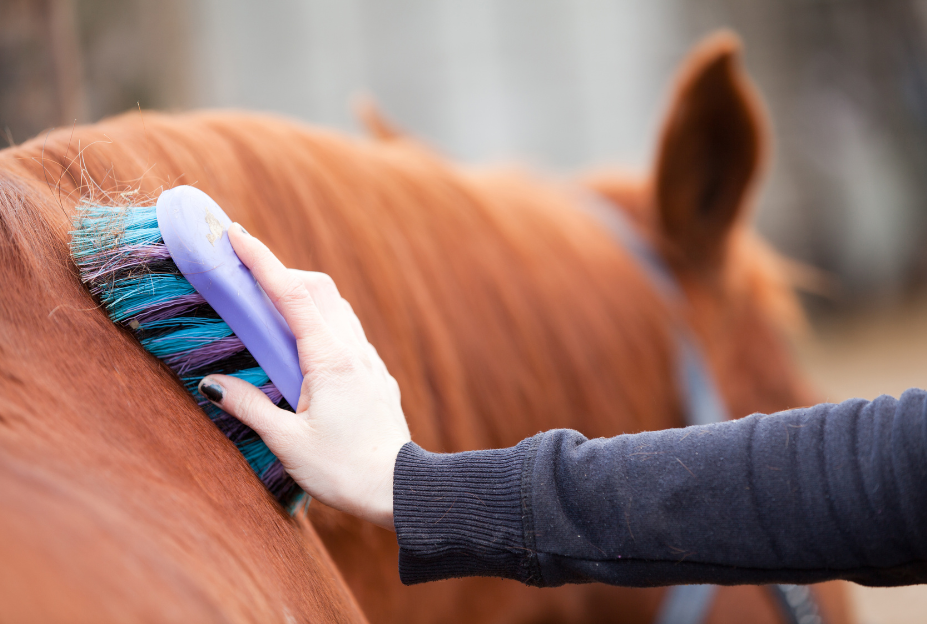
Establishing a solid daily routine is essential for anyone responsible for a horse’s well-being. Consistent attention to your horse’s needs not only keeps them healthy and happy but also strengthens the bond between you and your equine companion. Whether you’re new to horse ownership or looking to refine your stable management, understanding how to care for a horse daily ensures your animal thrives in every season.
Daily equine care involves more than just feeding and cleaning; it’s about observing your horse, maintaining their environment, and being proactive about their health. For a comprehensive overview of horse care basics, you may find the basic horse care guide from Mad Barn helpful as a reference point for best practices.
Establishing a Consistent Daily Horse Care Routine
Creating a structured schedule is the foundation of effective horse management. Horses are creatures of habit and respond well to routines that provide regularity and predictability. A typical day should include feeding, watering, grooming, exercise, and health checks. Let’s break down these essential tasks to help you develop a reliable daily system.
Morning Checks and Feeding
Start each day by visually inspecting your horse for any signs of injury, illness, or distress. Check their eyes, nostrils, and legs for swelling, discharge, or cuts. Next, provide fresh water and feed. Horses require a diet based on forage, such as hay or pasture, supplemented by grains or concentrates as needed. Ensure feed is clean and free from mold or contaminants.
- Fresh water should be available at all times and checked at least twice daily.
- Feed at the same times each day to support digestive health.
- Remove old or uneaten food to prevent spoilage and pests.
Stall and Pasture Maintenance
Cleanliness is vital for your horse’s health. Remove manure and soiled bedding from stalls every morning. If your horse is turned out, check the pasture for hazards like broken fencing, poisonous plants, or debris. Rotate grazing areas if possible to maintain healthy grass and reduce parasite risk.
- Disinfect water buckets and troughs regularly.
- Inspect fences and gates for damage.
- Monitor pasture conditions and rotate as needed.
Daily Grooming and Hoof Care Essentials
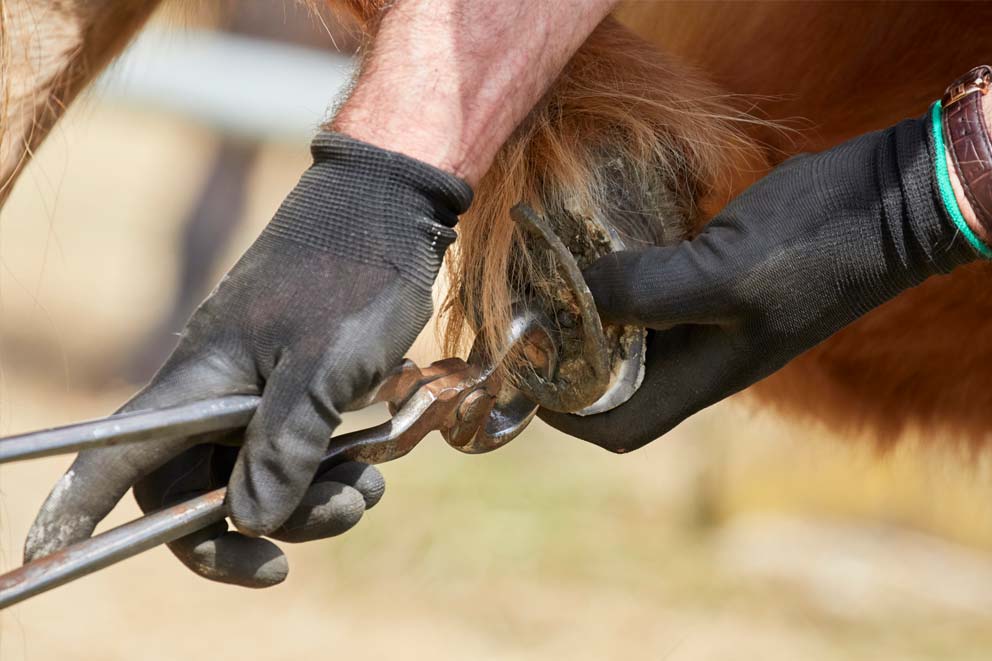
Regular grooming is more than just keeping your horse looking good—it’s a chance to check for cuts, swelling, parasites, or skin issues. Grooming also helps distribute natural oils, keeping the coat healthy and shiny. Hoof care is equally important, as neglected hooves can lead to lameness or infections.
Steps for Effective Grooming
- Use a curry comb to loosen dirt and stimulate circulation.
- Follow with a stiff brush to remove debris.
- Finish with a soft brush for a smooth coat.
- Clean the face and sensitive areas with a damp cloth.
- Pick out hooves daily, checking for stones, cracks, or foul odor.
Grooming is an excellent time to bond with your horse and spot early signs of discomfort or illness. Consider using specialized products like liniment gels for sore muscles, especially after exercise or during colder months.
Exercise and Mental Stimulation for Horses
Physical activity is crucial for a horse’s health and happiness. Regular turnout in a safe paddock or pasture allows for natural movement, which supports joint health and digestion. In addition to turnout, structured exercise such as riding, lunging, or groundwork helps maintain fitness and prevents boredom.
- Allow at least a few hours of turnout daily, weather permitting.
- Vary exercise routines to keep your horse engaged.
- Include mental stimulation with obstacles, toys, or new environments.
Monitor your horse during and after exercise for signs of fatigue, lameness, or overheating. Adjust routines based on age, fitness level, and workload.
Monitoring Health and Preventing Problems
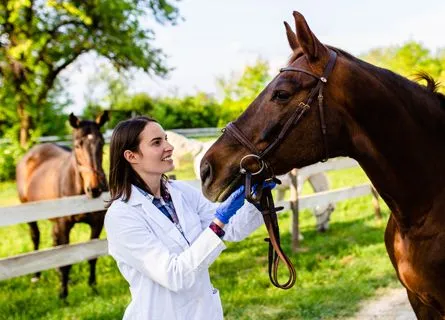
Daily observation is key to catching health issues early. Pay attention to your horse’s appetite, behavior, and manure. Changes in eating habits, droppings, or demeanor can signal problems. Check vital signs if you notice anything unusual, and consult your veterinarian as needed.
- Look for signs of colic, such as pawing, rolling, or lack of manure.
- Monitor for lameness, swelling, or heat in the legs.
- Keep up with deworming, vaccinations, and dental care as recommended by your vet.
Maintaining a daily log of your horse’s condition can help you spot trends and provide valuable information to your veterinarian if issues arise.
Evening Routine and Preparing for Night
Before nightfall, repeat your visual health check and ensure your horse has access to clean water and sufficient forage for the night. Secure all gates and doors, and provide adequate bedding if stabled. Some horses benefit from a light grooming or a quick check of their legs and hooves before bed.
Review your horse’s environment for safety, making sure there are no sharp objects, loose wires, or hazards that could cause injury overnight. A calm, secure setting helps your horse rest well and reduces stress.
Frequently Asked Questions
What is the most important part of a daily horse care routine?
The most critical aspect is consistency—providing fresh water, proper nutrition, and regular health checks every day. Observing your horse for changes in behavior or appearance helps catch potential health problems early.
How often should I groom my horse?
Daily grooming is recommended, especially if your horse is stabled or in work. It removes dirt, prevents skin issues, and allows you to check for injuries. Horses living outdoors may not need as intensive grooming, but a daily check is still important.
How do I know if my horse is healthy?
A healthy horse will have bright eyes, a shiny coat, normal eating and drinking habits, and regular manure. Any changes in these areas—such as lethargy, loss of appetite, or abnormal droppings—should prompt a closer look or a call to your veterinarian.
Where can I learn more about horse care?
For further reading, consult resources like the basic horse care guide from Mad Barn, which covers nutrition, health, and stable management in detail.