
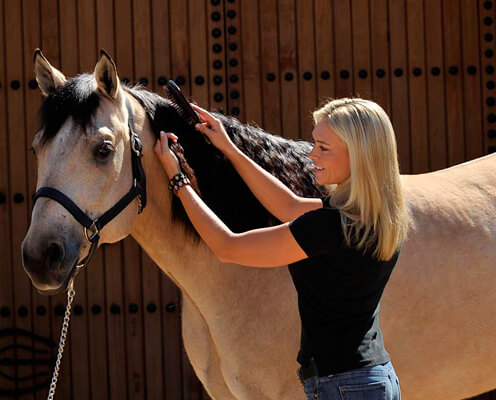
Keeping a horse healthy and happy requires commitment, knowledge, and a daily routine. Whether you’re a new owner or an experienced equestrian, understanding the essential horse care tasks is key to ensuring your horse’s well-being. These responsibilities go beyond feeding and riding—they encompass everything from grooming and hoof care to veterinary attention and safe shelter. By mastering these core duties, you’ll help your equine companion thrive year-round.
For those looking to deepen their understanding of horse ownership, the comprehensive guide to horse ownership basics offers valuable insights into the responsibilities and rewards of caring for horses.
Daily Horse Care Routines for Optimal Health
Consistent daily routines form the backbone of essential horse care tasks. Horses thrive on predictability, and regular attention helps prevent health issues before they arise. Here are the most important daily responsibilities:
- Feeding and Watering: Provide fresh water at all times and feed high-quality forage, adjusting for age, activity, and health needs. Clean buckets and troughs daily to prevent contamination.
- Checking for Injuries or Illness: Observe your horse for signs of discomfort, swelling, lameness, or changes in behavior. Early detection is crucial for effective treatment.
- Stall and Shelter Maintenance: Remove manure and wet bedding from stalls or shelters each day. Clean, dry spaces reduce the risk of respiratory and hoof problems.
- Turnout and Exercise: Allow your horse regular turnout for movement and socialization. If turnout is limited, provide exercise through riding or groundwork.
Grooming and Hoof Care: Keeping Your Horse Comfortable
Regular grooming is more than just keeping your horse looking good—it’s a vital aspect of equine health. Grooming removes dirt, sweat, and loose hair, stimulates circulation, and offers a chance to check for cuts, ticks, or skin issues. Hoof care is equally important, as neglected hooves can quickly lead to lameness or infection.
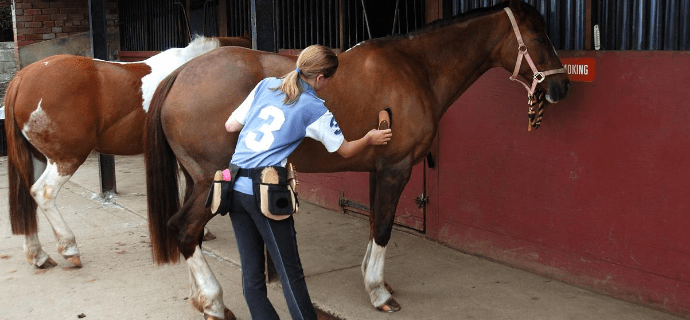
- Brushing: Use a curry comb to loosen dirt and a stiff brush to remove debris. Finish with a soft brush for shine and comfort.
- Mane and Tail Care: Detangle gently with a wide-tooth comb or fingers to avoid breakage.
- Hoof Cleaning: Pick out hooves daily, checking for stones, thrush, or cracks. Schedule regular farrier visits every 6–8 weeks.
- Bathing: Bathe as needed, especially after heavy work or in hot weather, but avoid over-washing to protect natural oils.
Seasonal Adjustments in Horse Care
As the seasons change, so do the needs of your horse. Adapting your routine is one of the most important horse care tasks to keep your equine partner healthy year-round.
- Winter: Ensure adequate shelter from wind and wet. Increase forage to help maintain body temperature, and check water sources for ice.
- Spring: Watch for rapid grass growth and the risk of laminitis. Begin shedding out winter coats and monitor for parasites.
- Summer: Provide shade, fly protection, and plenty of fresh water. Adjust exercise to avoid overheating.
- Autumn: Prepare for colder weather by checking blankets and shelter. Monitor pasture quality as grass growth slows.
Veterinary and Preventive Care Essentials
Routine veterinary care is a cornerstone of responsible horse ownership. Preventive measures help avoid illness and catch problems early. Key components include:
- Vaccinations: Follow your vet’s recommended schedule for core and risk-based vaccines.
- Deworming: Develop a parasite control plan based on fecal egg counts and local risks.
- Dental Care: Have your horse’s teeth checked at least once a year to prevent sharp points and ensure proper chewing.
- Annual Health Checks: Schedule a full exam to monitor weight, heart, lungs, and overall condition.
Building a relationship with a trusted veterinarian ensures prompt attention to injuries or illness and supports your horse’s long-term health.
Safe Environment and Social Needs
Providing a secure, enriching environment is just as important as physical care. Horses are herd animals and need companionship, mental stimulation, and a safe space to move.
- Fencing: Inspect fences regularly for damage or hazards. Avoid barbed wire and ensure gates are secure.
- Shelter: Offer protection from extreme weather, whether it’s a run-in shed or a well-ventilated barn.
- Pasture Management: Rotate grazing areas to prevent overgrazing and reduce parasite loads.
- Socialization: Allow horses to interact with others when possible. Isolation can lead to stress or behavioral issues.
FAQs About Core Horse Care Responsibilities
How often should I groom my horse?
Ideally, horses should be groomed daily. Regular grooming not only keeps their coat clean and healthy but also allows you to check for injuries, skin conditions, or ticks. Even if you can’t groom every day, aim for several times a week, especially during shedding seasons.
What are the most important aspects of daily horse care?
The most critical daily horse care tasks include providing fresh water, feeding appropriate forage, checking for injuries or signs of illness, cleaning stalls or shelters, and ensuring your horse gets exercise and social interaction. Consistency in these routines supports both physical and mental health.
How do I know if my horse needs veterinary attention?
Contact your veterinarian if you notice any signs of lameness, persistent coughing, nasal discharge, loss of appetite, abnormal behavior, or wounds that do not heal. Regular checkups are also important for preventive care, including vaccinations, dental exams, and deworming.
Conclusion: Building a Strong Foundation for Your Horse’s Well-Being
Mastering the essential horse care tasks is fundamental to your horse’s happiness and longevity. By establishing consistent routines, staying alert to changes in health or behavior, and adapting to seasonal needs, you’ll create an environment where your equine partner can truly flourish. Remember, the best care comes from a combination of knowledge, observation, and genuine commitment to your horse’s welfare.