
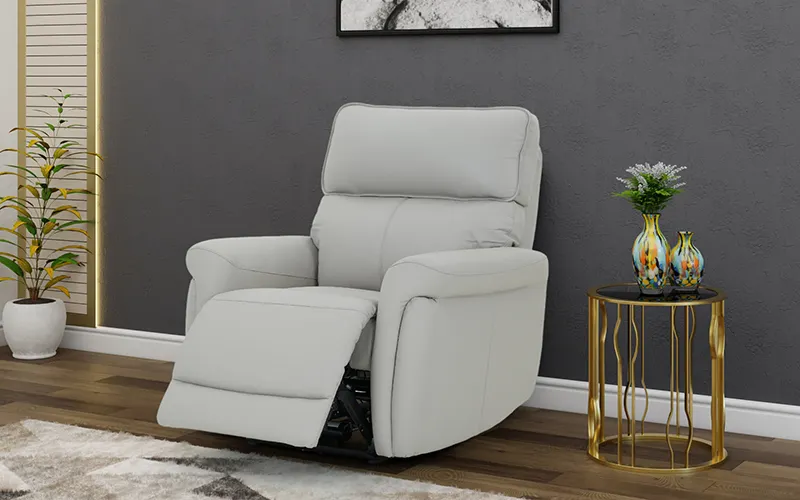
Selecting the right recliner for someone living with Parkinson’s disease is a decision that can greatly impact daily comfort, safety, and independence. The process involves more than just picking a comfortable chair—it requires careful consideration of mobility challenges, muscle rigidity, tremors, and the need for support during transitions from sitting to standing. Understanding how to choose a recliner for a person with Parkinson’s can make a significant difference in quality of life, helping to reduce falls and fatigue while promoting dignity and autonomy.
This article will guide you through the most important features to look for, practical tips for evaluating different models, and how to balance comfort with essential safety considerations. For those interested in learning about the broader advantages of these chairs, you may find it useful to read about the benefits of reclining chairs for seniors.
Key Considerations When Selecting a Recliner for Parkinson’s
When evaluating recliner options for individuals with Parkinson’s, it’s crucial to focus on features that address the unique symptoms of the condition. Here are some of the primary factors to keep in mind:
- Ease of Use: Controls should be simple, intuitive, and within easy reach. Large buttons or remote controls are preferable to small levers or manual mechanisms.
- Stability and Safety: The chair should have a sturdy base to prevent tipping. Non-slip feet or a wide footprint can offer extra security.
- Assisted Standing: Power lift features help users transition from sitting to standing with minimal effort, reducing the risk of falls and strain.
- Supportive Design: Firm lumbar and head support are essential, as muscle weakness and rigidity can make it difficult to maintain posture.
- Material and Cleanability: Choose fabrics that are easy to clean and resistant to spills, as tremors may increase the likelihood of accidents.
Essential Features for Comfort and Accessibility
The right chair should not only be comfortable but also enhance the user’s ability to live independently. Here’s what to look for when considering how to choose a recliner for a person with Parkinson’s:
- Power Lift Mechanism: A motorized lift function gently tilts the chair forward, helping users stand up safely. This is particularly helpful for those with muscle stiffness or balance issues.
- Adjustable Recline Positions: Multiple recline angles allow users to find the most comfortable position for rest, reading, or watching TV. Infinite position recliners offer the most flexibility.
- Armrest and Seat Height: Armrests should be firm and at a comfortable height to provide leverage when standing. The seat height should allow feet to rest flat on the floor.
- Remote Control Operation: A wired or wireless remote with large, clearly labeled buttons makes it easier for those with tremors or dexterity challenges to operate the chair.
- Side Pockets and Storage: Convenient pockets can hold remotes, reading materials, or medications, reducing the need to reach or bend.
)
How to Evaluate Recliner Models for Parkinson’s Needs
Testing different chairs in person is ideal, but if shopping online, pay close attention to product specifications and user reviews. Here are steps to help you assess which recliner will best suit someone with Parkinson’s:
- Check the Lift and Recline Functions: Ensure the lift mechanism operates smoothly and quietly. The transitions between positions should be gentle to avoid startling or discomfort.
- Assess the Seat Depth and Width: The seat should be deep enough for comfort but not so deep that it’s difficult to get up. A snug fit provides better support and stability.
- Test the Remote or Controls: If possible, try out the remote to confirm it’s easy to use with limited dexterity. Look for models with backup battery systems in case of power outages.
- Review Safety Features: Anti-tip construction, locking casters, and emergency stop buttons are valuable additions for those at higher risk of falls.
- Consider Warranty and Support: Opt for brands that offer reliable customer service and clear warranty terms, as repairs may be needed over time.
Practical Tips for Caregivers and Family Members
Supporting a loved one with Parkinson’s often means making adjustments to the home environment. When introducing a new recliner, keep these practical suggestions in mind:
- Position the Chair Wisely: Place the recliner in a spot with plenty of room to fully extend and easy access to pathways, minimizing the risk of tripping.
- Monitor for Pressure Sores: If the user spends extended periods in the chair, check regularly for signs of skin irritation or pressure ulcers.
- Encourage Movement: Remind the person to change positions or stand up periodically, as prolonged sitting can worsen stiffness.
- Keep Essentials Close: Use the chair’s side pockets for frequently needed items, reducing unnecessary movement or reaching.
- Educate on Safe Use: Demonstrate how to operate the lift and recline features safely, and ensure the user feels confident using the chair independently.

Frequently Asked Questions
What is the most important feature to look for in a recliner for someone with Parkinson’s?
The power lift mechanism is often the most critical feature. It assists users in standing up safely and reduces the risk of falls, which is particularly important for those with mobility or balance challenges.
Are manual recliners suitable for people with Parkinson’s disease?
Manual recliners can be difficult to operate for individuals with limited strength, tremors, or rigidity. Electric or power recliners with remote controls are generally a better choice, as they require less physical effort and offer more precise adjustments.
How do I maintain a recliner to keep it safe and comfortable for someone with Parkinson’s?
Regularly check the chair for loose parts, worn upholstery, and proper function of the lift and recline mechanisms. Clean spills promptly to prevent stains, and ensure the area around the chair remains clutter-free to avoid tripping hazards.