
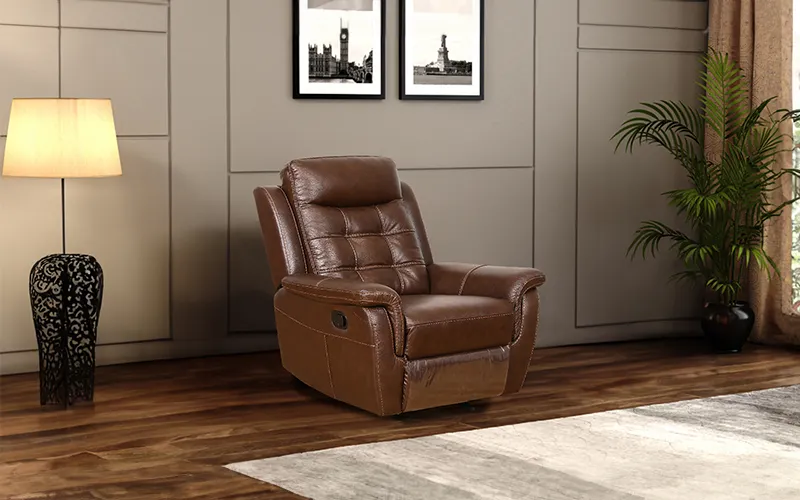
Finding the right recliner for a petite senior can make a world of difference in daily comfort, mobility, and safety. Many standard recliners are designed for average or larger body types, which can lead to poor posture, discomfort, and even difficulty getting in and out of the chair for those with a smaller frame. This guide will help you understand the most important factors to consider when choosing a recliner that fits petite elderly adults, ensuring both support and ease of use.
When shopping for a recliner for a petite senior, it’s essential to focus on dimensions, ergonomic features, and user-friendly mechanisms. A well-fitted chair can help reduce joint pain, improve circulation, and provide a sense of independence. For more insight into the advantages of specialized seating, you can read about the benefits of lift chairs and recliners for seniors and people with disabilities.
Why Proper Recliner Fit Matters for Petite Seniors
Choosing a recliner that matches the user’s body size is not just about comfort—it’s about health and safety. For petite elderly adults, a chair that’s too large can cause:
- Poor posture due to lack of back and neck support
- Feet not touching the floor, leading to circulation issues
- Difficulty reaching armrests or operating controls
- Increased risk of slipping or struggling when standing up
On the other hand, a properly sized recliner supports the spine, allows feet to rest flat, and makes it easier to stand up safely. This is especially important for those with mobility challenges or joint pain.
Key Measurements for the Best Recliner Fit
When evaluating recliners for petite users, pay close attention to these measurements:
- Seat Height: The distance from the floor to the top of the seat cushion. For most petite adults (under 5’4″), a seat height between 16 and 18 inches is ideal.
- Seat Depth: The distance from the backrest to the front edge of the seat. A depth of 18 to 20 inches usually allows petite users to sit back comfortably with knees bent and feet flat.
- Seat Width: The width should provide support without being too roomy. Around 18 to 20 inches is often suitable, but always check the user’s hip width.
- Back Height: The backrest should support the head and neck without pushing the head forward. For smaller users, a back height of 24 to 26 inches from the seat is often a good fit.
It’s a good idea to measure the person who will use the chair and compare those numbers with the recliner’s specifications before purchasing.
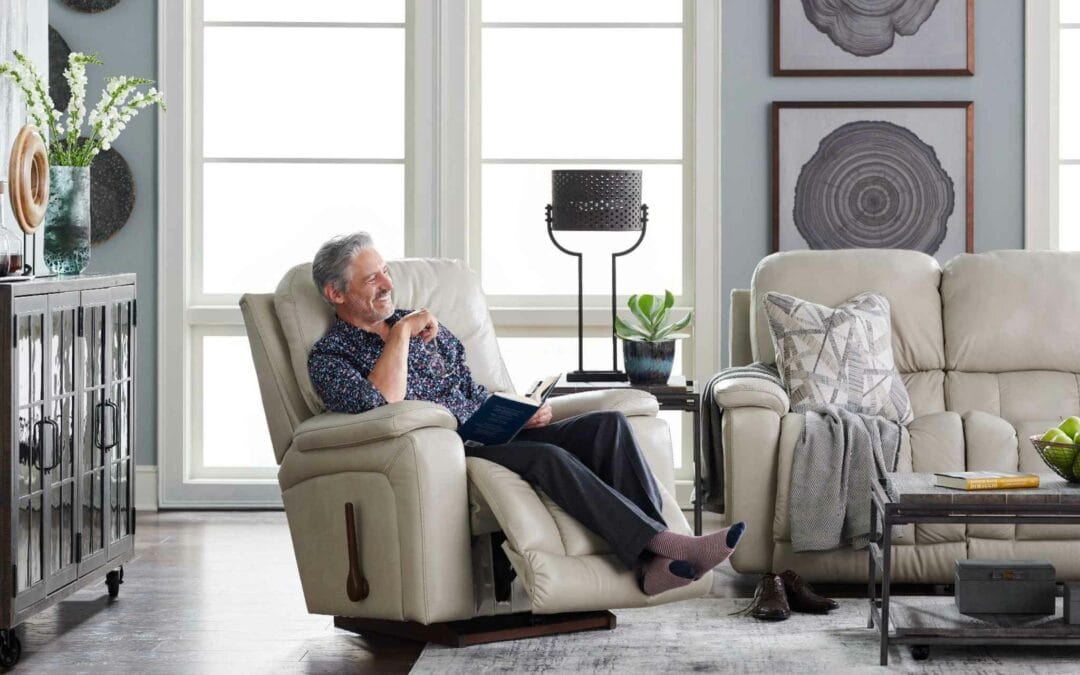
Essential Recliner Features for Petite Elderly Adults
Beyond size, certain features can make a recliner much more suitable for a petite senior:
- Lift Mechanism: Power lift recliners gently raise the user to a standing position, reducing strain on knees and hips.
- Easy-to-Use Controls: Large, simple buttons or remote controls are easier for those with arthritis or limited dexterity.
- Supportive Padding: Firm but comfortable cushions prevent sinking and provide better support for lighter body weights.
- Adjustable Headrest and Lumbar Support: These allow for personalized comfort and reduce neck or back strain.
- Stable Armrests: Armrests should be at a height that allows easy gripping when sitting or standing up.
- Compact Footprint: Smaller recliners fit better in tight spaces and are easier for petite users to maneuver around.
Look for models specifically labeled as “petite” or “small” to ensure a better fit.

Tips for Testing Recliners Before Purchase
If possible, visit a showroom to try out different models. Here’s what to check:
- Sit all the way back—does your lower back touch the backrest, and do your feet rest flat on the floor?
- Test the reclining and lift mechanisms. Are they smooth and easy to operate?
- Check if the armrests are at a comfortable height for pushing up from the chair.
- Ensure the headrest supports your neck without forcing your head forward.
- Try the controls to see if they are intuitive and within easy reach.
Bring along a tape measure to confirm the seat height, depth, and width. If shopping online, look for detailed product dimensions and customer reviews from other petite users.
Materials and Maintenance Considerations
The right upholstery can make a big difference in comfort and longevity:
- Breathable Fabrics: Materials like microfiber or cotton blends are soft, easy to clean, and prevent overheating.
- Leather or Faux Leather: These are durable and simple to wipe down, but may feel slippery for some users.
- Removable Covers: Washable covers are a practical choice for those concerned about spills or incontinence.
Choose a recliner with sturdy construction and a warranty for peace of mind. Regularly check moving parts and mechanisms to ensure continued safe operation.
Safety and Accessibility for Petite Users
Safety is a top priority for elderly adults. Here’s how to make sure the recliner is as safe as it is comfortable:
- Look for anti-tip features or a wide, stable base.
- Ensure the chair is easy to get in and out of, especially if mobility is limited.
- Consider models with built-in battery backup for power recliners, so they work during outages.
- Place the chair in a location with plenty of space around it to avoid tripping hazards.
Some recliners also offer features like side pockets for remotes or magazines, which help keep essentials within easy reach.
Frequently Asked Questions
What seat height is best for petite elderly adults?
For most petite seniors, a seat height of 16 to 18 inches allows feet to rest flat on the floor, promoting better circulation and easier standing. Always measure the user’s lower leg length for the most accurate fit.
Are power lift recliners necessary for smaller seniors?
While not strictly necessary, power lift recliners can make standing up much easier and safer for elderly adults with limited strength or mobility. They are especially helpful for those with knee or hip issues.
How do I know if a recliner is too big for a petite person?
If the user’s feet dangle above the floor, the seat is too deep, or the backrest pushes the head forward, the recliner is likely too large. The best fit allows the user to sit back comfortably with full support and easy access to controls.
Conclusion
Choosing the right recliner for a petite elderly adult requires attention to size, ergonomic features, and safety. By focusing on proper measurements and user-friendly design, you can find a chair that offers both comfort and independence. Always compare product specifications to the user’s needs, and when possible, test the chair in person. With the right fit, a recliner can become a valuable part of daily living for any petite senior.