
Colic is one of the most common and concerning health issues affecting horses. It refers to abdominal pain, which can range from mild discomfort to severe, life-threatening conditions. While veterinary intervention is essential for serious cases, many horse owners seek natural remedies for horse colic to provide gentle, safe relief and support their horse’s recovery. Understanding the signs, causes, and holistic management strategies can help you respond quickly and effectively when your horse is in distress.
Early recognition and prompt action are crucial. Alongside professional care, natural approaches can play a supportive role in easing discomfort and promoting digestive health. This article explores practical, evidence-based options for those interested in holistic equine care.

For additional information on keeping your horse healthy through the seasons, check out these winter horse care tips for owners.
Understanding Colic and Its Causes in Horses
Colic in horses is a broad term describing abdominal pain, but the underlying causes can vary widely. Common triggers include sudden changes in diet, dehydration, ingestion of sand or foreign objects, intestinal blockages, and stress. Recognizing the early signs—such as pawing, rolling, looking at the flank, or loss of appetite—can make a significant difference in outcomes.
While some cases resolve with minimal intervention, others may require urgent veterinary care. It’s important to remember that natural approaches should never replace professional assessment, especially if symptoms are severe or persistent.
Gentle Herbal Approaches for Digestive Support
Herbal remedies have been used for centuries to support equine digestive health. Some herbs are known for their antispasmodic, anti-inflammatory, or soothing properties. When considering natural remedies for horse colic, these options may offer gentle relief:
- Chamomile: Known for its calming effect, chamomile can help relax the digestive tract and ease mild discomfort.
- Slippery Elm: This herb forms a soothing gel when mixed with water, which can coat the stomach lining and reduce irritation.
- Peppermint: Often used to relieve gas and bloating, peppermint may help alleviate mild spasms in the gut.
- Ginger: With its anti-nausea and digestive-stimulating effects, ginger can support normal gut motility.
Always consult with a veterinarian or equine herbalist before administering herbs, as dosages and suitability can vary depending on the horse’s condition and other medications.
Hydration and Electrolyte Balance for Colic Prevention
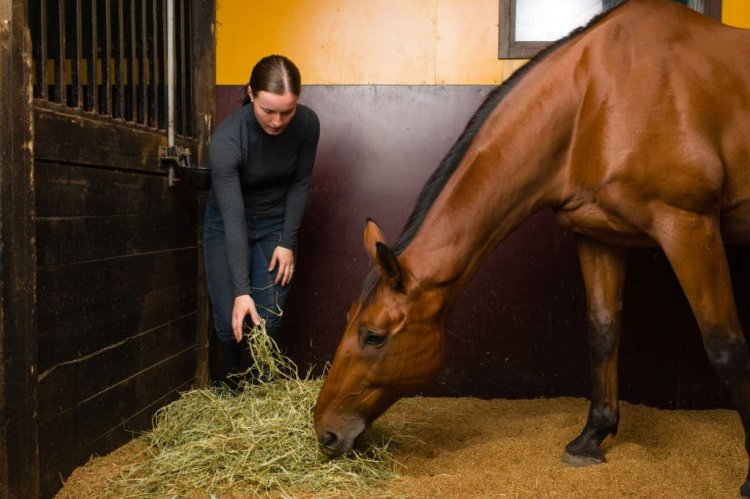
Maintaining proper hydration is one of the most effective ways to reduce the risk of digestive upset in horses. Dehydration can lead to impaction colic, especially in dry or cold weather when horses may drink less. Encourage water intake by:
- Providing clean, fresh water at all times
- Offering soaked hay or adding water to feed
- Using electrolyte supplements during hot weather or after exercise
- Warming water slightly in winter to make it more appealing
Monitoring your horse’s water consumption and checking for signs of dehydration—such as dry gums or slow skin pinch response—can help you act quickly if problems arise.
Physical Activity and Gentle Movement
Light exercise can stimulate gut motility and help relieve mild gas buildup. If your horse is experiencing mild discomfort and your veterinarian has ruled out serious causes, gentle hand-walking may be beneficial. Avoid forced exercise or riding, as this can worsen some types of colic.
Always observe your horse closely during movement. If symptoms worsen or your horse becomes distressed, stop and seek veterinary advice immediately.
Dietary Management and Probiotics for Digestive Health
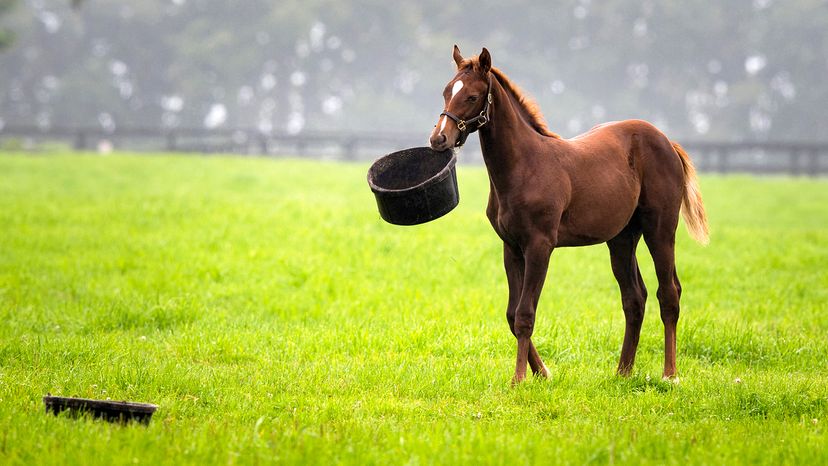
Preventing digestive upset often starts with a consistent, high-fiber diet. Sudden feed changes, excessive grain, or poor-quality forage can disrupt the delicate balance of the equine gut. To support digestive wellness:
- Feed small, frequent meals rather than large portions
- Ensure access to good-quality hay or pasture
- Limit high-starch grains and rich feeds
- Introduce new feeds gradually over 7–10 days
Probiotic supplements containing live beneficial bacteria may help restore gut flora, especially after antibiotic use or digestive upset. These products can support healthy digestion and may reduce the risk of colic recurrence.
When to Seek Veterinary Care
While many natural strategies can help maintain digestive health and provide comfort during mild episodes, it’s vital to recognize when professional help is needed. Contact your veterinarian immediately if your horse:
- Shows severe or worsening pain (rolling, sweating, unresponsive to walking)
- Has no gut sounds or passes no manure for several hours
- Displays signs of shock (rapid breathing, pale gums, weakness)
- Does not improve within a short period using gentle measures
Timely intervention can be lifesaving. Use holistic options as supportive care, not as a replacement for expert medical assessment.
Preventive Strategies for Long-Term Wellness
Consistent management is key to reducing the risk of digestive problems in horses. In addition to the natural remedies for horse colic discussed above, consider these preventive measures:
- Regular dental care to ensure proper chewing and digestion
- Routine deworming based on fecal egg counts
- Minimizing stress with a predictable routine and turnout
- Providing access to clean, safe pasture and minimizing sand ingestion
Working closely with your veterinarian and equine nutritionist can help you develop a management plan tailored to your horse’s unique needs.
Frequently Asked Questions
What are the first signs of colic in horses?
Early indicators include restlessness, pawing, looking at the flank, kicking at the belly, rolling, sweating, and loss of appetite. Some horses may also lie down more than usual or show changes in manure output. Quick recognition of these signs allows for faster intervention and better outcomes.
Can I use herbal remedies for all types of colic?
Herbal approaches may help with mild digestive discomfort, but not all types of colic are suitable for home management. Severe, persistent, or rapidly worsening symptoms require immediate veterinary attention. Always consult a professional before using herbs, especially if your horse is on other medications.
How can I prevent colic in my horse?
Prevention focuses on consistent feeding routines, access to clean water, regular dental and parasite care, and minimizing stress. Gradual feed changes, good-quality forage, and appropriate exercise also play important roles. Probiotics and certain natural supplements may support digestive health, but should be used as part of a comprehensive wellness plan.