
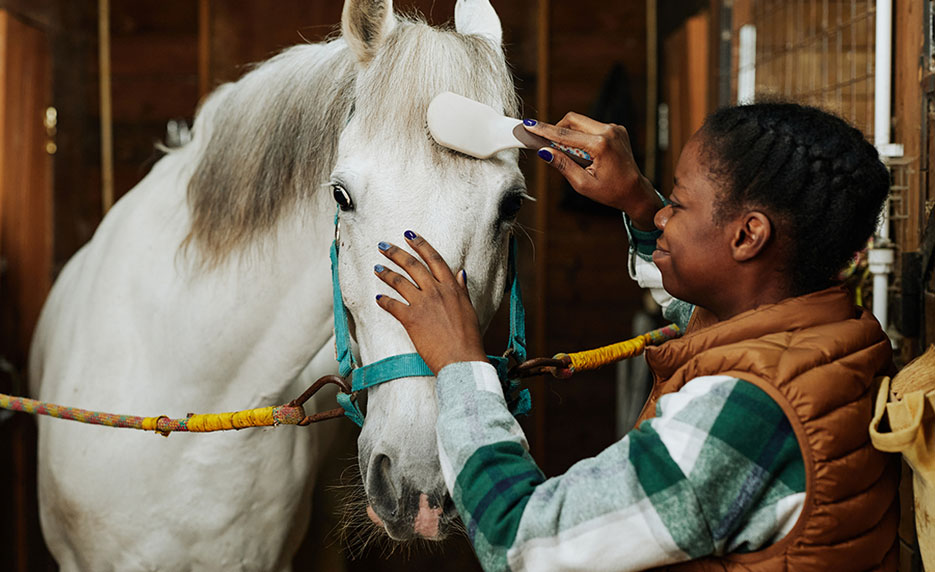
Starting each day with a consistent and attentive morning horse care routine is essential for every horse owner. A well-structured approach not only ensures your horse’s health and comfort but also sets a positive tone for the entire day. Whether you’re new to horse ownership or looking to refine your daily habits, understanding the key steps and best practices can make a significant difference in your horse’s wellbeing.
Proper care in the early hours helps prevent health issues, supports strong bonds between horse and handler, and keeps the stable environment safe and clean. For those just beginning their journey, resources like this complete guide to horse ownership for beginners offer valuable insights into daily responsibilities and routines.
Why a Consistent Morning Routine Matters
Horses are creatures of habit. Establishing a reliable morning schedule helps reduce stress and creates a sense of security. A predictable routine also allows you to spot any changes in your horse’s behavior or health early on, making it easier to address concerns before they become serious problems.
Key benefits of a structured start to the day include:
- Health monitoring: Early detection of injuries, illness, or discomfort.
- Stable cleanliness: Prevents buildup of waste and reduces risk of disease.
- Bonding time: Regular interaction strengthens trust between horse and handler.
- Efficient management: Saves time and ensures nothing is overlooked.
Essential Steps in a Morning Horse Care Routine
Each stable and horse may have unique needs, but the following steps form the backbone of a thorough morning regimen. Adjust as needed for your environment, climate, and horse’s individual requirements.
1. Initial Health Check and Greeting
Begin by greeting your horse calmly. Observe their demeanor—are they alert, relaxed, or showing signs of distress? Check for any visible injuries, swelling, or unusual behavior. Take a moment to look over their body, legs, and eyes for anything out of the ordinary. This quick assessment is crucial for catching early signs of health issues.
2. Cleaning Stalls and Refreshing Bedding
Remove manure and soiled bedding from the stall. Replace with fresh, dry material to maintain a clean and comfortable resting area. Clean stalls help prevent hoof problems and respiratory issues caused by ammonia buildup. Don’t forget to check for sharp objects or hazards that may have appeared overnight.
3. Feeding and Watering
Provide fresh hay or grain according to your horse’s dietary plan. Always ensure clean, cool water is available—dehydration can quickly lead to serious health issues. Check water buckets or automatic waterers for cleanliness and function. Some owners also add supplements or medications during the morning feed, as prescribed by a veterinarian.
4. Grooming and Hoof Care
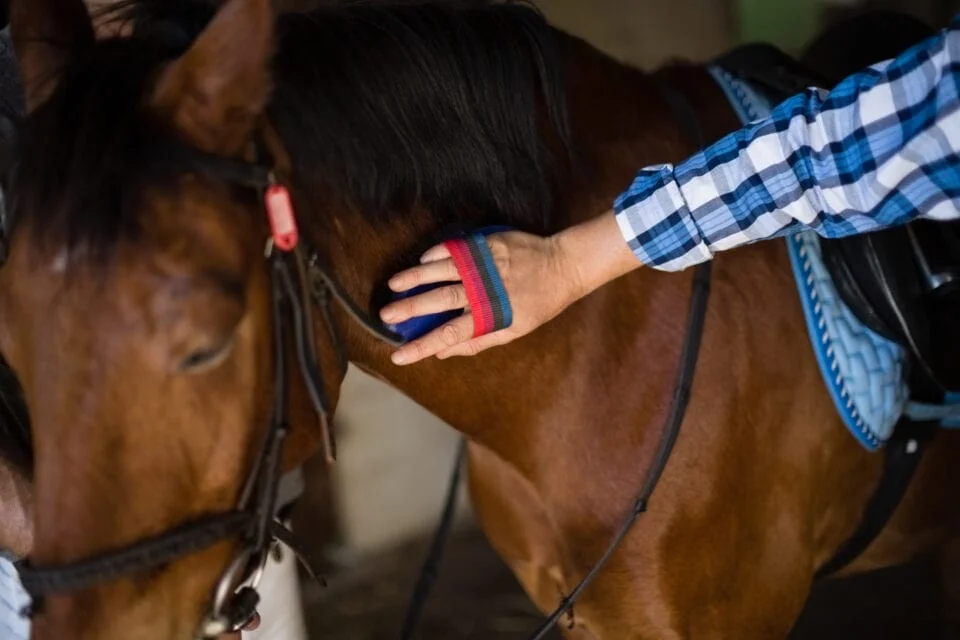
Daily grooming is more than just keeping your horse looking good; it’s an opportunity to check for cuts, ticks, or skin irritations. Use a curry comb to loosen dirt and stimulate circulation, followed by a stiff brush to remove debris. Pay special attention to the mane, tail, and sensitive areas. Pick out hooves to remove stones, manure, and mud, checking for signs of thrush or cracks.

5. Turnout and Exercise
If your horse is scheduled for turnout, lead them safely to the paddock or pasture. Check fencing and gates to ensure a secure environment. Regular turnout provides essential physical activity, mental stimulation, and social interaction if horses are grouped. For horses not turned out, consider hand-walking or light exercise to keep them limber and content.
6. Tack and Equipment Inspection
Before any riding or training, inspect all tack and equipment for wear or damage. Clean and store gear properly after use. Well-maintained equipment helps prevent accidents and ensures your horse’s comfort during work.
Tips for Streamlining Your Morning Stable Routine
Efficiency is key, especially if you care for multiple horses or have a busy schedule. Here are some practical suggestions to make your mornings smoother:
- Prepare feed and supplements the night before, storing them in labeled containers.
- Keep grooming tools and hoof picks organized and within easy reach.
- Establish a checklist for daily tasks to avoid missing important steps.
- Regularly review and update your routine as your horse’s needs change with age, season, or activity level.
Common Mistakes to Avoid in Early-Day Horse Care
Even experienced handlers can overlook details in their morning horse care routine. Watch out for these frequent errors:
- Neglecting to check water supply or failing to clean buckets regularly.
- Rushing through grooming, missing signs of injury or illness.
- Skipping hoof care, leading to preventable lameness issues.
- Forgetting to inspect fencing or turnout areas for hazards.
- Overfeeding or underfeeding due to lack of attention to dietary changes.
Seasonal Adjustments for Morning Horse Care
Weather and daylight changes affect your daily approach. In winter, allow extra time for warming up water, breaking ice, and providing additional forage for warmth. During summer, check for signs of heat stress and ensure shade is available. Adjust turnout times to avoid extreme temperatures and monitor for pests like flies or ticks.
Frequently Asked Questions
How long should a typical morning care routine take?
The time required depends on the number of horses and your facility’s setup. For one horse, expect 30–45 minutes for a thorough routine including feeding, cleaning, grooming, and turnout. With practice and organization, this time can be reduced without sacrificing quality.
What are the most important health checks in the morning?
Focus on your horse’s overall demeanor, appetite, and movement. Check for swelling, cuts, heat in the legs, and clear eyes. Ensure manure and urine output are normal. Early detection of changes is key to preventing serious issues.
Can I skip grooming if I’m short on time?
While occasional quick grooming is understandable, daily brushing and hoof picking are essential for health monitoring and cleanliness. Even a brief session helps you spot problems and keeps your horse comfortable.
Conclusion
A thoughtful and consistent approach to the start of each day ensures your horse’s health, happiness, and performance. By following the steps outlined above and remaining attentive to your horse’s needs, you’ll build a strong foundation for a rewarding partnership. For those seeking more in-depth guidance, comprehensive resources such as horse ownership guides for beginners can provide additional support and confidence in your daily care routine.