
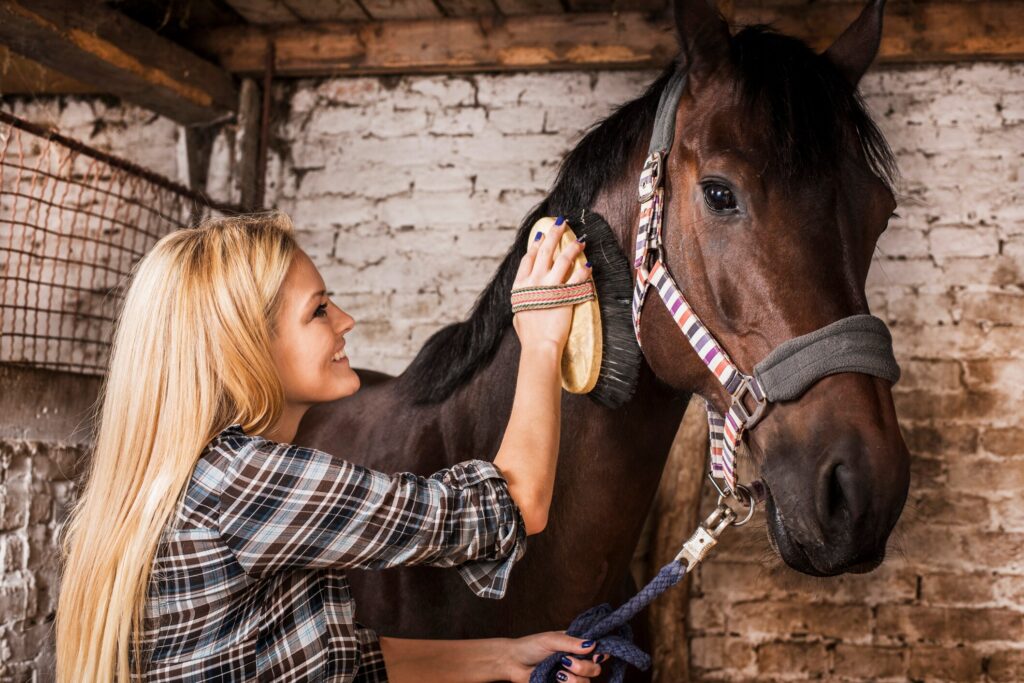
Leading a horse safely is a foundational skill for every handler, whether you’re new to equine care or have years of experience. Practicing safe horse leading techniques not only protects you and your horse from accidents but also builds trust and respect on the ground. Understanding the right way to approach, halter, and guide your horse is essential for daily handling, veterinary visits, grooming, and moving between pastures or stalls.
In this guide, you’ll find practical advice and step-by-step instructions for leading horses with confidence. We’ll cover the basics, highlight common mistakes, and offer tips for handling different situations. For a broader overview of horse management, you might also find the basic horse care guide helpful as you develop your horsemanship skills.
Why Proper Horse Leading Matters
Leading a horse may seem straightforward, but it’s one of the most critical aspects of daily horse care. Using safe horse leading techniques reduces the risk of injuries, prevents dangerous behaviors, and ensures smooth handling in various environments. Horses are large, powerful animals, and even the calmest can react unpredictably if startled or confused. Adhering to ground rules helps keep both horse and handler out of harm’s way.
- Prevents accidents: Correct leading minimizes the chance of being stepped on, knocked over, or dragged.
- Builds trust: Consistent, respectful handling fosters a positive relationship between you and your horse.
- Improves responsiveness: Horses that are led properly become more attentive and easier to manage in new situations.
Essential Equipment for Leading Horses Safely
Before you begin, make sure you have the right equipment. The basics include:
- Halter: A well-fitted halter is crucial for control and comfort. Avoid halters that are too loose or too tight.
- Lead rope: Use a sturdy lead rope, ideally 8–10 feet long, with a secure snap. Cotton or nylon ropes are common choices.
- Gloves (optional): Wearing gloves can protect your hands, especially with strong or nervous horses.
Never use chains or ropes around the horse’s sensitive areas unless you are experienced and the situation requires extra control, such as with a difficult horse under professional supervision.
Approaching and Haltering Your Horse
Safe handling starts before you even attach the lead rope. Approach your horse calmly from the side, speaking softly to announce your presence. Avoid sudden movements or loud noises that could startle the animal. When haltering:
- Stand at the horse’s shoulder, facing the same direction as the horse.
- Gently slip the halter over the nose and behind the ears, securing it snugly but not tightly.
- Attach the lead rope securely to the halter ring.
Always avoid standing directly in front of the horse, as this is a blind spot and puts you at risk if the horse moves forward suddenly.
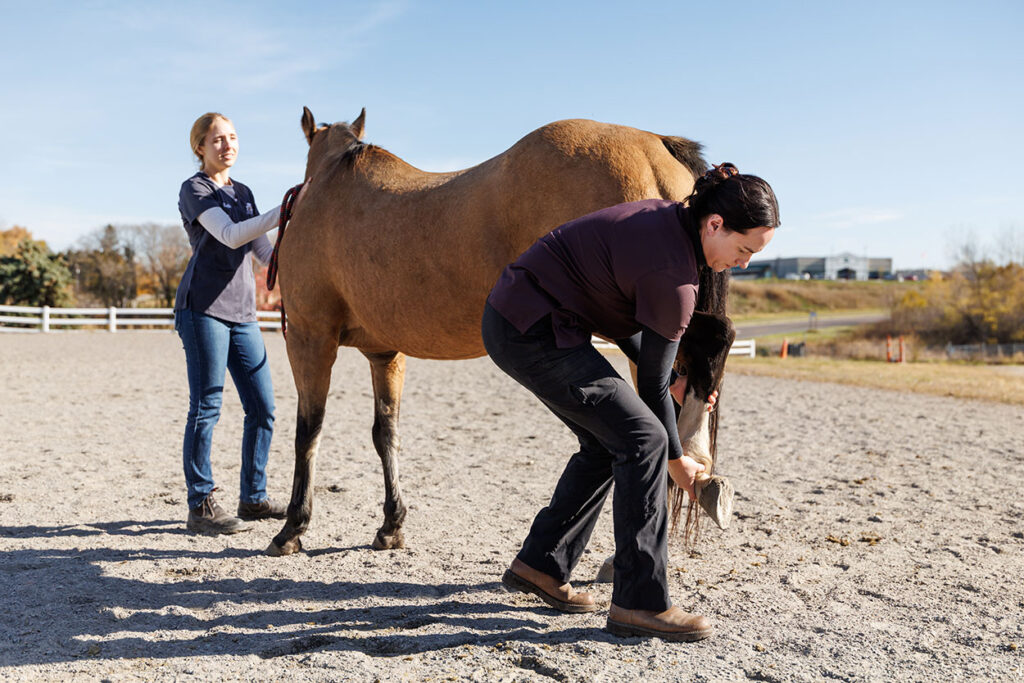
Step-by-Step Guide to Leading a Horse
Once your horse is haltered and the lead rope is attached, follow these steps for safe movement:
- Position yourself correctly: Stand at the horse’s left (near) side, slightly ahead of the shoulder. Hold the lead rope about 6–12 inches below the halter with your right hand, and gather the excess rope in your left hand, never wrapping it around your hand or wrist.
- Start walking: Give a gentle verbal cue or light tug on the rope. Walk forward confidently, and your horse should follow. If the horse hesitates, pause and encourage with a soft voice or gentle pressure.
- Maintain awareness: Keep an eye on your horse’s body language and surroundings. Be alert for distractions or potential hazards.
- Turning and stopping: To turn, gently guide the horse’s head in the desired direction. When stopping, slow your pace and give a verbal cue or a gentle tug on the rope.
- Respect personal space: Don’t let the horse crowd or push into you. Use your body language to maintain a safe distance.
Practicing these safe horse leading techniques regularly will help your horse understand expectations and respond calmly in various situations.
Common Mistakes and How to Avoid Them
Even experienced handlers can develop habits that compromise safety. Here are some frequent errors and tips to prevent them:
- Wrapping the lead rope: Never wrap the rope around your hand, arm, or body. If the horse pulls away, this can cause serious injury.
- Walking too far ahead or behind: Stay at the shoulder, not directly in front or behind the horse.
- Ignoring body language: Watch for signs of anxiety, distraction, or aggression. Address issues early to prevent escalation.
- Using excessive force: Avoid jerking or yanking the rope. Gentle, consistent cues are more effective and less likely to frighten the horse.
- Not checking equipment: Regularly inspect halters and ropes for wear or damage to prevent equipment failure.
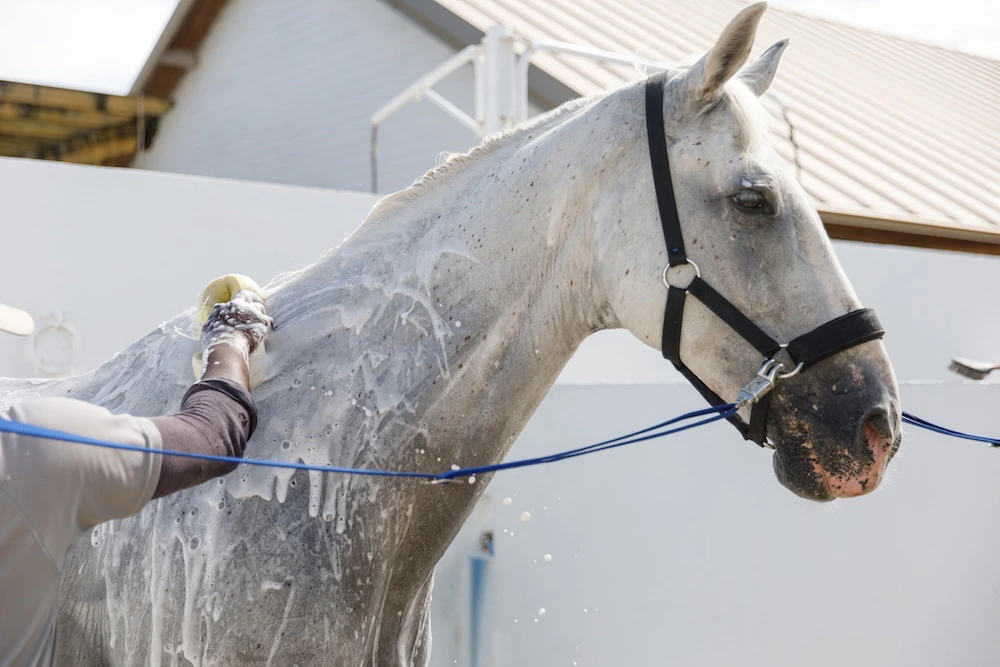
Adapting Techniques for Different Horses and Situations
Every horse is unique, and some may require adjustments to your approach. Young, green, or nervous horses may need extra patience and more gradual exposure to new environments. In busy barns or at events, distractions can make leading more challenging. Here are a few tips for adapting your horse handling techniques:
- For anxious horses, use calm, consistent voice commands and avoid sudden movements.
- In crowded areas, be extra vigilant about your surroundings and maintain a firm, but gentle, hold on the lead rope.
- With larger or stronger horses, consider using a longer lead rope for added control, but never compromise on safety by letting the horse get too far ahead.
Always prioritize your safety and the horse’s comfort. If you encounter persistent problems, consult a professional trainer for guidance.
Frequently Asked Questions
What should I do if my horse refuses to move while being led?
If a horse balks or refuses to move, avoid pulling hard on the rope. Instead, try gentle encouragement with your voice, or apply light, rhythmic pressure and release as soon as the horse steps forward. Sometimes, turning the horse in a small circle can help regain momentum.
Is it safe to lead two horses at once?
Leading two horses at the same time increases the risk of entanglement and loss of control, especially for beginners. It’s best to lead one horse at a time unless you have significant experience and the horses are calm and accustomed to being led together.
How can I teach a young horse to lead politely?
Start with short, positive sessions in a quiet area. Use a halter and lead rope, and reward the horse for following calmly. Be patient, use clear cues, and avoid punishment. Consistency and positive reinforcement are key to developing good leading manners in young horses.
Conclusion
Mastering safe horse leading techniques is essential for anyone who works with horses. By following the ground rules outlined here—using proper equipment, maintaining awareness, and adapting to each horse’s needs—you’ll create a safer environment for both you and your horse. Remember, patience and consistency are your best tools for building trust and ensuring smooth daily handling. For more in-depth information on overall horse care, the basic horse care guide is a valuable resource as you continue your journey in horsemanship.