
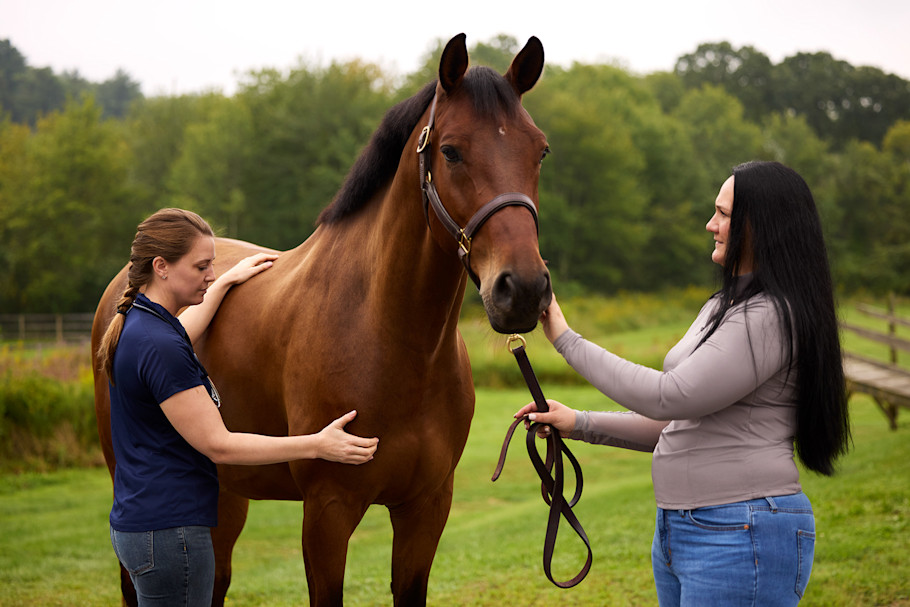
Maintaining a horse’s health is a top priority for every responsible owner. Horses are robust animals, but they are also prone to a range of health challenges that can impact their wellbeing and performance. By understanding the most frequent issues and implementing proactive care, you can help your horse thrive and avoid unnecessary discomfort or costly veterinary bills. This guide provides practical advice for preventing common horse health problems, focusing on daily routines, nutrition, environment, and professional care.
Whether you’re a new horse owner or an experienced equestrian, adopting a preventative approach is key to keeping your horse in optimal condition. For a more detailed overview of basic horse care routines, you can consult this comprehensive horse care guide that covers everything from feeding to grooming.
Daily Care Routines to Avoid Frequent Health Issues
Consistent daily care is the cornerstone of preventing common horse health problems. Horses benefit from routines that include regular feeding, exercise, grooming, and observation. Early detection of subtle changes in behavior or appearance often leads to faster intervention and better outcomes.
- Monitor appetite and water intake: Sudden changes can signal digestive or metabolic issues.
- Check for injuries: Inspect legs, hooves, and skin for cuts, swelling, or heat.
- Groom daily: Grooming removes dirt, stimulates circulation, and allows you to spot skin conditions early.
- Observe manure and urine: Abnormalities may indicate colic, dehydration, or infection.
- Provide turnout: Regular movement supports joint and digestive health.
Nutrition and Hydration: The Foundation of Equine Health
Proper nutrition is essential for a horse’s immune system, energy, and overall wellbeing. Many health problems stem from imbalances in diet or inadequate water supply. Here are key principles for supporting your horse’s health through nutrition:
- Feed high-quality forage: Good hay or pasture should form the basis of the diet.
- Balance concentrates: Use grain or pelleted feeds only as needed, based on activity level and body condition.
- Ensure constant access to clean water: Dehydration is a leading cause of colic and other health issues.
- Provide salt and minerals: Salt blocks or loose minerals help maintain electrolyte balance, especially in hot weather or during heavy work.
- Monitor body condition: Adjust feed amounts to prevent obesity or underweight conditions, both of which can lead to metabolic disorders.
Hoof and Skin Care: Preventing Lameness and Infections
Hoof problems and skin conditions are among the most common health challenges for horses. Regular hoof care and attention to the skin can prevent painful and sometimes debilitating issues.
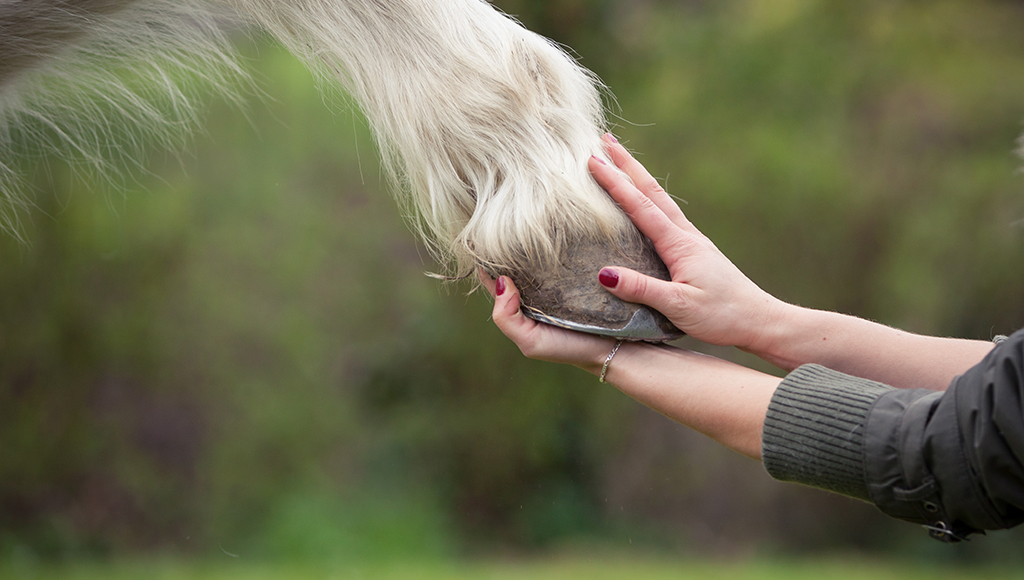
- Pick out hooves daily: Remove debris and check for thrush, cracks, or punctures.
- Schedule regular farrier visits: Hooves should be trimmed or shod every 6–8 weeks, depending on growth and use.
- Keep stalls and paddocks clean: Wet, dirty environments increase the risk of hoof infections and skin irritations.
- Watch for skin problems: Rain rot, scratches, and fungal infections can develop quickly, especially in humid or muddy conditions.
- Use appropriate grooming tools: Regular brushing helps distribute natural oils and keeps the coat healthy.
Vaccinations, Deworming, and Parasite Control
Preventative veterinary care is crucial for reducing the risk of infectious diseases and internal parasites. Work with your veterinarian to develop a schedule tailored to your horse’s age, environment, and risk factors.
- Vaccinate annually: Core vaccines typically include tetanus, Eastern and Western equine encephalomyelitis, West Nile virus, and rabies. Additional vaccines may be recommended based on location and exposure.
- Implement strategic deworming: Use fecal egg counts to guide deworming frequency and product selection, reducing resistance and unnecessary treatments.
- Practice good pasture management: Rotate grazing areas, remove manure, and avoid overstocking to minimize parasite loads.
- Quarantine new arrivals: Isolate new horses for at least two weeks to monitor for signs of illness or parasites before introducing them to the herd.
Environmental Management for Healthier Horses
The environment plays a significant role in equine health. Clean, safe, and well-ventilated facilities reduce the risk of respiratory problems, injuries, and disease transmission.
- Provide shelter: Horses need protection from extreme weather, including sun, wind, and precipitation.
- Maintain good ventilation: Stale air and dust can contribute to respiratory conditions like heaves.
- Remove hazards: Regularly inspect pastures and stalls for sharp objects, toxic plants, or unsafe fencing.
- Control pests: Flies, mosquitoes, and rodents can transmit diseases and cause stress.
- Ensure adequate space: Overcrowding increases the risk of injuries and stress-related health issues.
Recognizing Early Warning Signs
Early intervention is often the difference between a minor issue and a serious health crisis. Familiarize yourself with the normal vital signs and behaviors of your horse. Promptly address any of the following:
- Sudden changes in appetite, water intake, or behavior
- Lameness, reluctance to move, or uneven gait
- Swelling, heat, or pain in limbs or joints
- Abnormal breathing, coughing, or nasal discharge
- Diarrhea, constipation, or colic symptoms
- Unusual lumps, bumps, or skin lesions
Grooming and Coat Care for Disease Prevention
Regular grooming is not just about appearance—it’s a vital part of preventing common horse health problems. Clean coats and skin help reduce the risk of infections and allow for early detection of issues.
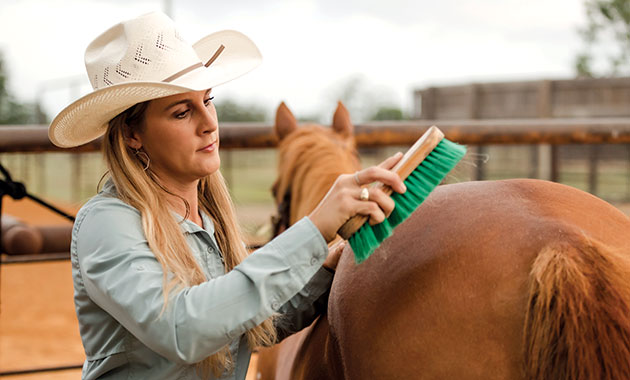
- Brush daily: Removes dirt and loose hair, stimulates skin, and spreads natural oils.
- Check for parasites: Look for ticks, lice, or mites, especially in warmer months.
- Wash as needed: Use mild shampoos to clean sweat and mud, but avoid over-bathing, which can dry the skin.
- Inspect for wounds: Treat minor cuts promptly to prevent infection.
When to Call the Veterinarian
While many minor issues can be managed at home, some situations require immediate professional attention. Contact your veterinarian if you notice:
- Signs of colic (rolling, pawing, looking at the flank, not eating)
- Severe lameness or inability to bear weight
- Profuse bleeding or deep wounds
- High fever or persistent cough
- Sudden vision problems or eye injuries
- Unexplained weight loss or chronic diarrhea
Frequently Asked Questions
What are the most common health problems in horses?
Some of the most frequent issues include colic, lameness, hoof abscesses, respiratory infections, skin conditions like rain rot, and dental problems. Regular care and observation help reduce the risk of these conditions.
How often should I deworm my horse?
Deworming frequency depends on your horse’s age, environment, and fecal egg count results. Many veterinarians now recommend targeted deworming based on fecal testing rather than a fixed schedule to prevent resistance.
What vaccinations does my horse need?
Core vaccines typically include tetanus, West Nile virus, Eastern and Western equine encephalomyelitis, and rabies. Your veterinarian may recommend additional vaccines based on your region and your horse’s exposure risk.
How can I tell if my horse is dehydrated?
Signs of dehydration include dry gums, sunken eyes, poor skin elasticity, and reduced urination. Always ensure your horse has access to clean, fresh water, especially during hot weather or after exercise.
Why is regular grooming important for my horse’s health?
Grooming helps maintain skin and coat health, allows for early detection of injuries or parasites, and strengthens the bond between horse and handler.
By following these expert recommendations for preventing common horse health problems, you can help ensure your horse remains healthy, comfortable, and ready to enjoy life with you for years to come.