
Maintaining your horse’s flexibility is essential for their comfort, performance, and long-term health. Incorporating stretching exercises for horses into a regular care routine can help prevent injuries, improve range of motion, and support overall well-being. Whether your horse is a competitive athlete or a beloved companion, gentle stretches can make a significant difference in their mobility and quality of life.
Before starting any new exercise or stretching program, it’s important to understand the basics of equine anatomy and safe handling. Consulting with your veterinarian or an experienced equine physiotherapist can ensure that the stretches you choose are appropriate for your horse’s age, condition, and activity level. For a comprehensive overview of best practices in equine care, visit this guide to proper horse management.
Why Flexibility Matters for Equine Health
Flexibility is a key component of a horse’s physical health. Horses rely on a wide range of motion for everything from grazing to athletic performance. When muscles and joints are supple, horses move more freely and are less likely to suffer from strains, sprains, or chronic stiffness. Regular stretching can:
- Reduce the risk of injury by keeping muscles and tendons elastic
- Enhance performance in disciplines like dressage, jumping, and eventing
- Support rehabilitation after injury or surgery
- Promote relaxation and mental well-being
Incorporating stretching exercises for horses into your routine is a proactive way to support your horse’s longevity and comfort.
Preparing for Safe Stretching Sessions
Before beginning any stretching routine, ensure your horse is calm, relaxed, and standing on level ground. Always work in a safe, quiet environment free from distractions. Here are some tips to prepare:
- Groom your horse thoroughly to check for any soreness, swelling, or injuries.
- Warm up your horse with a light walk or gentle hand-led movement for 5–10 minutes.
- Use a halter and lead rope, and have a helper if your horse is new to stretching.
- Never force a stretch—move slowly and stop if your horse shows signs of discomfort.
Essential Stretching Techniques for Horses
There are several effective stretches that can be safely performed with most horses. The following exercises target key muscle groups and joints, promoting flexibility and comfort. Always reward your horse with gentle praise or a treat after each stretch to reinforce positive behavior.
Neck and Poll Stretches
Encouraging your horse to stretch their neck and poll helps relieve tension and improves lateral flexibility. Hold a treat or your hand at the horse’s side, just behind the shoulder, and encourage them to turn their head and neck toward it. Repeat on both sides, holding the stretch for a few seconds. This exercise is especially beneficial for horses that work in collected frames or carry tension in the poll area.
Forelimb and Shoulder Stretches
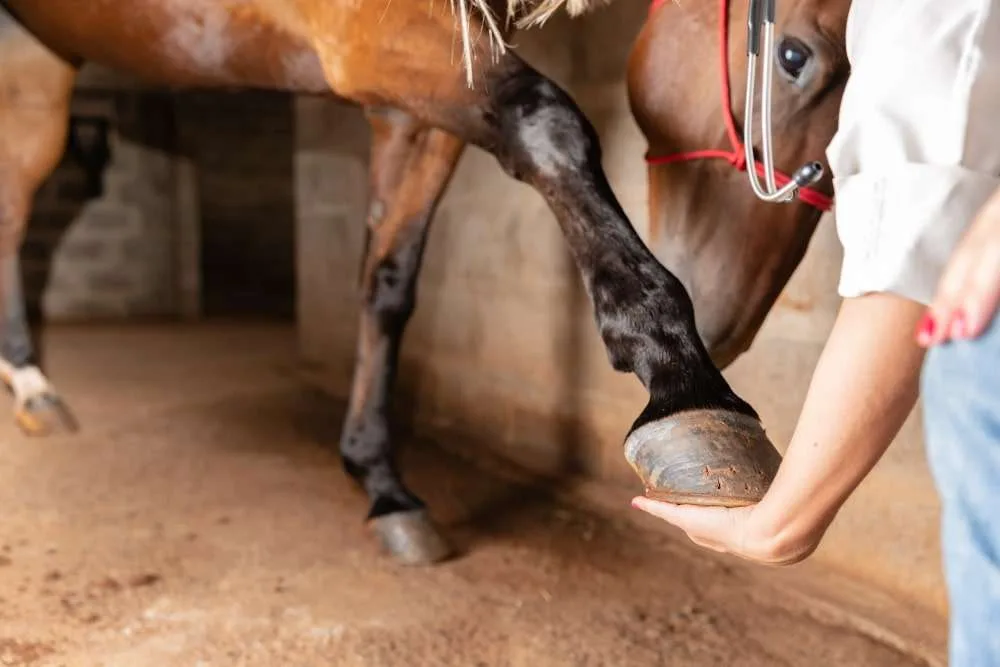
To stretch the front legs and shoulders, gently lift one forelimb and bring it forward, supporting the knee and fetlock. Hold the leg in a straight, forward position for 10–15 seconds, then release. This stretch helps maintain shoulder mobility and can be particularly useful for horses returning from injury or those with a history of stiffness.
Hindlimb and Hip Stretches
For the hindquarters, carefully lift a hind leg and extend it backward, supporting the fetlock. Hold for 10–15 seconds and repeat on the other side. This movement targets the hamstrings and gluteal muscles, which are crucial for propulsion and athletic performance. Always move slowly and monitor your horse’s comfort throughout the stretch.
Tips for Effective Equine Stretching Routines
To maximize the benefits of flexibility exercises, consider these practical tips:
- Start with short sessions and gradually increase duration as your horse becomes accustomed to stretching.
- Observe your horse’s body language—signs of relaxation include licking, chewing, and soft eyes.
- Incorporate stretching into your grooming or cool-down routine for consistency.
- Work both sides of the horse equally to promote balanced muscle development.
- Use products like liniment gel after exercise to soothe muscles and support recovery.
Remember, consistency is key. Even a few minutes of stretching several times a week can yield noticeable improvements in your horse’s mobility and comfort.
Common Mistakes to Avoid
While stretching exercises for horses are generally safe, there are some common pitfalls to watch out for:
- Forcing a stretch or moving too quickly, which can cause discomfort or injury
- Ignoring signs of pain, resistance, or anxiety from your horse
- Stretching cold muscles—always warm up first
- Neglecting to consult a professional for horses with existing injuries or medical conditions
When in doubt, seek guidance from your veterinarian or a qualified equine therapist to ensure you’re using the best techniques for your horse’s individual needs.
Integrating Flexibility Work Into Daily Horse Care
Making stretching a regular part of your horse’s care routine doesn’t have to be complicated. Many owners find that combining stretches with grooming, hand-walking, or after exercise sessions helps establish a positive habit. Using a quality grooming kit can also make the process more enjoyable for both you and your horse, as it allows you to check for soreness and build trust before stretching.
For more information on holistic horse management, including nutrition, exercise, and preventive care, explore resources from reputable equine organizations and consult with your veterinary team regularly.
Frequently Asked Questions
How often should I stretch my horse?
Most horses benefit from stretching two to three times per week, though some may enjoy or require daily sessions. The frequency depends on your horse’s age, workload, and overall health. Always monitor your horse’s response and adjust as needed.
Can stretching help with injury prevention?
Yes, regular stretching helps maintain muscle elasticity and joint mobility, which can reduce the risk of strains and other injuries. It’s especially valuable for horses in active training or those recovering from minor injuries, but should always be done gently and with professional input if your horse has a medical history.
What signs indicate my horse enjoys or benefits from stretching?
Positive signs include relaxed posture, licking or chewing, soft eyes, and willingness to participate. If your horse seems resistant, anxious, or shows signs of pain, stop immediately and consult a professional before continuing.