
Maintaining optimal horse respiratory health is essential for every equine owner, whether you care for a single companion or manage a stable of performance horses. The respiratory system is vital for oxygen delivery, stamina, and overall wellbeing. Regular evaluations and proactive management can help prevent issues, detect early warning signs, and support your horse’s long-term health.
This guide covers practical steps for monitoring your horse’s breathing, recognizing symptoms of respiratory distress, and implementing daily routines that encourage clear airways. We’ll also highlight tools and resources that can make a difference in your horse’s comfort and performance.
For comprehensive care guidelines, the Humane World’s horse care recommendations offer valuable insights on daily routines, feeding, and environment management that support respiratory health.
Why Routine Respiratory Assessments Matter
Early detection of breathing problems can prevent minor irritations from developing into chronic or life-threatening conditions. Horses are especially sensitive to dust, mold, and airborne irritants, making them prone to issues like allergies, heaves (recurrent airway obstruction), and infections. By incorporating horse respiratory health checks into your routine, you can:
- Spot subtle changes in breathing or behavior
- Reduce the risk of performance decline due to undetected illness
- Minimize the need for emergency veterinary interventions
- Enhance your horse’s comfort and longevity
Key Signs of Respiratory Distress in Horses
Recognizing the early indicators of respiratory trouble is crucial. Some symptoms are obvious, while others may be more subtle. Watch for the following:
- Nasal discharge (clear, yellow, or green)
- Frequent or forceful coughing
- Labored or noisy breathing, especially at rest
- Flared nostrils or extended head and neck posture
- Reduced appetite or reluctance to exercise
- Increased respiratory rate (normal is 8–16 breaths per minute at rest)
If you notice any of these signs, consult your veterinarian promptly. Early intervention can make a significant difference in recovery and long-term health.
How to Perform Basic Breathing Evaluations
Routine horse respiratory health checks can be performed by horse owners with minimal equipment. Here’s how to get started:
- Observe at Rest: Watch your horse in a calm environment. Count the number of breaths in 60 seconds. Note the rhythm, depth, and any unusual sounds.
- Check After Exercise: Monitor how quickly your horse’s breathing returns to normal after work. Delayed recovery may indicate underlying issues.
- Listen for Abnormal Sounds: Wheezing, rattling, or whistling noises can signal airway obstruction or inflammation.
- Inspect Nostrils and Muzzle: Look for discharge, crusting, or swelling around the nostrils.
- Assess Mucous Membranes: Gently lift the upper lip and check the color of the gums. Healthy gums are pink and moist; pale or blue-tinged gums may indicate oxygen deprivation.
Keep a log of your findings. Consistent monitoring helps you notice subtle changes over time and provides valuable information for your veterinarian.
Environmental Factors Affecting Equine Breathing
Stable management plays a significant role in supporting clear airways. Horses are highly sensitive to their environment, and even small changes can impact their respiratory system. Consider the following:
- Ventilation: Ensure stables are well-ventilated to reduce dust and ammonia buildup.
- Bedding Choices: Opt for low-dust bedding such as paper, cardboard, or dust-extracted shavings.
- Feeding Practices: Soak hay or use haylage to minimize dust inhalation during feeding.
- Pasture Time: Allow regular turnout to provide fresh air and reduce exposure to stable irritants.
- Cleaning Routines: Remove manure and soiled bedding daily to limit ammonia and mold spores.
By optimizing your horse’s living conditions, you can significantly lower the risk of respiratory problems and support overall health.

Veterinary Diagnostics and When to Seek Help
While regular owner checks are invaluable, some conditions require professional evaluation. Your veterinarian may use tools such as endoscopy, ultrasound, or radiographs to assess deeper airway structures. Common diagnostic steps include:
- Listening to the lungs and trachea with a stethoscope
- Sampling nasal discharge for laboratory analysis
- Performing a “rebreathing bag” test to evaluate lung function
- Blood tests to check for infection or inflammation
Contact your vet immediately if your horse shows severe distress, persistent cough, or abnormal breathing at rest. Prompt action can prevent complications and support a swift recovery.
Daily Habits That Support Healthy Breathing
Beyond formal assessments, daily routines can make a big difference in your horse’s respiratory wellness. Consider these habits:
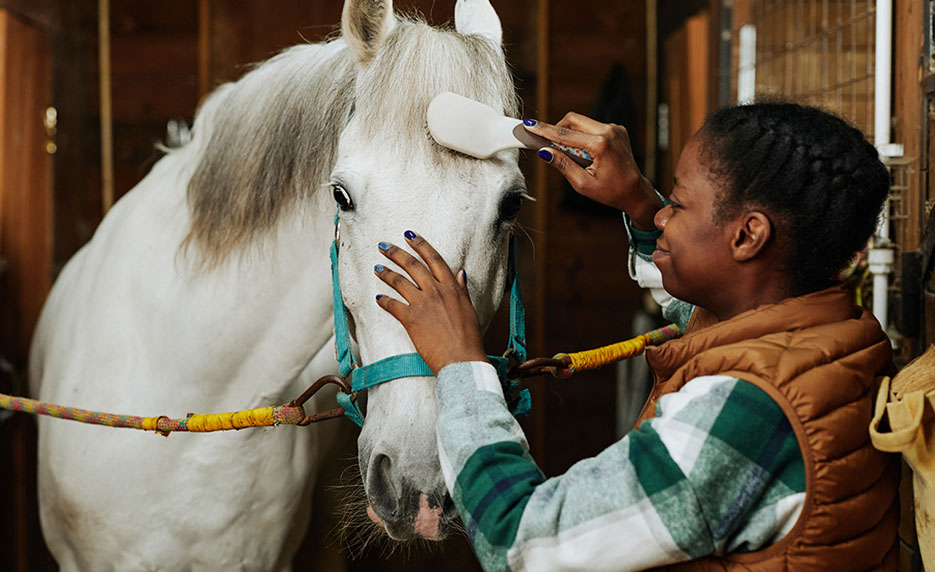
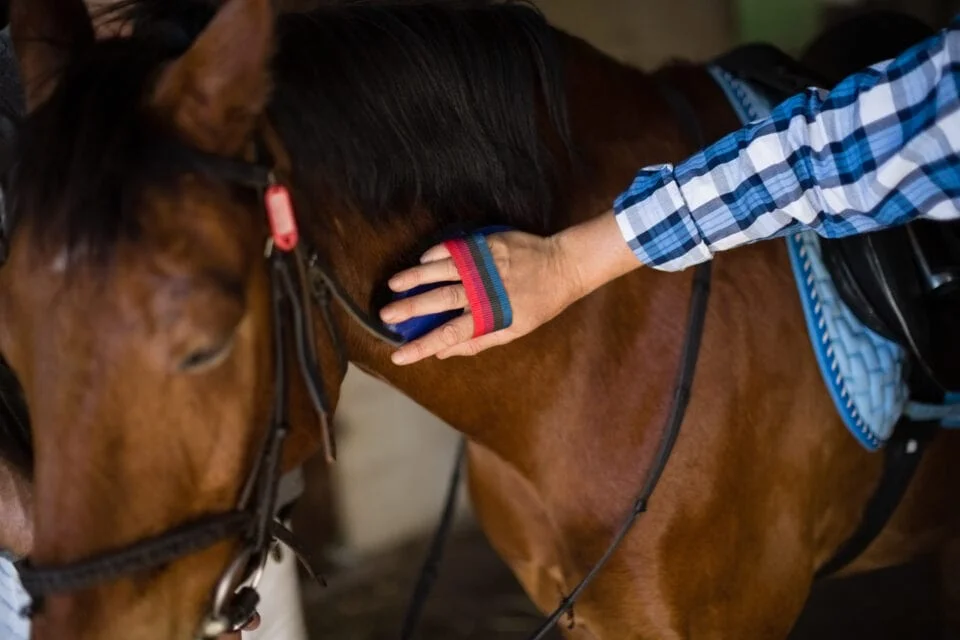
- Groom your horse regularly to remove dust and allergens from the coat
- Keep tack and equipment clean to avoid mold buildup
- Monitor herd mates for signs of contagious illness
- Provide fresh, clean water at all times
- Adjust exercise intensity based on weather and air quality
Consistency in these practices helps create an environment where your horse can thrive and breathe with ease.
Frequently Asked Questions
How often should I check my horse’s breathing?
It’s recommended to observe your horse’s breathing daily, especially during grooming or after exercise. More thorough horse respiratory health checks should be performed weekly, and any sudden changes should prompt immediate attention.
What are the most common causes of respiratory problems in horses?
Dust, mold, poor ventilation, viral or bacterial infections, and allergies are leading causes. Environmental management and routine monitoring are key to prevention.
Can I prevent respiratory issues through diet?
While diet alone can’t prevent all problems, feeding dust-free hay, soaking forage, and ensuring balanced nutrition support overall health and reduce irritant exposure.
When should I call the vet for respiratory concerns?
If your horse shows persistent coughing, labored breathing, nasal discharge, or reluctance to move, contact your veterinarian promptly. Early intervention is critical for the best outcome.