
Horses are creatures of habit, and their eating patterns can reveal a lot about their overall health. Noticing a shift in your horse’s appetite can be concerning, especially if you’re unsure whether it’s a minor fluctuation or a sign of something more serious. This guide will help you recognize what’s normal, what’s not, and how to respond when your horse’s eating habits change.
Monitoring feeding behavior is a fundamental part of responsible equine care. If you’re new to horse ownership or want to brush up on the basics, resources like this beginner’s guide to horse care provide a solid foundation. Early recognition of appetite changes can make a significant difference in your horse’s well-being and recovery if health issues arise.
Common Reasons for Appetite Fluctuations in Horses
There are many factors that can influence a horse’s desire to eat. Some are harmless and temporary, while others may require closer attention. Understanding the possible causes is the first step in managing feeding issues effectively.
- Environmental changes: Moving to a new stable, changes in weather, or alterations in routine can temporarily affect eating habits.
- Dietary adjustments: Introducing new feed, hay, or supplements may cause a horse to eat less until they adjust.
- Social dynamics: Changes in herd hierarchy or the introduction of new horses can lead to stress and appetite loss.
- Dental issues: Problems like sharp points, loose teeth, or mouth ulcers can make chewing painful and reduce food intake.
- Medical conditions: Illnesses such as colic, ulcers, infections, or metabolic disorders often present with decreased appetite as an early symptom.
- Parasites: Heavy worm burdens can interfere with digestion and appetite.
Recognizing the context of appetite changes is essential. For example, a mild decrease in eating after a feed change may be normal, but a sudden refusal to eat should be taken seriously.

Identifying Serious Appetite Changes in Horses
While minor fluctuations are common, certain signs indicate that a horse’s reduced appetite may be a symptom of a more significant problem. Knowing when to act can help prevent complications and support your horse’s recovery.
Warning Signs That Require Immediate Attention
- Complete refusal to eat or drink for more than 12 hours
- Sudden, severe drop in food intake with no obvious cause
- Accompanying symptoms such as fever, lethargy, colic signs, diarrhea, or nasal discharge
- Rapid weight loss or visible changes in body condition
- Difficulty chewing or dropping feed
If you notice any of these symptoms, contact your veterinarian promptly. Early intervention is crucial, especially if your horse is showing signs of distress or dehydration.
How to Monitor and Track Feeding Behavior
Keeping a daily record of your horse’s eating habits can help you spot patterns and provide valuable information to your veterinarian. Here are some practical tips for tracking appetite:
- Note the amount and type of feed offered and consumed each day.
- Observe how long it takes your horse to finish meals.
- Watch for changes in interest in treats or grazing behavior.
- Check for leftover hay or grain in the stall or paddock.
- Monitor water intake, as decreased drinking often accompanies appetite loss.
Consistent tracking makes it easier to distinguish between minor, short-term changes and ongoing issues that may require veterinary attention.
Steps to Take When Your Horse’s Appetite Changes
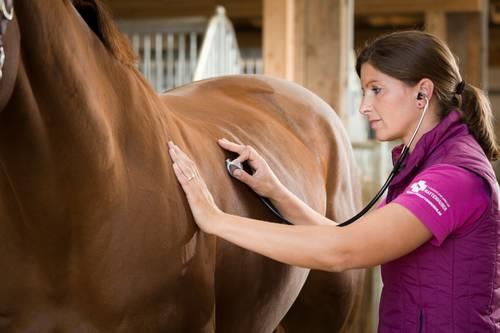
If you notice your horse is eating less or refusing food, follow these steps to determine the cause and respond appropriately:
- Assess the situation: Check for other symptoms such as fever, colic, or respiratory distress.
- Review recent changes: Consider any new feeds, medications, or environmental factors.
- Inspect the mouth: Look for dental problems, ulcers, or foreign objects if your horse allows.
- Monitor manure: Changes in consistency, frequency, or color can provide clues about digestive health.
- Contact your veterinarian: If appetite loss persists or is accompanied by other symptoms, seek professional advice.
In some cases, your vet may recommend diagnostic tests such as bloodwork, fecal exams, or dental evaluations to identify underlying issues.
Supporting Your Horse’s Recovery and Well-Being
Once the cause of appetite loss is identified, following your veterinarian’s recommendations is key. In addition to medical treatment, there are several ways to support your horse’s return to normal eating habits:
- Offer small, frequent meals to encourage eating.
- Provide fresh, clean water at all times.
- Ensure a calm, stress-free environment during feeding.
- Maintain a consistent feeding schedule.
- Use high-quality forage and avoid sudden dietary changes.
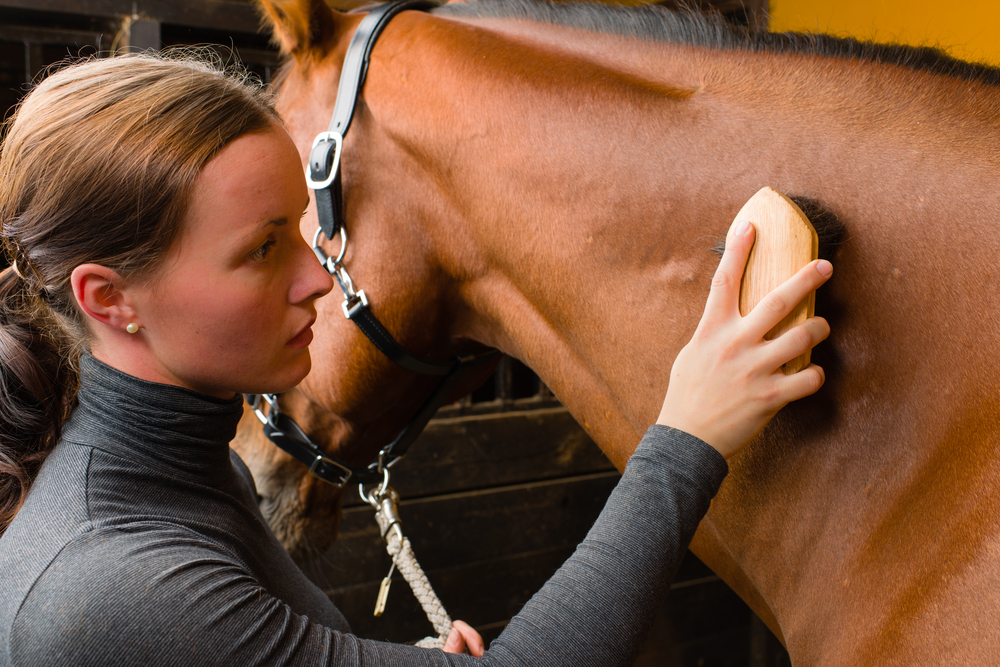
Regular grooming and gentle exercise, when appropriate, can also help stimulate appetite and promote overall health.
Prevention: Keeping Your Horse’s Appetite Healthy
Preventing appetite problems starts with good management practices. Here are some strategies to reduce the risk of feeding issues:
- Schedule routine dental check-ups to address problems before they affect eating.
- Follow a regular deworming program based on veterinary guidance.
- Minimize stress by maintaining a stable routine and environment.
- Introduce new feeds gradually to allow the digestive system to adjust.
- Monitor herd dynamics to prevent bullying or feed competition.
Staying proactive with your horse’s care can help you catch subtle changes early and keep your equine companion healthy and content.
Frequently Asked Questions
What are the most common causes of appetite loss in horses?
Appetite loss in horses is often due to dental issues, stress, changes in diet or environment, illness, or parasite burdens. Identifying the underlying cause is essential for effective management.
How long can a horse safely go without eating?
Horses should not go without food for more than 12–24 hours. Extended periods without eating can lead to serious complications such as colic or hyperlipemia, especially in overweight or older horses.
When should I call the vet about my horse’s appetite?
Contact your veterinarian if your horse refuses to eat for more than 12 hours, shows additional symptoms like fever or colic, or if you notice rapid weight loss or changes in behavior.
Can changes in weather affect my horse’s appetite?
Yes, extreme heat or cold can temporarily reduce a horse’s desire to eat. Ensure your horse has access to fresh water and adjust feeding routines as needed during weather changes.
Staying attentive to your horse’s eating patterns and responding quickly to changes is one of the best ways to support their health. For more information on horse care fundamentals, consider reviewing this comprehensive guide for beginners.