
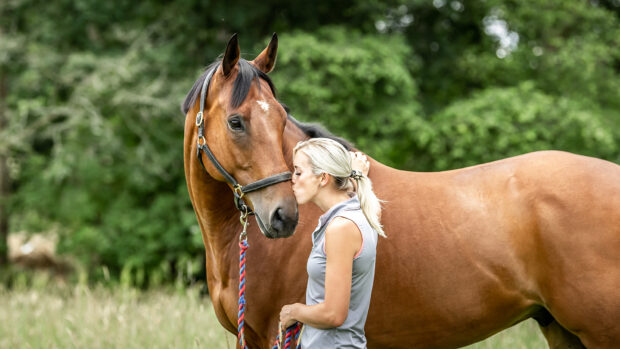
Horses communicate primarily through subtle physical cues and body movements. For anyone who spends time around these animals, understanding horse body language is essential for safety, effective training, and building a strong relationship. By learning to interpret the signals horses give with their ears, eyes, posture, and tail, you can respond appropriately and foster trust.
This article offers a practical overview of how to read equine signals, what common gestures mean, and how to apply this knowledge in daily horse care and handling. Whether you are a new owner or an experienced equestrian, recognizing these nonverbal cues can help prevent misunderstandings and deepen your connection with your horse.
If you’re just starting your journey with horses, you may find it helpful to consult resources like this comprehensive guide for new horse owners to complement your learning about equine communication.
Key Elements of Equine Communication
Horses rely on a combination of physical gestures, vocalizations, and even subtle changes in breathing to express themselves. The most reliable indicators of a horse’s mood and intent are found in their body language. By paying attention to these signals, handlers can anticipate reactions and avoid potentially dangerous situations.
- Ears: The position and movement of a horse’s ears are among the most expressive indicators of their attention and mood.
- Eyes: The size, shape, and direction of a horse’s gaze can reveal fear, relaxation, or curiosity.
- Tail: How a horse holds and moves its tail often signals agitation, relaxation, or alertness.
- Posture: The stance of the body, neck, and head can indicate confidence, submission, or readiness to flee.
Reading Ear Positions and Movements
One of the most noticeable aspects of understanding horse body language is ear position. Horses have highly mobile ears that can rotate almost 180 degrees, allowing them to focus on sounds and express their feelings.
- Forward ears: Indicate interest, curiosity, or alertness. The horse is paying attention to something in front of them.
- Pinned back ears: Suggest irritation, aggression, or discomfort. This is a warning sign to give the horse space.
- One ear forward, one back: Shows the horse is listening to multiple things at once, often the handler and the environment.
- Relaxed, sideways ears: Signal calmness and contentment.
Interpreting Eye Expressions and Facial Tension
The eyes are another window into a horse’s emotional state. Large, wide-open eyes with visible whites usually indicate fear or surprise. Soft, half-closed eyes generally mean the horse is relaxed and comfortable. Watch for tension around the muzzle and nostrils, as flaring or tightness can reveal anxiety or pain.
Recognizing Tail Signals and Body Posture
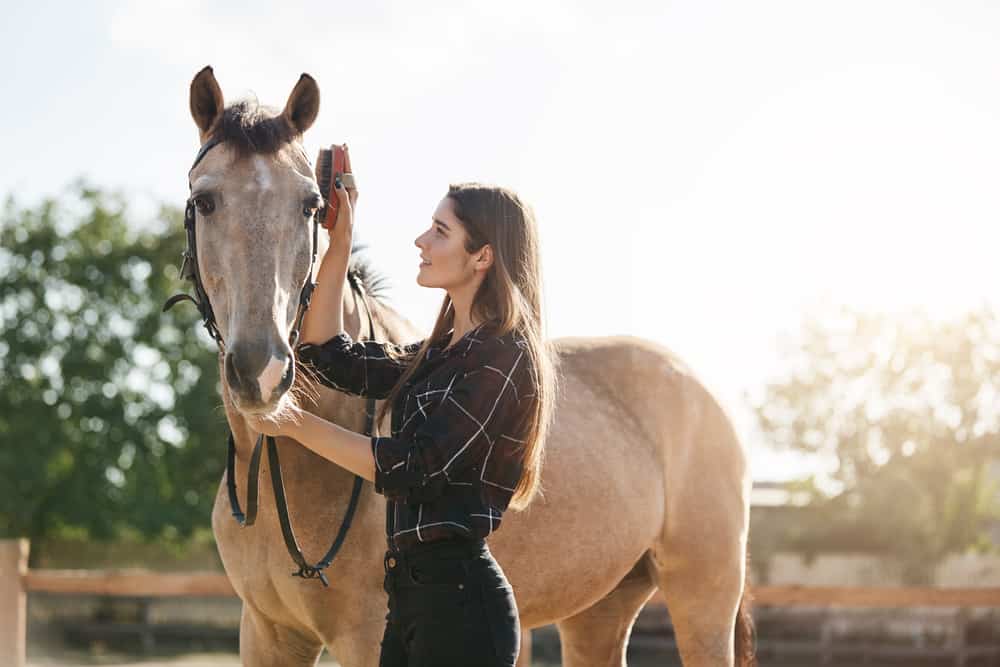
The tail is a powerful tool for communication. Swishing can mean annoyance or an attempt to shoo away flies, but rapid, agitated movement often signals frustration. A raised tail may indicate excitement or alarm, while a relaxed, gently swinging tail suggests contentment.
Body posture is equally important. A horse standing squarely with a relaxed neck and soft eyes is comfortable. If the horse’s muscles are tense, head is raised, and weight is shifted back, they may be ready to flee. Lowered heads and relaxed bodies are signs of trust and calmness.
Common Equine Gestures and Their Meanings
To effectively interpret horse body language, it’s helpful to recognize some of the most common behaviors:
- Pawing the ground: Can indicate impatience, anxiety, or discomfort.
- Head tossing: May be a sign of irritation, pain, or an attempt to remove an annoyance.
- Biting or nipping: Often a warning or a sign of discomfort, but can also be playful in young horses.
- Backing away: Indicates fear, uncertainty, or a desire to avoid something.
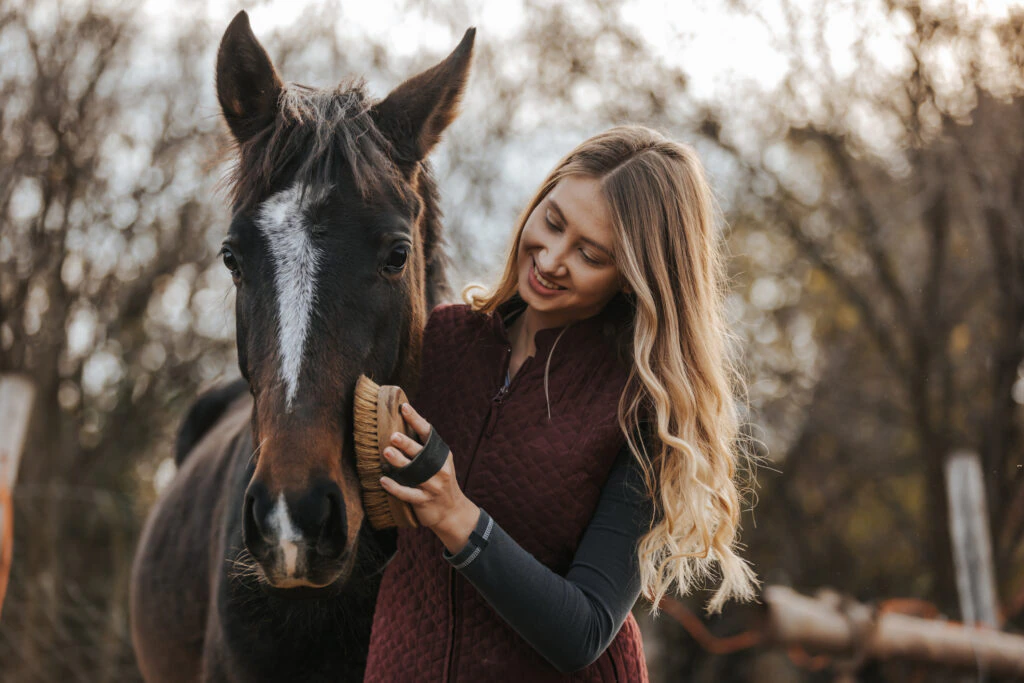
- Approaching with a lowered head: Shows trust and a willingness to interact.
By observing these gestures in context, you can better understand what your horse is trying to communicate and respond accordingly.
Building Trust Through Observation and Response
Developing a strong bond with your horse relies on mutual understanding and respect. By consistently observing and responding to your horse’s signals, you demonstrate that you are attentive and trustworthy. This, in turn, encourages the horse to communicate more openly and reduces the likelihood of negative behaviors.
When approaching a horse, move slowly and watch for signs of tension or relaxation. Speak softly, avoid sudden movements, and give the horse time to process your presence. If you notice signs of discomfort or agitation, pause and allow the horse to settle before proceeding.
Practical Tips for Interpreting Equine Signals
Here are some actionable steps for anyone looking to improve their skill in reading equine cues:
- Spend time observing horses in different settings, such as at rest, during grooming, or while interacting with others.
- Keep a journal of behaviors you notice and the context in which they occur. Over time, patterns will emerge.
- Work with experienced handlers or trainers who can point out subtle cues and provide feedback.
- Always consider the environment—loud noises, new objects, or unfamiliar people can influence a horse’s behavior.
- Remember that every horse is an individual; what is normal for one may not be for another.
Frequently Asked Questions
How can I tell if my horse is relaxed or stressed?
A relaxed horse will have a soft eye, a lowered head, relaxed ears, and a gently swinging tail. Signs of stress include wide eyes with visible whites, tense muscles, pinned ears, and a swishing or clamped tail.
What does it mean when a horse pins its ears back?
Pinned ears are a clear warning sign of irritation, aggression, or discomfort. It’s best to give the horse space and assess the situation to prevent escalation.
Are there differences in body language between individual horses?
Yes, while there are general patterns, each horse has its own personality and may express itself differently. Spending time with your horse and observing their unique habits is key to accurate interpretation.
Conclusion
Learning to read and respond to equine signals is a valuable skill for anyone involved with horses. By paying close attention to ears, eyes, tail, and posture, you can ensure safer interactions and a more rewarding partnership. Consistent observation and patience will help you become fluent in the subtle language of horses, making every moment spent together more enjoyable and productive.