
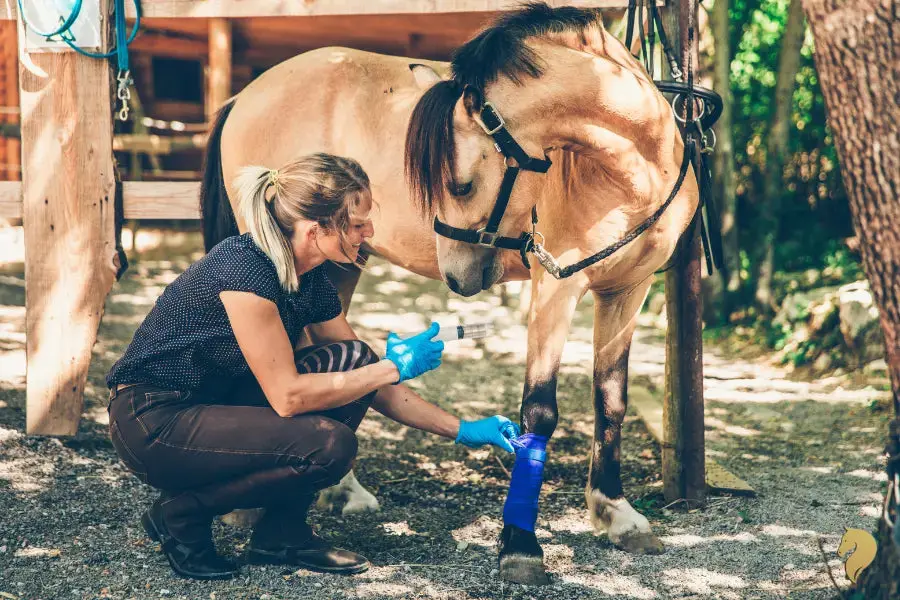
Starting out with horses is an exciting journey, but it comes with a steep learning curve. Responsible ownership means understanding the essentials of daily routines, nutrition, health checks, and the right equipment. This beginner horse care guide provides a practical foundation for anyone new to equine care, helping you build confidence and ensure your horse’s well-being from day one.
Whether you’re considering your first horse or have just welcomed one into your life, it’s important to learn the basics of feeding, grooming, shelter, and veterinary needs. Early knowledge helps prevent common mistakes and sets you up for a positive relationship with your horse. For a deeper dive into introductory topics, you may also find this comprehensive resource on horse care basics for beginners helpful as you get started.
Essential Daily Horse Care Tasks for New Owners
Establishing a consistent daily routine is fundamental for horse health and happiness. Horses thrive on predictability, and regular care helps you spot health issues early. Here are the key daily responsibilities every new horse owner should know:
- Feeding: Provide fresh hay or pasture, and supplement with grain or concentrates if needed. Always ensure access to clean water.
- Grooming: Brush your horse daily to remove dirt, check for injuries, and build trust. Use a curry comb, stiff brush, and finishing brush for best results.
- Hoof Care: Pick out hooves every day to prevent infections and check for stones or cracks.
- Health Checks: Observe your horse for signs of illness, such as changes in appetite, behavior, or appearance.
- Stall and Pasture Cleaning: Remove manure and soiled bedding daily to reduce odor and the risk of disease.
Consistency in these tasks not only keeps your horse healthy but also strengthens your bond and helps your horse feel secure in its environment.
Feeding and Nutrition Basics for Beginners
Proper nutrition is a cornerstone of good horse care. Horses are grazing animals with digestive systems designed for frequent, small meals. Here’s what every new owner should know about feeding:
- Forage First: The bulk of a horse’s diet should be high-quality hay or pasture grass. Forage keeps the digestive system functioning properly.
- Concentrates: Grains and pelleted feeds can supplement forage, especially for horses with higher energy needs, but should never replace it entirely.
- Water: Horses require 5-10 gallons of fresh water daily. Always check and refill water sources.
- Salt and Minerals: Provide a salt block or mineral supplement to support electrolyte balance and overall health.
- Feeding Schedule: Feed at the same times each day to help prevent digestive upset.
Monitor your horse’s weight and condition regularly, and adjust feed as needed. If you’re unsure about your horse’s dietary needs, consult an equine nutritionist or veterinarian for guidance.
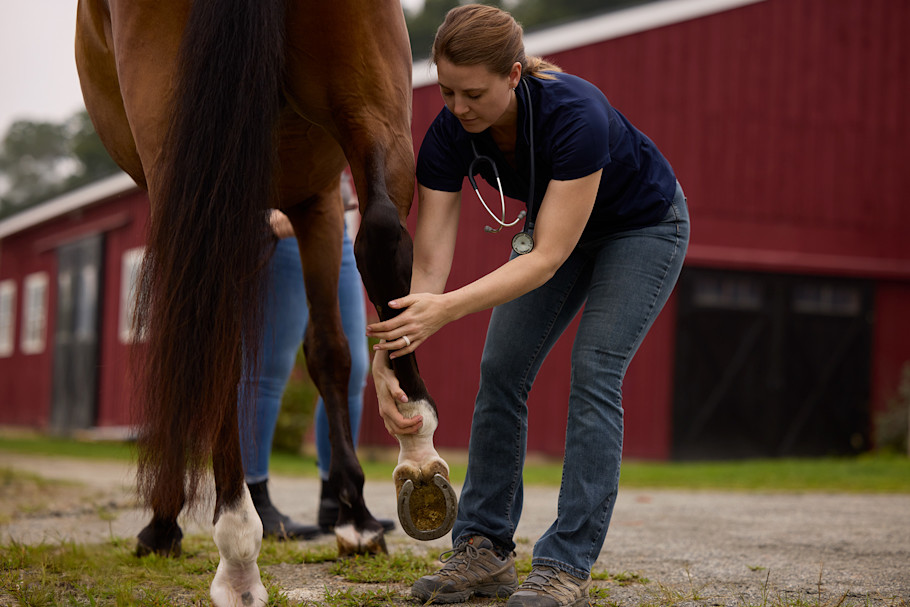
Grooming and Hoof Care: Building Good Habits
Regular grooming is more than just keeping your horse looking good—it’s essential for their comfort and health. Grooming sessions allow you to check for cuts, swelling, or parasites. Here’s how to get started:
- Daily Brushing: Use a curry comb to loosen dirt, followed by a stiff brush to remove debris, and finish with a soft brush for shine.
- Mane and Tail: Detangle gently with your fingers or a wide-tooth comb to avoid breakage.
- Hoof Cleaning: Pick out each hoof daily, checking for stones, cracks, or signs of thrush.
- Bathing: Bathe your horse occasionally with equine-safe shampoo, especially after heavy exercise or in hot weather.
Investing in a quality grooming kit makes the process easier and more enjoyable for both you and your horse. Regular grooming also helps you notice changes in your horse’s skin or coat that may indicate health issues.
Safe Shelter and Comfortable Living Spaces
Providing a safe and comfortable environment is a key part of responsible horse ownership. Horses need shelter from extreme weather, clean bedding, and secure fencing. Consider these basics:
- Stabling: If your horse is kept in a stall, ensure it’s well-ventilated, dry, and cleaned daily.
- Pasture: Horses benefit from turnout time in a secure, grassy area. Check fencing regularly for damage.
- Shelter: Even if your horse lives outside, provide a run-in shed or shelter to protect from wind, rain, and sun.
- Bedding: Use straw, shavings, or other suitable materials to keep stalls dry and comfortable.
Regularly inspect your horse’s living area for hazards such as sharp objects, toxic plants, or loose wires. A safe environment reduces the risk of injury and stress.
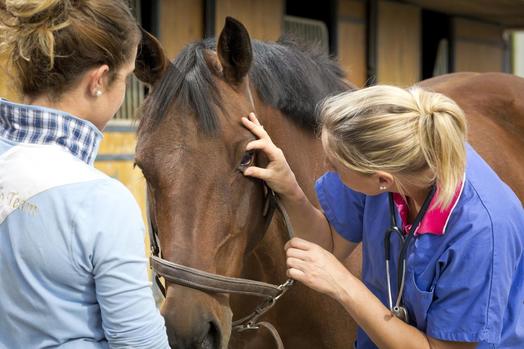
Veterinary Care and Preventive Health for Starters
Staying proactive about your horse’s health is crucial. Regular check-ups and preventive care help catch problems early and keep your horse in top condition. Here’s what to prioritize:
- Vaccinations: Work with your veterinarian to develop a vaccination schedule based on your region and your horse’s lifestyle.
- Deworming: Follow a deworming plan tailored to your horse’s needs and local parasite risks.
- Dental Care: Horses’ teeth grow continuously and may require floating (filing) by a vet or equine dentist annually.
- Hoof Trimming: Schedule regular visits from a farrier every 6-8 weeks to maintain hoof health.
- Health Monitoring: Learn to recognize signs of colic, lameness, or respiratory issues and seek veterinary help promptly if needed.
Keep a record of all veterinary visits, vaccinations, and treatments. Being organized helps you stay on top of your horse’s health needs and communicate effectively with professionals.
Building a Relationship and Understanding Horse Behavior
Beyond physical care, understanding your horse’s behavior and communication is vital. Horses are social, sensitive animals that respond to body language and tone. Here are some tips for beginners:
- Spend Time Together: Regular, calm interaction helps your horse trust you and feel secure.
- Learn Body Language: Watch for signs of relaxation (soft eyes, lowered head) or stress (pinned ears, tense muscles).
- Positive Reinforcement: Reward good behavior with gentle words, pats, or treats.
- Patience: Progress takes time. Stay calm and consistent, especially during training or new experiences.
Building a strong bond with your horse makes care tasks easier and creates a rewarding partnership for both of you.
Frequently Asked Questions
How often should I groom my horse?
It’s best to groom your horse daily, even if just for a few minutes. Regular grooming keeps the coat clean, helps you spot injuries early, and strengthens your relationship with your horse.
What is the most important aspect of a beginner horse care routine?
Consistency is key. Establishing a predictable routine for feeding, grooming, and health checks ensures your horse stays healthy and reduces stress for both of you.
How do I know if my horse is healthy?
A healthy horse has bright eyes, a shiny coat, good appetite, and normal manure. Watch for changes in behavior, eating habits, or physical appearance, and consult a veterinarian if you notice anything unusual.
Do I need special equipment to start caring for a horse?
Basic equipment includes grooming tools, a hoof pick, buckets for water and feed, and safe fencing. As you gain experience, you may add more specialized items based on your horse’s needs and activities.
Getting started with horses can feel overwhelming, but with the right knowledge and commitment, you’ll quickly develop the skills needed for effective, compassionate care. Use this beginner horse care guide as a reference, and don’t hesitate to seek advice from experienced horse owners, veterinarians, or reputable resources as you continue your journey.