
Keeping a horse barn tidy and efficient is a constant challenge for equestrians. Whether you manage a small private stable or a busy boarding facility, a streamlined setup can make daily chores faster and less stressful. Adopting smart barn organization tips for horse owners not only saves time but also improves safety and horse care. This article covers practical strategies for decluttering, storage, workflow, and more, so you can spend less time searching for tools and more time enjoying your horses.
For those interested in the daily management side of equine care, resources like day-to-day barn management for horses offer additional insights into best practices and biosecurity.
Declutter and Prioritize Essential Items
Before investing in new storage solutions, start by removing unnecessary items from your barn. Go through tack rooms, feed areas, and grooming stations to identify what you use regularly and what can be stored elsewhere or donated. Keeping only essential equipment within easy reach reduces clutter and makes it easier to maintain order.
- Sort tack, grooming supplies, and tools by frequency of use.
- Dispose of broken or expired products.
- Designate a donation box for unused but functional items.
Once you’ve pared down your supplies, you’ll have a clearer idea of what needs accessible storage and what can be kept in less central locations.
Optimize Storage for Tack and Equipment
Efficient storage is at the heart of every well-organized barn. By using creative solutions and maximizing vertical space, you can keep gear tidy and accessible while minimizing tripping hazards.
- Wall-mounted racks for saddles, bridles, and halters free up floor space and keep leather goods in good condition.
- Install hooks for lead ropes, lunge lines, and fly masks near stall doors for quick access.
- Use labeled bins or clear containers for grooming tools, first aid supplies, and seasonal gear.
- Stackable shelves or cabinets can help organize supplements, medications, and horse care products.
Consider assigning each horse their own section or cubby to prevent mix-ups and keep daily routines running smoothly.
Streamline Feed and Hay Storage
Feeding time can be one of the most hectic parts of barn life. Keeping feed and hay organized not only saves time but also helps prevent waste and spoilage.
- Store grain in rodent-proof bins with tight-fitting lids, and label each bin by horse or feed type.
- Keep a scoop or measuring cup in each bin to ensure consistent rations.
- Stack hay neatly on pallets to improve airflow and reduce mold risk.
- Post a feeding chart in the feed room to help all staff and volunteers follow the correct routines.
Regularly clean feed areas to minimize dust and pests, and rotate stock so older feed is used first.
Designate Grooming and Wash Areas
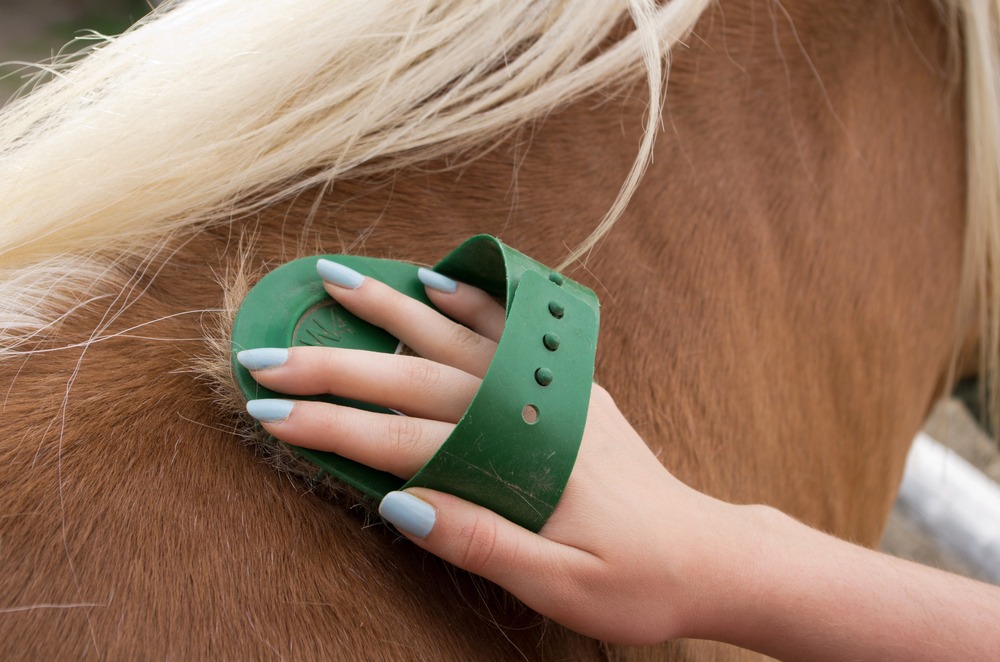
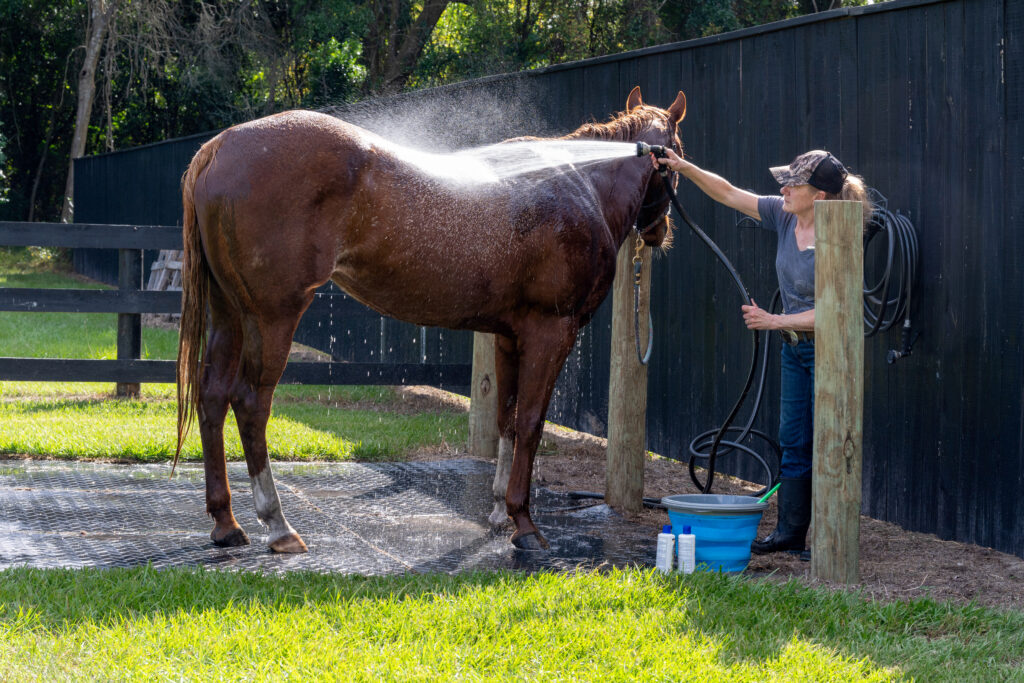
Having a dedicated space for grooming and bathing horses keeps supplies organized and minimizes mess. Set up a grooming station with all necessary tools within arm’s reach, and use wall-mounted organizers or portable caddies to keep brushes, hoof picks, and sprays sorted.
- Hang hooks for towels, buckets, and sweat scrapers.
- Install a shelf or waterproof cabinet for shampoos and liniments.
- Keep the wash rack clear of clutter to prevent accidents.
Using a portable grooming kit can also save time when moving between stalls or traveling to shows.
Establish a Cleaning and Maintenance Routine
Regular cleaning is essential for a safe and pleasant barn environment. Assign daily, weekly, and monthly tasks to ensure nothing is overlooked. Post a checklist in a visible spot and encourage everyone to pitch in.
- Daily: Sweep aisles, pick stalls, empty manure carts, and refill water buckets.
- Weekly: Disinfect water troughs, tidy tack rooms, and check for cobwebs or dust buildup.
- Monthly: Inspect fencing, repair broken hardware, and deep-clean feed bins and storage areas.
Consistent routines prevent messes from piling up and make the barn a safer place for horses and humans alike.
Improve Workflow and Traffic Flow
Efficient barn design minimizes backtracking and congestion. Arrange stalls, feed rooms, and tack areas so that daily tasks follow a logical sequence. For example, position grooming stations near the entrance to the arena, or keep turnout gear close to paddock gates.
- Clearly mark storage areas and keep aisles free of obstacles.
- Use signage to direct visitors and new staff.
- Designate parking for wheelbarrows and equipment out of main walkways.
Small adjustments to layout can have a big impact on how quickly and safely chores get done.
Label Everything for Easy Identification
Labels are a simple but powerful tool for keeping a barn organized. Use waterproof labels or tags on feed bins, tack hooks, grooming kits, and storage containers. This helps everyone—especially new helpers—find what they need quickly and return items to their proper places.
- Label each horse’s gear with their name.
- Use color-coded tags for different types of feed or supplements.
- Post instructions for equipment use and cleaning procedures.
Clear labeling reduces confusion, prevents mix-ups, and keeps the barn running smoothly even when multiple people are involved in daily care.
Seasonal Adjustments and Storage
Horse barns require different setups depending on the time of year. Store blankets, fly sheets, and other seasonal items in labeled bins or vacuum-sealed bags when not in use. Rotate gear as the seasons change to keep only what’s needed on hand.
- Clean and repair blankets before storing for the summer.
- Keep winter gear accessible as temperatures drop.
- Use overhead storage or lofts for bulky items.
Planning ahead for seasonal shifts helps maintain order and ensures you’re always prepared for changing weather.
Encourage Teamwork and Communication
Organization is a team effort. Hold regular meetings with staff or barn mates to review routines, address concerns, and suggest improvements. Encourage everyone to follow established systems and provide feedback on what’s working or needs adjustment.
- Assign clear responsibilities for chores and maintenance.
- Share updates about new horses, feed changes, or repairs.
- Celebrate successes and recognize efforts to keep the barn running smoothly.
Strong communication and teamwork make it easier to maintain a tidy, efficient environment for both horses and people.
Frequently Asked Questions
What Are the Most Important Areas to Organize in a Horse Barn?
The tack room, feed storage, grooming stations, and main aisles are top priorities. Keeping these zones tidy improves efficiency and safety for everyone in the barn.
How Can I Prevent Clutter from Building Up?
Schedule regular decluttering sessions, assign storage spots for all items, and encourage everyone to return tools and supplies after use. Labeling and clear routines help prevent accumulation of unnecessary items.
Are There Any Safety Benefits to an Organized Barn?
Absolutely. A well-organized barn reduces tripping hazards, prevents equipment mix-ups, and ensures emergency supplies are easy to find. It also supports better horse health by minimizing contamination and spoilage.