
Establishing a consistent schedule is a cornerstone of effective horse management. Horses are creatures of habit, thriving on predictability in their daily lives. When routines are maintained, horses experience less stress, better health, and improved behavior. Understanding the importance of routine in horse care can make a significant difference in the well-being of your equine companion.
Whether you are a new horse owner or have years of experience, aligning your care practices with a regular timetable supports both physical and mental health for your horse. From feeding and grooming to exercise and turnout, timing plays a crucial role in ensuring your horse feels secure and content. For more in-depth guidance on selecting the best management approach for your horse, you can explore horse management options and care types from trusted equestrian resources.
Why Consistency Matters for Horses
Horses are naturally sensitive to changes in their environment. Their instincts, developed over thousands of years, make them alert to anything out of the ordinary. This sensitivity means that abrupt changes in their daily schedule—such as feeding times, turnout, or exercise routines—can lead to anxiety, digestive issues, and even behavioral problems.
Maintaining a regular schedule helps horses anticipate what comes next, reducing stress and promoting a sense of safety. When horses know when to expect food, exercise, and attention, they are less likely to develop vices such as cribbing, weaving, or stall walking. These behaviors often arise from uncertainty or boredom, both of which can be minimized with a structured approach.
Key Elements of an Effective Horse Care Routine
Creating a reliable daily plan involves more than just feeding at the same time each day. Several aspects of horse care benefit from consistency:
- Feeding: Offer meals at set times, ideally spaced evenly throughout the day. Sudden changes in feeding schedules can disrupt digestion and increase the risk of colic.
- Turnout: Horses benefit from regular turnout in paddocks or pastures. Keeping turnout times consistent helps regulate their internal clocks and supports healthy social behavior.
- Exercise: Whether riding, lunging, or hand-walking, exercise should occur at predictable times. This helps horses mentally prepare and can improve performance.
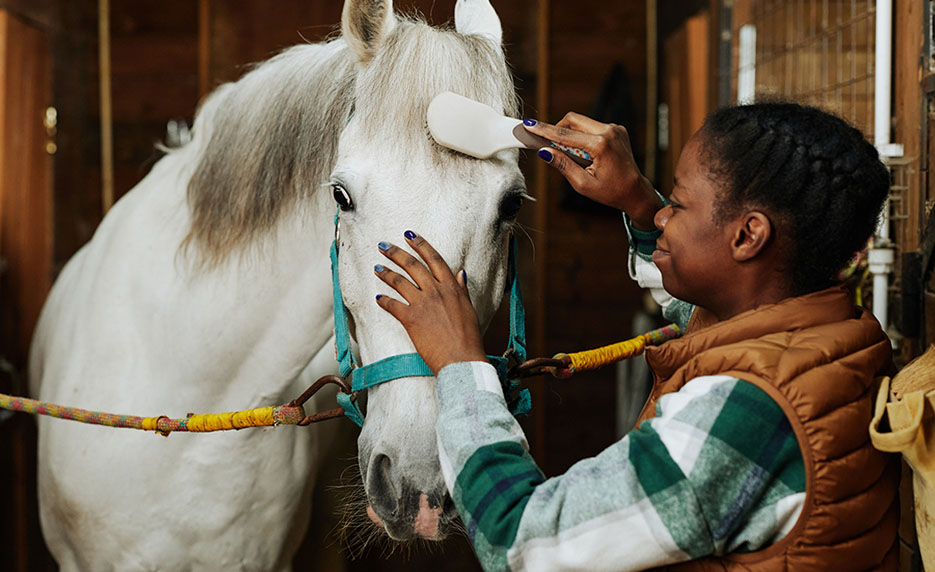
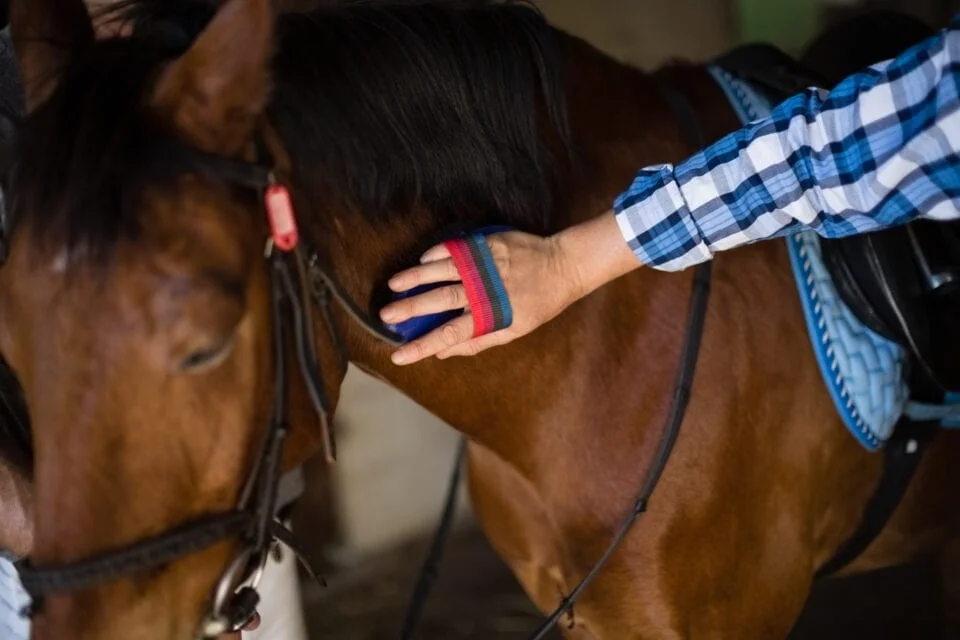
- Grooming: Daily grooming not only keeps the coat and skin healthy but also strengthens the bond between horse and handler.
- Health Checks: Routine health assessments, such as checking hooves and monitoring for injuries, are easier to remember and more effective when done at the same time each day.
Feeding Schedules and Digestive Health
One of the most critical aspects of equine care is maintaining a steady feeding routine. Horses have a unique digestive system that is designed for frequent, small meals. When meals are provided at irregular intervals, it can lead to discomfort, ulcers, or colic. By keeping feeding times consistent, you help regulate gut function and reduce the risk of digestive upset.
Additionally, horses quickly learn when to expect their meals. If feeding is delayed or skipped, some may become anxious or develop bad habits. Even minor changes, such as feeding earlier or later than usual, can have noticeable effects on a horse’s mood and health. For this reason, many barns post feeding schedules and stick to them as closely as possible.
Routine Grooming and Its Benefits
Regular grooming is more than just keeping your horse clean. It is an opportunity to check for injuries, skin conditions, or signs of illness. When grooming becomes part of the daily schedule, horses become accustomed to being handled, which can make veterinary care and farrier visits less stressful.
Grooming at the same time each day also helps horses relax and look forward to the interaction. The process can be soothing, reinforcing positive associations with human contact. Using quality grooming tools and products, such as those found in a dedicated kit, can make the experience more efficient and enjoyable for both horse and handler.

Exercise and Turnout: The Role of Predictable Timing
Physical activity is essential for a horse’s health, but the benefits are maximized when exercise and turnout follow a regular pattern. Horses that know when to expect time outside or under saddle are less likely to become restless or develop negative behaviors. Predictable routines also help horses settle into their environment, making them easier to handle and train.
Regular turnout supports joint health, digestion, and mental well-being. It allows horses to socialize, graze, and move freely, all of which are vital for their happiness. By scheduling turnout and exercise at the same times each day, you reinforce a sense of order and stability in your horse’s life.
Reducing Stress and Preventing Behavioral Issues
Many common behavioral challenges in horses can be traced back to inconsistent routines. Horses that experience unpredictable schedules may become anxious, aggressive, or withdrawn. They may also develop stable vices, such as cribbing or weaving, as a way to cope with uncertainty.
Implementing a structured daily plan not only addresses these issues but can also prevent them from developing in the first place. Horses that feel secure in their environment are more likely to be calm, responsive, and willing partners. This is particularly important for young or newly acquired horses, who may be adjusting to a new home and handler.
Tips for Establishing and Maintaining a Routine
- Start gradually: If your horse is not used to a schedule, introduce changes slowly to avoid causing stress.
- Communicate with all caretakers: Ensure everyone involved in your horse’s care follows the same routine to maintain consistency.
- Plan for flexibility: While consistency is key, allow for minor adjustments when necessary, such as during extreme weather or emergencies.
- Monitor your horse’s response: Watch for signs of stress or discomfort and adjust the routine as needed to support your horse’s well-being.
Frequently Asked Questions
How does a regular schedule benefit a horse’s health?
Maintaining a predictable daily plan helps regulate digestion, reduces stress, and prevents behavioral problems. Horses are less likely to develop issues such as colic or stable vices when their environment is stable and routines are followed.
What should be included in a daily horse care routine?
A comprehensive plan should cover feeding, turnout, exercise, grooming, and health checks. Consistency in these areas supports both the physical and mental health of your horse.
Can routines be adjusted for different horses?
Yes, every horse is unique. While consistency is important, routines can be tailored to suit individual needs, age, workload, and health conditions. The key is to make changes gradually and monitor your horse’s response.
What are the risks of not having a routine?
Without a structured schedule, horses may become anxious, develop digestive problems, or exhibit unwanted behaviors. Unpredictability can make horses harder to handle and negatively impact their overall well-being.
Conclusion
Building and maintaining a consistent daily plan is fundamental to successful horse management. By understanding the importance of routine in horse care, you can create a stable, healthy, and positive environment for your horse. Consistency in feeding, grooming, exercise, and turnout not only supports physical health but also fosters trust and confidence between horse and handler. Prioritizing regularity in your care practices will help ensure your horse thrives for years to come.