
Establishing an effective daily schedule for your horse is essential for their health, happiness, and performance. Whether you care for one horse or manage a larger stable, a well-structured plan helps ensure that every aspect of care—from feeding and grooming to exercise and rest—is handled efficiently. This horse routine planning guide offers practical advice and actionable steps to help you streamline daily tasks, reduce stress, and create a predictable environment for your equine companions.
By following a thoughtful approach to organizing chores and responsibilities, you can maximize your horse’s well-being and make your own day-to-day management easier. For those new to equine care, or anyone looking to refine their current system, this article provides a comprehensive overview, including tips on time management, essential care routines, and useful resources. For a deeper dive into the basics of equine care, you might also find the beginner’s guide to horse care helpful as a supplementary resource.
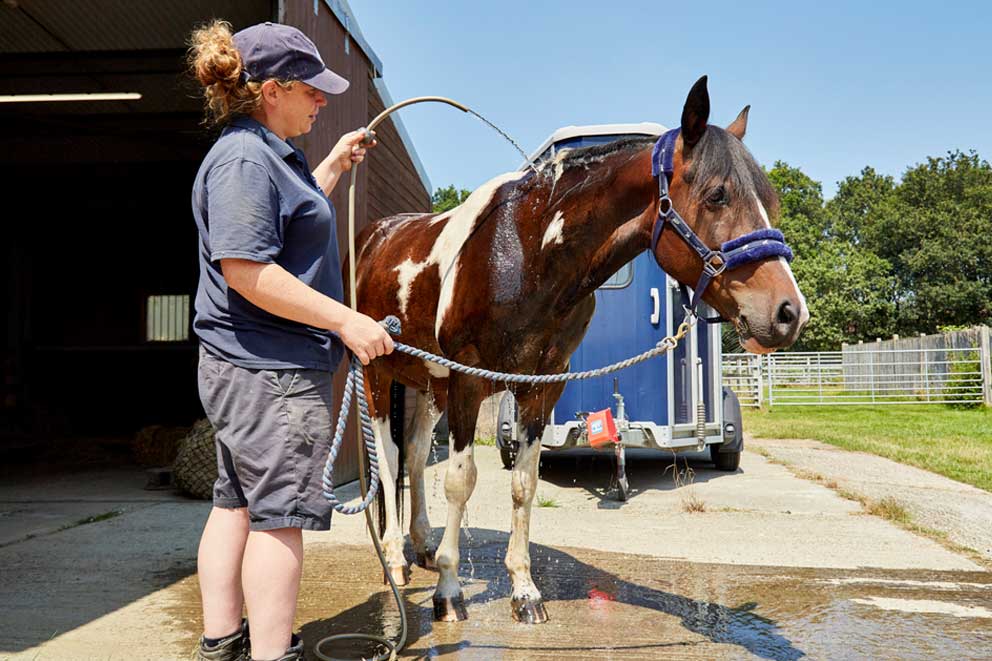
Why a Structured Daily Schedule Matters
Horses thrive on consistency. A predictable routine minimizes anxiety, supports healthy digestion, and helps prevent behavioral issues. For owners and caretakers, a clear plan ensures that no essential task is overlooked, and it allows for better time management throughout the day. Implementing a horse routine planning guide tailored to your specific situation can make a noticeable difference in both horse and human satisfaction.
Core Elements of an Effective Horse Care Routine
Every equine management plan should be built around a few fundamental pillars. While the specifics may vary depending on your horse’s age, workload, and living environment, the following components are universally important:
- Feeding: Schedule meals at consistent times, typically two to three times daily. Provide clean water and monitor intake.
- Turnout and Exercise: Allow ample time for turnout in a safe paddock or pasture. Include structured exercise sessions based on your horse’s needs.
- Grooming: Daily grooming keeps the coat healthy and provides an opportunity to check for injuries or signs of illness.
- Stall and Paddock Cleaning: Remove manure and soiled bedding regularly to maintain a hygienic environment.
- Health Checks: Observe your horse’s behavior, appetite, and physical condition every day. Schedule regular visits with your veterinarian and farrier.
Sample Daily Schedule for Horses
While every barn operates differently, a sample timetable can serve as a useful template. Adjust times and activities based on your horse’s individual needs, climate, and your own availability:
| Time | Task |
|---|---|
| 7:00 AM | Morning feeding, water check, and quick health inspection |
| 7:30 AM | Turnout to paddock or pasture |
| 8:00 AM | Stall cleaning and bedding refresh |
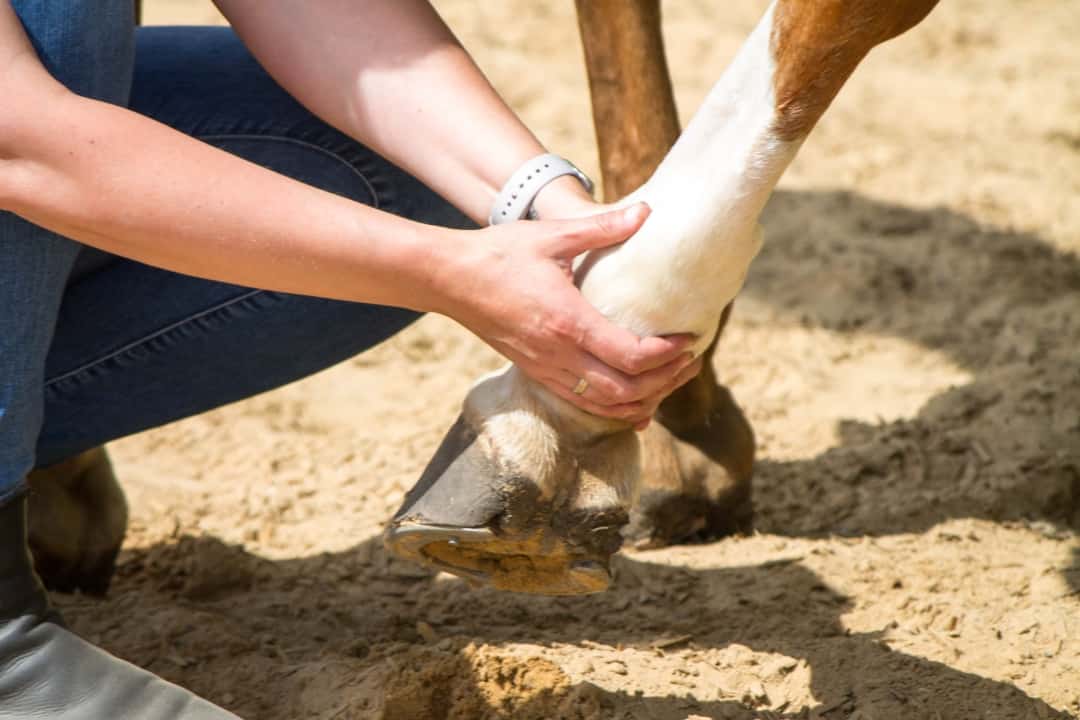
| 10:00 AM | Grooming and hoof care |
| 12:00 PM | Midday feeding or hay check |
| 2:00 PM | Exercise or training session |
| 4:00 PM | Cool down, grooming, and return to stall if needed |
| 6:00 PM | Evening feeding and water check |
| 8:00 PM | Final check: ensure horse is comfortable, safe, and has access to water |
Consistency is key, but flexibility is also important. Weather, veterinary appointments, or special events may require adjustments. The goal is to create a predictable rhythm that supports your horse’s health and your own peace of mind.
Optimizing Your Horse Routine Planning Guide for Efficiency
To make daily chores more manageable, consider these strategies:
- Batch Tasks: Group similar activities together, such as feeding all horses before starting stall cleaning.
- Prepare Ahead: Set up feed and hay the night before or during downtime to save minutes during busy mornings.
- Use Checklists: A written or digital checklist ensures nothing is forgotten, especially when multiple people share responsibilities.
- Delegate When Possible: Assign tasks to family members, staff, or volunteers to share the workload and maintain consistency.
- Invest in Quality Tools: Reliable grooming kits, mucking tools, and storage solutions can speed up chores and reduce frustration.
Implementing these tips can help you stick to your horse routine planning guide and free up more time for bonding with your horse or enjoying other activities.
Adapting Your Routine for Different Needs
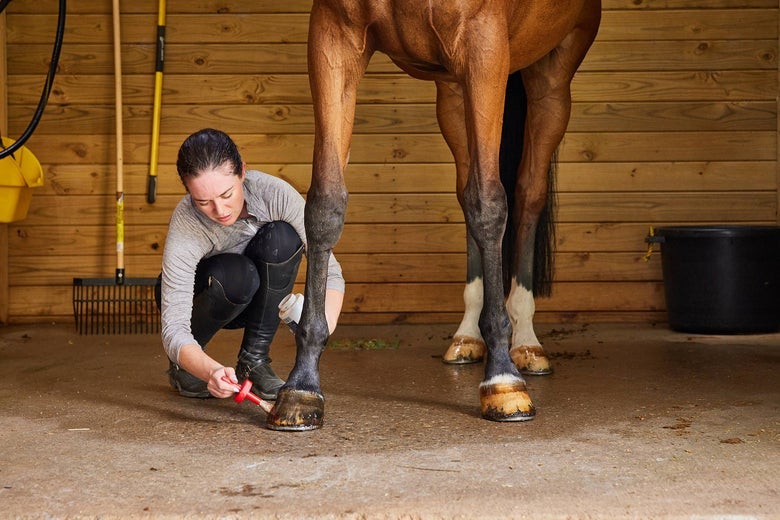
Not all horses require the same schedule. Youngsters, seniors, performance horses, and those with medical conditions may need adjustments to their daily plan. Consider the following when customizing your approach:
- Young Horses: Require more frequent, shorter training sessions and extra socialization.
- Senior Horses: Benefit from regular but gentle exercise, specialized feeding, and more frequent health checks.
- Performance Horses: Need tailored exercise, warm-up, and cool-down routines, as well as nutritional support.
- Horses with Medical Needs: May need medication, wound care, or special diets incorporated into their daily schedule.
Regularly review your plan and make adjustments as your horse’s needs change over time. Communication with your veterinarian and farrier is crucial for maintaining an optimal routine.
Tools and Resources for Better Planning
Modern technology and traditional tools can both play a role in keeping your horse’s care on track. Consider using:
- Wall Calendars or Whiteboards: Visual reminders for daily, weekly, and monthly tasks.
- Mobile Apps: Equine management apps can track feeding, exercise, health records, and appointments.
- Printable Checklists: Handy for barns with multiple caretakers or rotating schedules.
Staying organized not only benefits your horse but also makes it easier to communicate with others involved in their care. For more foundational knowledge, the beginner’s guide to horse care offers additional insights into essential routines and best practices.
Frequently Asked Questions
How often should I adjust my horse’s daily schedule?
Review your plan at least every season or whenever your horse’s needs change. Factors like age, health, workload, and weather may require you to tweak feeding times, turnout duration, or exercise routines.
What’s the best way to ensure I don’t forget important tasks?
Using checklists, calendars, or equine management apps can help you stay on top of daily and periodic responsibilities. Consistency and written reminders are key to a successful routine.
How can I make my horse’s routine more efficient?
Batch similar tasks, prepare supplies ahead of time, and delegate when possible. Investing in quality tools and organizing your workspace can also save time and reduce stress for both you and your horse.