
Maintaining your horse’s cleanliness is about more than just appearance—it’s essential for their comfort, health, and performance. Adopting equine hygiene best practices helps prevent skin conditions, infections, and discomfort while supporting a strong bond between horse and owner. Whether you’re new to horse care or looking to refine your routine, understanding the fundamentals of grooming, stable management, and preventative care is key to keeping your horse in top condition.
For those just starting out with horse ownership, it’s helpful to review a comprehensive guide to horse ownership for beginners to build a solid foundation in all aspects of care, including hygiene. Establishing a regular cleaning schedule and using the right tools can make a significant difference in your horse’s well-being.
Why Cleanliness Matters for Horses
Horses are naturally exposed to dirt, dust, sweat, and manure—especially when kept in paddocks or stables. Without proper hygiene, these elements can lead to skin irritations, fungal infections, and even hoof problems. Regular grooming and a clean environment are crucial for:
- Preventing skin diseases such as rain rot, mud fever, and dermatitis
- Reducing the risk of external parasites like lice and mites
- Detecting injuries or abnormalities early
- Strengthening the bond between horse and handler
- Supporting overall comfort and performance
Daily Grooming: The Foundation of Equine Hygiene
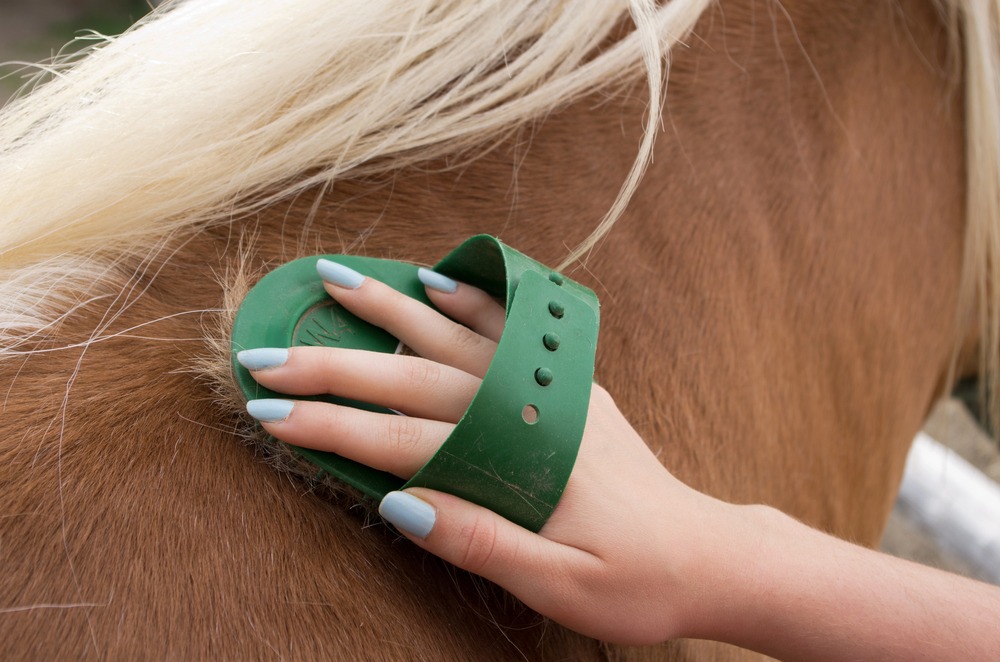
Consistent grooming is at the heart of equine hygiene best practices. It not only keeps your horse’s coat shiny but also stimulates circulation and allows you to check for cuts, swelling, or signs of illness. Here’s a step-by-step approach to daily grooming:
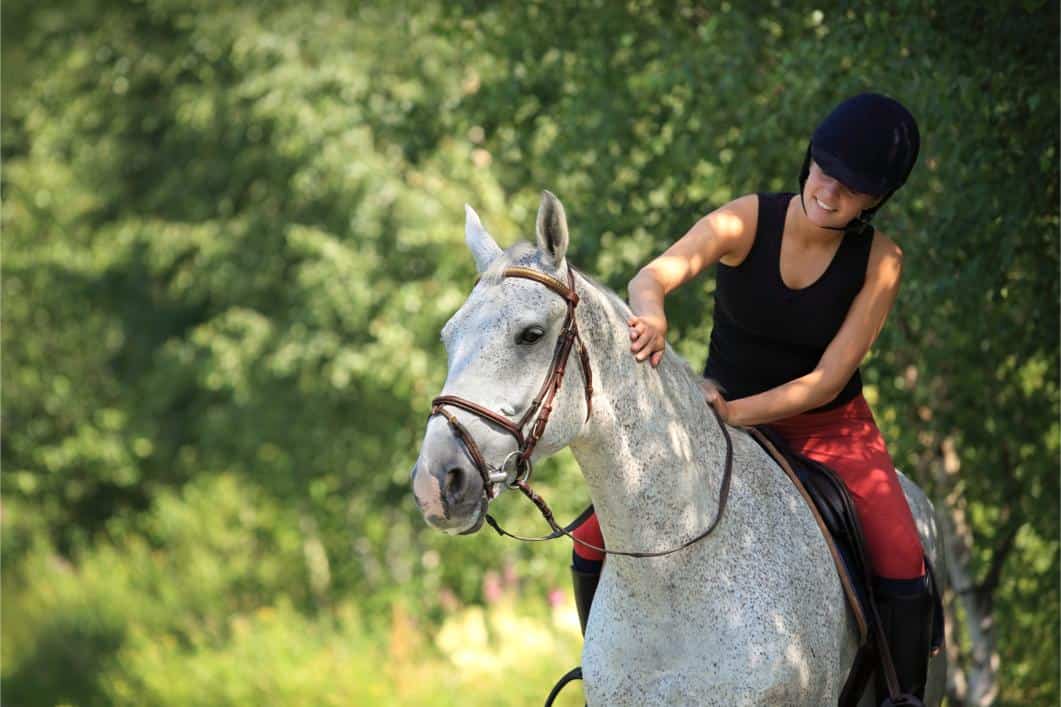
Essential Grooming Tools
- Curry comb: Loosens dirt, mud, and loose hair from the coat
- Stiff brush: Removes larger debris from the body
- Soft brush: Smooths the coat and removes finer dust
- Hoof pick: Cleans out hooves to prevent thrush and stone bruises
- Mane and tail comb: Detangles and removes debris from hair
- Sponge or cloth: Cleans sensitive areas like the face and dock
Start with the curry comb in circular motions, followed by the stiff and soft brushes. Always check and clean the hooves, looking for stones, cracks, or signs of infection. Finish by gently wiping the eyes, nostrils, and dock area with a damp sponge.
Bathing and Deep Cleaning Techniques
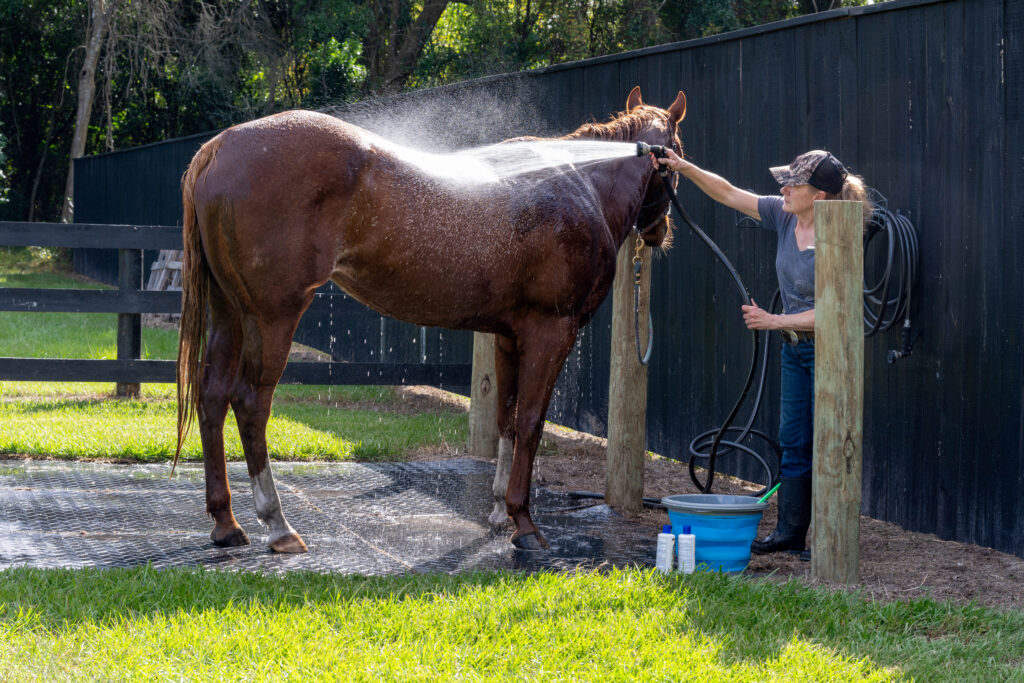
While daily brushing is essential, periodic bathing is also part of good horse care. Horses don’t need frequent baths, but an occasional wash helps remove sweat, stubborn dirt, and skin oils. Use equine-specific shampoos and always rinse thoroughly to avoid skin irritation. Focus on:
- Washing the mane and tail to prevent matting
- Cleaning sweat-prone areas such as under the saddle and girth
- Using a sweat scraper to remove excess water and speed drying
Allow your horse to dry in a draft-free area, and avoid bathing in cold weather unless necessary. For sensitive horses or those with skin conditions, consult your veterinarian before introducing new products.
Stable and Equipment Cleanliness
Maintaining a clean living environment is just as important as grooming. Dirty stalls and contaminated equipment can harbor bacteria, fungi, and parasites. To support hygiene best practices for horses:
- Remove manure and soiled bedding from stalls daily
- Disinfect water buckets and feed tubs regularly
- Clean and dry tack after each use to prevent mold and skin irritation
- Ensure adequate ventilation to reduce moisture and ammonia buildup
- Rotate pastures and remove manure from turnout areas
Paying attention to these details reduces the risk of respiratory issues and skin infections, contributing to your horse’s long-term health.
Preventing Common Skin and Hoof Issues
Even with diligent care, horses can develop skin and hoof problems. Early detection and prompt treatment are vital. Watch for:
- Rain rot: Scabby, hairless patches caused by bacteria in wet conditions
- Mud fever: Inflammation and scabbing on lower legs from prolonged exposure to wet, muddy environments
- Thrush: Foul-smelling, black discharge from the hoof frog due to poor hoof hygiene
- Sweet itch: Itchy, inflamed skin from insect bites
To prevent these issues, keep your horse dry, groomed, and regularly inspect their skin and hooves. Use topical treatments or consult a veterinarian if you notice persistent problems.
Seasonal Adjustments to Your Routine
Hygiene routines should adapt to the seasons. In winter, horses grow thicker coats and may need less frequent bathing but more thorough grooming to remove mud and sweat. In summer, increased sweating and insect activity require more attention to washing and fly control. Adjust your approach based on weather, turnout conditions, and your horse’s individual needs.
FAQs About Horse Hygiene
How often should I groom my horse?
Daily grooming is ideal for most horses, especially those in regular work. At a minimum, check and clean hooves and brush off dirt before and after riding. More frequent grooming may be needed during shedding seasons or in muddy conditions.
What products are safe for bathing my horse?
Always use shampoos and conditioners formulated specifically for equines. Human or harsh detergents can irritate a horse’s sensitive skin. If your horse has allergies or skin conditions, consult your vet for recommendations.
How can I keep my horse’s stall clean?
Remove manure and wet bedding daily, replace with fresh bedding, and disinfect water and feed containers regularly. Good ventilation and routine deep cleaning help prevent odors and reduce the risk of respiratory and skin problems.
Conclusion
Adopting equine hygiene best practices is a cornerstone of responsible horse care. By establishing a consistent grooming routine, maintaining a clean environment, and staying alert to changes in your horse’s skin and hooves, you’ll support their health and happiness. Investing time in these habits not only prevents common issues but also strengthens your partnership with your horse, ensuring many years of enjoyment together.