
Establishing a strong, trusting relationship with your horse starts from the ground up. Groundwork exercises for horses are essential for building communication, respect, and confidence between you and your equine partner. These foundational activities not only improve manners and responsiveness but also set the stage for safer and more enjoyable riding experiences.
Whether you are working with a young horse, retraining an older one, or simply looking to deepen your connection, incorporating groundwork into your regular routine can make a significant difference. Before diving into specific exercises, it’s important to understand the basics and why groundwork matters for every horse owner.
Alongside a consistent horse feeding schedule, groundwork forms the cornerstone of holistic horse care. Both nutrition and training routines contribute to a horse’s overall well-being and behavior.
Why Groundwork Matters in Equine Training
Groundwork is more than just leading your horse around the paddock. It encompasses a variety of exercises designed to teach your horse to listen, respect boundaries, and respond to subtle cues. By working from the ground, you can observe your horse’s body language, address behavioral issues, and build mutual trust without the added complexity of riding.
- Improved Communication: Groundwork helps you learn how your horse thinks and reacts, allowing you to communicate more effectively.
- Safety: Horses that are attentive and respectful on the ground are less likely to develop dangerous habits under saddle.
- Foundation for Advanced Training: Many advanced maneuvers and problem-solving skills start with groundwork.
- Confidence Building: Both horse and handler gain confidence as they master new skills together.
For those new to horse care, resources like this beginner’s guide to horse care provide helpful context on the importance of groundwork as part of a broader training and management plan.
Essential Groundwork Exercises for Horses
There are several key exercises that form the basis of effective groundwork. These activities can be adapted for horses of all ages and experience levels. Here are some of the most valuable groundwork routines to incorporate into your training sessions:
Leading and Halting with Precision
One of the first lessons any horse should learn is how to walk calmly beside you and stop when asked. This simple exercise reinforces respect for your personal space and helps prevent pushy or inattentive behavior.
- Use a lead rope and halter, standing at your horse’s shoulder.
- Walk forward, encouraging your horse to match your pace.
- Stop and expect your horse to halt and stand quietly beside you.
- If your horse crowds or lags, calmly correct and repeat.
Yielding to Pressure and Respecting Space
Teaching your horse to yield to both physical and verbal cues is a cornerstone of groundwork. This exercise ensures your horse understands how to move away from gentle pressure, making handling and riding safer and more predictable.
- Apply light pressure with your hand or lead rope to the horse’s shoulder or hindquarters.
- Reward the horse as soon as it moves away from the pressure.
- Practice yielding in both directions and from various positions.
Consistent practice with yielding exercises helps reinforce boundaries and encourages your horse to pay attention to your signals.
Lunging for Focus and Obedience
Lunging is a classic groundwork activity that improves fitness, responsiveness, and focus. It involves sending your horse out on a circle around you, using a lunge line and whip as extensions of your body language.
- Start with the horse standing calmly at the end of the lunge line.
- Ask the horse to move out in a circle, maintaining a steady pace.
- Use voice commands and body language to direct changes in gait and direction.
- Encourage relaxation and attentiveness throughout the session.
Lunging is also useful for evaluating movement and warming up before riding.
Building Trust Through Consistent Routines
Trust and respect are earned through consistency. By making groundwork a regular part of your horse’s routine, you reinforce positive behaviors and deepen your connection. Even short, daily sessions can have a lasting impact on your horse’s attitude and willingness to learn.
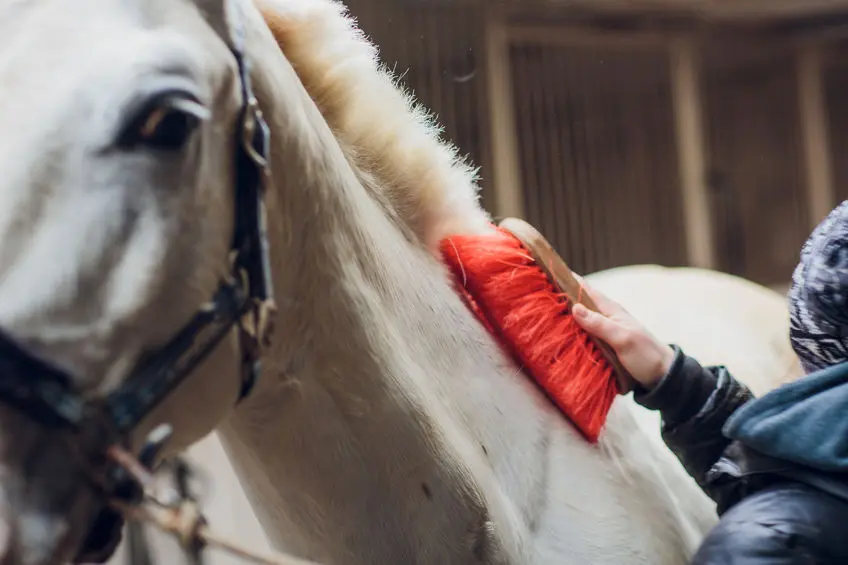
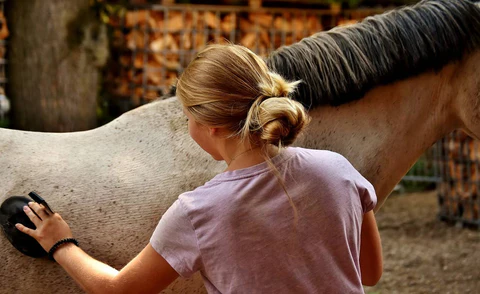
Incorporate grooming and handling into your groundwork sessions to further strengthen your bond. Horses that are comfortable being touched, groomed, and led are more relaxed and cooperative in all aspects of their care.
Common Mistakes to Avoid in Groundwork
While groundwork is highly beneficial, there are some pitfalls to watch out for:
- Inconsistency: Skipping sessions or changing expectations can confuse your horse.
- Lack of Patience: Progress may be slow, especially with young or nervous horses. Stay calm and persistent.
- Poor Timing: Rewarding or correcting at the wrong moment can send mixed signals.
- Ignoring Body Language: Pay close attention to your horse’s reactions and adjust your approach as needed.
By staying mindful of these common errors, you can make your groundwork sessions more productive and enjoyable for both you and your horse.
Integrating Groundwork with Overall Horse Care
Groundwork is just one part of a comprehensive horse care routine. Combining proper training with good nutrition, regular grooming, and veterinary attention ensures your horse remains healthy, happy, and responsive. For example, following a balanced horse feeding schedule supports your horse’s physical and mental well-being, making them more receptive to training.
Additionally, using quality grooming tools and liniments can enhance your horse’s comfort and recovery after exercise. Investing in the right products helps maintain your horse’s coat, muscles, and overall health.
Frequently Asked Questions
How often should I do groundwork with my horse?
Ideally, you should incorporate groundwork into your horse’s routine several times a week. Short, consistent sessions are more effective than occasional, lengthy ones. Even 10–20 minutes per session can yield noticeable improvements in behavior and responsiveness.
Can groundwork help with problem behaviors?
Yes, many behavioral issues such as pushiness, spooking, or lack of attention can be addressed through groundwork. By reinforcing boundaries and improving communication, you can help your horse become calmer and more respectful both on the ground and under saddle.
What equipment do I need for basic groundwork?
For most groundwork exercises, you’ll need a well-fitting halter, a sturdy lead rope, and sometimes a lunge line and whip. Good-quality grooming supplies and liniments can also support your horse’s comfort and recovery after training sessions.
Conclusion
Incorporating groundwork exercises for horses into your daily or weekly routine is one of the most effective ways to build trust, respect, and communication with your equine companion. From leading and yielding to lunging and grooming, these activities lay the foundation for a safe and enjoyable partnership. By focusing on consistency, patience, and clear communication, you’ll see lasting benefits in your horse’s behavior and your overall relationship.