
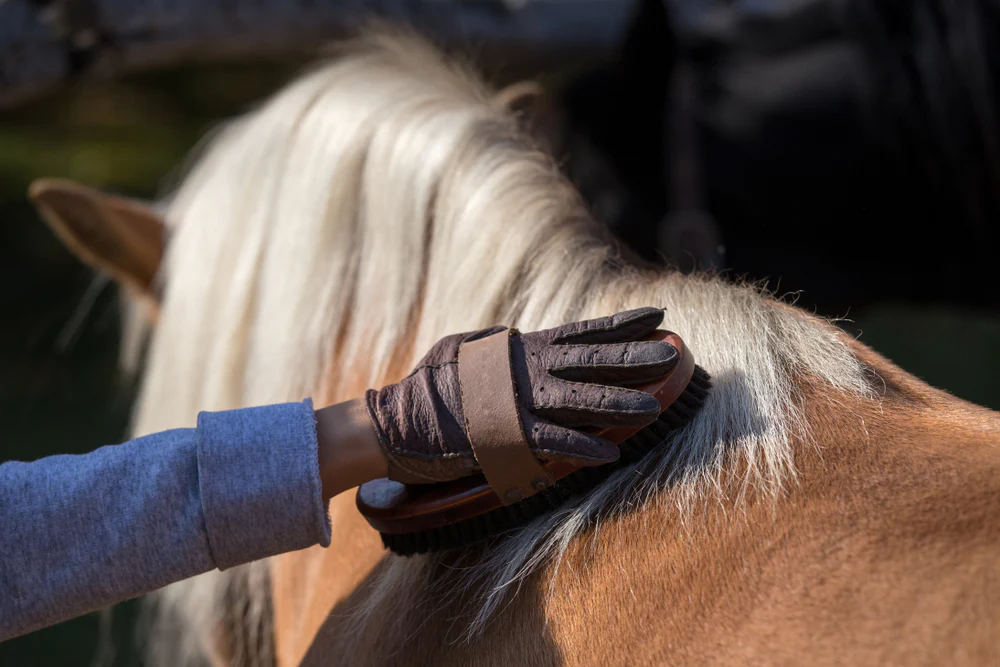
Ensuring your horse thrives both physically and emotionally is a responsibility that goes beyond basic care. Maintaining a happy and healthy horse involves a combination of proper nutrition, regular exercise, mental stimulation, and attentive health management. Whether you’re a new horse owner or an experienced equestrian, understanding the essentials of equine well-being can make a significant difference in your horse’s quality of life.
From daily routines to seasonal adjustments, every aspect of your horse’s environment and care routine plays a role in their overall happiness and health. This guide covers practical strategies, expert-backed tips, and essential resources to help you support your horse’s well-being year-round.
Before diving into daily care routines, it’s crucial to address the environment where your horse spends most of its time. For practical advice on keeping your pastures safe and hazard-free, check out these horse pasture safety tips to create a secure and comfortable living space for your equine companion.
Nutrition: The Foundation of Equine Wellness
One of the most important aspects of maintaining a happy and healthy horse is providing a balanced and appropriate diet. Horses require a mix of forage, grains, vitamins, and minerals to meet their nutritional needs. High-quality hay or pasture should make up the majority of their diet, supplemented with concentrates as needed based on age, workload, and health status.
- Forage First: Ensure your horse has constant access to clean, dust-free hay or safe pasture. Forage supports digestive health and mimics natural grazing behavior.
- Monitor Body Condition: Regularly assess your horse’s weight and adjust feed accordingly. Overfeeding or underfeeding can lead to health issues.
- Fresh Water: Provide unlimited access to clean, fresh water. Dehydration can quickly impact health and performance.
- Salt and Minerals: Offer a salt block or mineral supplement to meet trace mineral requirements.
For more on feeding routines and timing, you can refer to this helpful resource on horse feeding schedules for optimum health.
Exercise and Turnout: Supporting Physical and Mental Health
Regular movement is essential for both the body and mind of your horse. Daily turnout in a safe paddock or pasture allows for natural behaviors such as grazing, socializing, and playing. In addition to turnout, structured exercise helps maintain muscle tone, cardiovascular health, and mental stimulation.
- Consistent Routine: Develop a regular exercise schedule that includes riding, lunging, or groundwork suited to your horse’s age and fitness level.
- Variety Matters: Incorporate different activities to prevent boredom and encourage engagement. Trail rides, obstacle courses, and groundwork exercises are excellent options.
- Monitor for Signs of Stress: Horses are sensitive to changes in routine. Watch for signs of anxiety or discomfort and adjust activities as needed.
Grooming and Skin Care: More Than Just Cleanliness
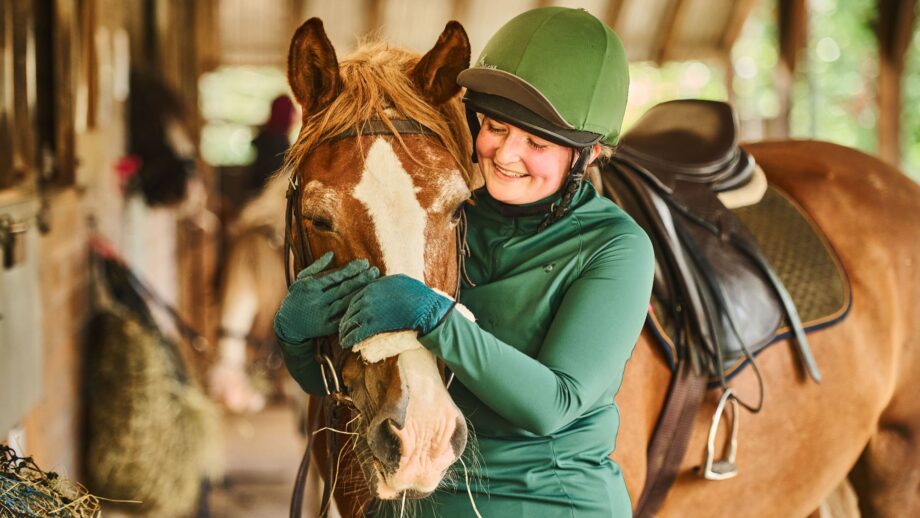
Regular grooming is about more than keeping your horse looking good—it’s a vital part of their physical and emotional well-being. Grooming sessions help you spot injuries, skin conditions, or changes in body condition early. They also provide an opportunity to bond and build trust with your horse.
- Daily Brushing: Removes dirt, loose hair, and promotes healthy skin and coat.
- Hoof Care: Pick out hooves daily to prevent thrush and check for stones or injuries.
- Bathing: Occasional baths help with cleanliness, especially in warmer months, but avoid over-bathing to prevent skin dryness.
Preventative Health Care: Staying Ahead of Problems
Proactive health management is a cornerstone of equine well-being. Routine veterinary care, dental checks, and vaccinations are essential for preventing illness and catching issues early. Work with your vet to establish a schedule tailored to your horse’s age, activity level, and risk factors.
- Annual Exams: Schedule yearly veterinary check-ups to monitor overall health and update vaccinations.
- Deworming: Follow a strategic deworming program based on fecal egg counts and veterinary guidance.
- Dental Care: Have your horse’s teeth checked at least once a year to prevent discomfort and ensure proper chewing.
- Hoof Trimming: Regular farrier visits (every 6–8 weeks) are vital for soundness and comfort.
For a comprehensive overview of essential horse care and preventative medicine, visit this beginner’s guide to equine preventative medicine.
Emotional Well-Being and Social Needs
Horses are social animals that thrive on companionship and mental stimulation. Addressing their emotional needs is just as important as meeting their physical requirements. A content horse is more likely to stay healthy and perform well.
- Companionship: Whenever possible, allow your horse to interact with other horses. If this isn’t feasible, consider a companion animal such as a goat or donkey.
- Enrichment: Provide toys, obstacles, or varied environments to keep your horse mentally engaged.
- Routine and Consistency: Horses feel secure with predictable routines. Keep feeding, turnout, and exercise schedules as consistent as possible.
Seasonal Adjustments for Year-Round Health
Each season brings unique challenges for horse care. Adapting your management practices ensures your horse remains comfortable and healthy throughout the year.
- Winter: Provide adequate shelter, monitor water sources to prevent freezing, and adjust feed to maintain body condition.
- Summer: Offer shade, fly protection, and ensure access to fresh water. Watch for signs of heat stress.
- Spring/Fall: Be vigilant for changes in pasture quality and adjust turnout as needed. Monitor for seasonal allergies or laminitis risks.
Frequently Asked Questions
What are the signs of a content and healthy horse?
A horse that is eating well, maintaining a healthy weight, displaying a shiny coat, and showing curiosity and alertness is generally in good spirits. Other signs include regular manure, clean eyes and nostrils, and a willingness to move and interact.
How often should I groom my horse?
Daily grooming is ideal for most horses, as it helps maintain skin and coat health, allows for early detection of injuries or irritations, and strengthens the bond between horse and handler.
What is the best way to prevent common equine health issues?
Consistent preventative care is key. This includes regular veterinary check-ups, vaccinations, dental care, deworming, and maintaining a clean, safe environment. Monitoring your horse’s behavior and physical condition daily also helps catch problems early.
By focusing on nutrition, exercise, grooming, preventative health, and emotional well-being, you can ensure your horse enjoys a vibrant and fulfilling life. Consistent attention to these areas forms the backbone of effective horse care and helps you build a lasting, positive relationship with your equine partner.