
Understanding how horses rest is essential for every owner, caretaker, and equine enthusiast. Resting patterns can reveal a lot about a horse’s health, comfort, and overall well-being. This horse resting behavior guide explores what’s typical, what may signal a problem, and how you can support your horse’s natural needs. Recognizing the difference between standard and unusual resting habits helps prevent health issues and ensures your horse remains happy and healthy.
Horses are unique in their sleeping and resting behaviors. Unlike humans, they spend much of their downtime standing, but they also need periods of lying down for deep sleep. Knowing what to expect—and when to be concerned—empowers you to provide the best possible care. For those interested in broader aspects of equine management, you may also want to review horse pasture safety tips to create a safer environment for your animals.
Key Elements of Normal Equine Rest
Horses have evolved as prey animals, which influences how and when they rest. Their unique anatomy allows them to doze while standing, thanks to a specialized “stay apparatus” in their legs. However, they also require periods of lying down to achieve rapid eye movement (REM) sleep, which is vital for their mental and physical health.
- Standing Rest: Horses often sleep lightly while standing. This allows them to remain alert to danger and quickly flee if needed.
- Lying Down: For deep, restorative sleep, horses must lie down. Most healthy adult horses will lie down for short periods, typically totaling 2-3 hours in a 24-hour cycle.
- Resting Patterns: Horses may rest alone or in groups. In herds, one or more horses often remain standing while others lie down, providing security for the group.
Normal resting behaviors are influenced by age, environment, and social dynamics. Foals and young horses spend more time lying down, while older horses may rest less but still require some time off their feet.
Recognizing Abnormal Resting Signs
While variations exist, certain behaviors can indicate discomfort, pain, or illness. Spotting these early is crucial for prompt intervention. Here are some warning signs:
- Reluctance to Lie Down: If a horse never lies down, it may be due to pain, fear, or an unsuitable environment.
- Excessive Lying Down: Spending too much time on the ground can signal lameness, injury, or systemic illness.
- Difficulty Rising: Struggling to get up may point to musculoskeletal problems or weakness.
- Restlessness: Constant shifting, pawing, or repeated attempts to lie down and get up can be signs of colic or discomfort.
- Isolation: A horse that separates itself from the herd to rest may be unwell or stressed.
Observing your horse’s typical patterns makes it easier to spot changes. If you notice any of these abnormal behaviors, consult a veterinarian promptly.
Factors Affecting Horse Resting Habits
Several elements can influence how and where horses rest. Understanding these helps you create an environment that promotes healthy rest and reduces the risk of abnormal behaviors.
- Environment: Horses need a safe, comfortable space to lie down. Hard, wet, or crowded areas discourage lying down and can lead to sleep deprivation.
- Herd Dynamics: Social hierarchy affects resting patterns. Lower-ranking horses may feel insecure and avoid lying down if they don’t feel safe.
- Health Status: Illness, pain, or hoof problems can make resting uncomfortable or even dangerous for the horse.
- Age: Older horses may develop arthritis or other conditions that impact their ability to rest normally.
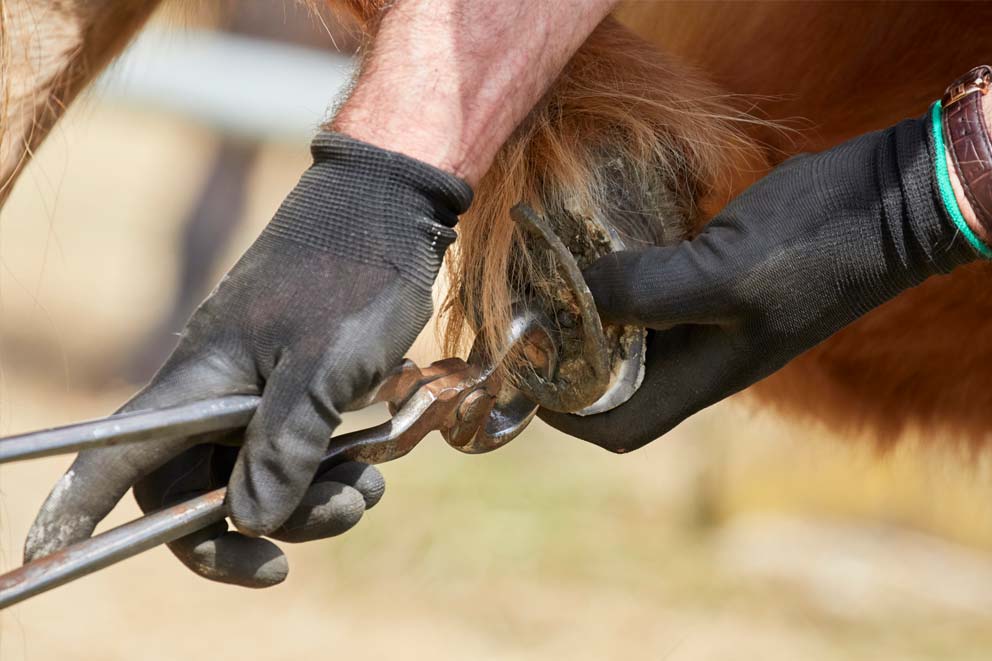
Providing ample bedding, shelter, and a peaceful setting encourages horses to rest as needed. Regularly checking your horse’s hooves and overall health is also essential. For more on daily care routines, see our horse feeding schedule resource for optimizing your horse’s well-being.
How to Support Healthy Resting Behavior
Promoting healthy rest involves a combination of good management, observation, and timely intervention. Here are practical steps you can take:
- Monitor Regularly: Spend time watching your horse’s resting habits. Note any changes in duration, posture, or frequency.
- Maintain a Safe Environment: Ensure stalls and pastures are free from hazards. Soft, dry bedding and adequate space are crucial.
- Address Health Issues Promptly: Treat lameness, injuries, or illnesses quickly to prevent disruptions in resting patterns.
- Encourage Social Comfort: Horses are herd animals. Allowing them to interact with companions can reduce stress and promote natural resting behaviors.
- Provide Routine Care: Regular grooming and hoof care help keep your horse comfortable and more likely to rest normally.
For additional care guidelines, the Humane World horse care guidelines offer detailed advice on creating a supportive environment for your equine companions.

Common Myths About Equine Rest
There are several misconceptions about how horses sleep and rest. Clearing these up helps owners make informed decisions:
- Myth: Horses never lie down. Fact: All horses need to lie down for REM sleep, even if only for short periods.
- Myth: If a horse is lying down, it’s always sick. Fact: Healthy horses routinely lie down to rest, especially when they feel safe.
- Myth: Horses can sleep standing up all night. Fact: While they can doze standing, deep sleep requires lying down.
Understanding these facts helps prevent unnecessary worry and ensures horses get the rest they require.
When to Seek Veterinary Help
While most resting behaviors are normal, certain signs should prompt immediate attention:
- Persistent reluctance or inability to lie down
- Difficulty rising or frequent falls
- Sudden changes in resting patterns
- Signs of pain, distress, or injury
If you observe these issues, contact your veterinarian. Early intervention can prevent complications and support your horse’s recovery.
FAQ: Horse Resting Habits Explained
How much sleep do horses need each day?
Adult horses typically require around 2-3 hours of deep sleep in a 24-hour period, achieved through several short lying-down sessions. They may doze while standing for several more hours, but this light rest does not replace the need for REM sleep.
Is it normal for a horse to sleep standing up?
Yes, it’s entirely normal. Horses have a unique anatomical adaptation that allows them to rest while standing. However, they must lie down periodically for deep, restorative sleep.
What should I do if my horse never lies down?
If your horse avoids lying down, check for environmental factors such as hard surfaces, lack of space, or herd stress. Persistent reluctance may indicate pain or health issues, so consult your veterinarian if the behavior continues.
Can changes in pasture or routine affect resting behavior?
Absolutely. Changes in environment, herd composition, or daily routine can impact how and where horses rest. Ensuring consistency and a safe, comfortable setting helps maintain healthy resting patterns.
Conclusion
Recognizing the difference between typical and concerning resting behaviors is a key part of responsible horse care. By observing your horse, providing a safe environment, and addressing health issues promptly, you can support their natural needs and overall well-being. For more tips on optimizing your horse’s daily care, explore resources like horse feeding schedule and stay informed about best practices in equine management.