
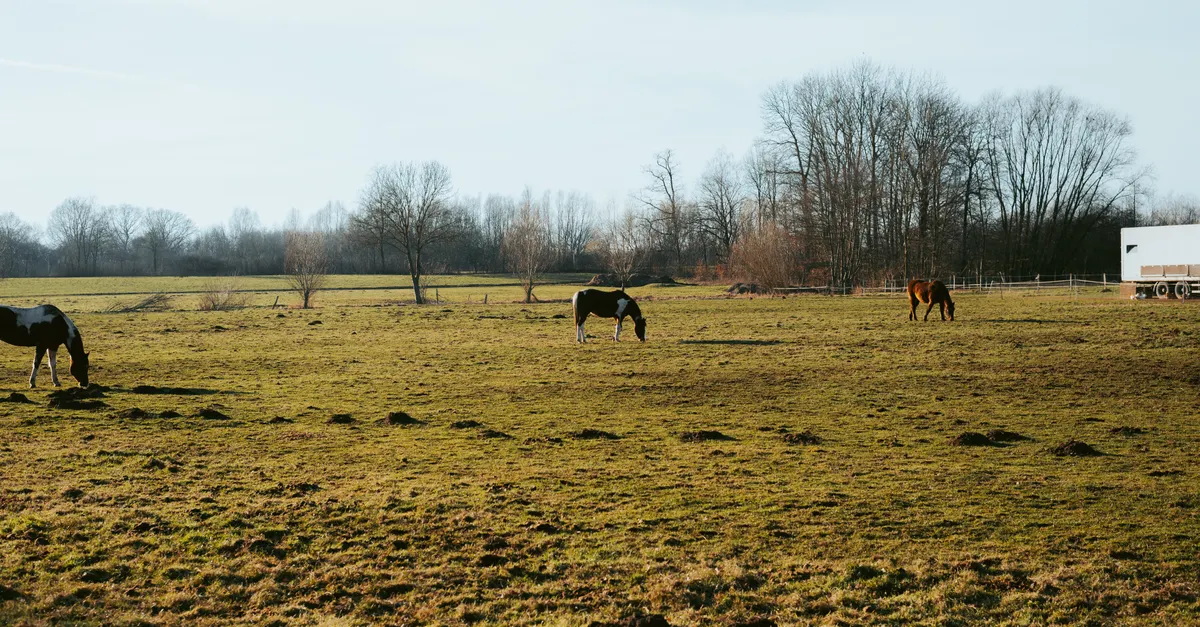
Maintaining a visually appealing horse pasture goes beyond simply providing a grazing area for horses. Thoughtful horse pasture management and pasture aesthetics not only contribute to the health and well-being of your animals but also enhance the overall look and value of your property. By combining practical management strategies with targeted aesthetic improvements, horse owners can create pastures that are both functional and beautiful. This guide explores proven approaches and specific techniques to achieve a harmonious balance between productivity and visual appeal.

Understanding Horse Pasture Management
Effective horse pasture management involves a set of practices designed to optimize the health of both the land and the horses that graze on it. At its core, this approach focuses on maintaining healthy forage, managing grazing pressure, and preventing soil degradation. For horse owners, good management is essential for providing consistent nutrition, minimizing the risk of injury or illness, and preserving the long-term usability of the pasture.
Key aspects include monitoring plant growth, adjusting stocking density, and implementing rotational grazing. These strategies help prevent overgrazing and soil compaction, which can lead to weed invasion and reduced pasture productivity. By prioritizing both the needs of the horses and the land, owners can ensure their pastures remain vibrant and sustainable over time.
The Advantages of Well-Managed Pastures
Investing in proper horse pasture management and pasture aesthetics yields a range of benefits for both horses and their owners. According to Rutgers University Extension, well-maintained pastures can significantly reduce feed costs by providing high-quality forage throughout the grazing season. Horses benefit from regular exercise and access to fresh grass, which supports their physical and mental health.
Beyond practical advantages, a tidy and lush pasture also enhances the property’s appearance. Aesthetically pleasing pastures can increase property value and create a welcoming environment for visitors and clients. Additional benefits include improved soil structure, better water infiltration, and reduced runoff, all of which contribute to a healthier ecosystem.
- Pros:
- Lower feed expenses
- Healthier, happier horses
- Enhanced property value and curb appeal
- Environmental protection through reduced erosion and runoff
- Cons:
- Requires ongoing time and effort
- Initial investment in fencing, seed, and equipment
- Potential need for professional advice on soil and forage management
Implementing Best Management Practices for Pastures
Adopting Best Management Practices (BMPs) is essential for maintaining productive and attractive horse pastures. BMPs are guidelines that help protect water quality, promote healthy forage, and manage grazing pressure. The University of Florida Extension highlights several BMPs that are especially relevant to horse owners:
- Rotational Grazing: Dividing pastures into smaller paddocks and rotating horses between them allows forage to recover, leading to denser and more uniform grass cover.
- Maintaining Optimal Stocking Density: Avoiding overstocking prevents overgrazing and soil compaction, both of which can detract from pasture appearance and productivity.
- Soil Fertility Management: Regular soil testing and targeted fertilization support healthy plant growth and vibrant green color.
- Weed and Toxic Plant Control: Identifying and removing invasive or harmful plants maintains both safety and visual appeal.
- Water Management: Installing buffer strips and managing runoff protects water quality and prevents unsightly erosion.
For those interested in technological advancements, exploring horse pasture management and pasture technology can provide additional tools for monitoring and improving pasture conditions.
Techniques to Enhance Pasture Aesthetics
While basic management ensures a healthy pasture, targeted aesthetic improvements can elevate the landscape. Here are practical ways to boost the visual appeal of your horse pastures without compromising their functionality:
- Defined Fencing and Entryways: Well-maintained fences not only keep horses safe but also create clean lines and structure. Consider painting or staining wooden fences, and add decorative gates for a polished look.
- Ornamental Plantings: Planting shade trees, native shrubs, or flowering plants along fence lines or in non-grazed corners adds color and interest. Be sure all plant selections are non-toxic to horses.
- Consistent Mowing: Regular mowing keeps grass at an optimal height, encourages uniform growth, and prevents weeds from going to seed. It also gives the pasture a manicured appearance.
- Pathways and Access Routes: Creating defined walkways for people and vehicles reduces soil compaction in grazing areas and keeps high-traffic zones looking neat. Gravel or mulch can be used for durable, attractive paths.
- Seasonal Overseeding: Overseeding with cool- or warm-season grasses ensures a lush, green pasture year-round, filling in bare spots and improving overall density.
- Water Features: Adding a small pond or decorative water trough can serve both functional and aesthetic purposes, attracting wildlife and providing a focal point.
- Manure Management: Regularly removing manure prevents unsightly piles and reduces parasite loads, contributing to both pasture health and appearance. Tools like a manure spreader can make this task more efficient.
- Signage and Decorative Elements: Tasteful signs, benches, or rustic features can personalize the space and create a welcoming atmosphere for guests.
By integrating these enhancements with sound management, owners can enjoy pastures that are both productive and visually striking.
Common Challenges in Managing and Beautifying Pastures
Even with careful planning, horse owners often encounter challenges that affect both the health and appearance of their pastures. Some of the most frequent issues include:
- Weed Infestation: Weeds compete with desirable forage and can quickly make a pasture look neglected. Regular mowing, spot-spraying, and maintaining dense grass cover are effective control measures.
- Soil Compaction: Heavy foot traffic, especially near gates and water sources, can compact soil and create bare patches. Installing pasture mats or rotating access points can help distribute wear.
- Overgrazing: Allowing horses to graze too long in one area leads to uneven growth and exposes soil, increasing erosion risk. Rotational grazing and monitoring stocking rates are key solutions.
- Poor Drainage: Waterlogged areas not only look unsightly but can damage roots and foster mud. Improving drainage with swales or French drains, and using drainage pipe where needed, helps maintain a tidy appearance.
- Inadequate Nutrient Management: Without regular soil testing and fertilization, pastures may become thin and patchy. Applying the right nutrients at the right time supports vigorous, attractive growth.
Addressing these challenges promptly ensures that both the functionality and aesthetics of the pasture are preserved. As highlighted by Penn State Extension, proper management leads to high-quality, productive pastures that supply excellent nutrition for horses and maintain a pleasing landscape.

Conclusion and Practical Recommendations
Combining effective horse pasture management and pasture aesthetics practices allows horse owners to create pastures that are as beautiful as they are functional. The key is to integrate proven management strategies—such as rotational grazing, soil fertility management, and weed control—with targeted enhancements like ornamental plantings, defined pathways, and regular mowing. These efforts not only support horse health and reduce costs but also elevate the visual appeal of the property.
For those seeking to further optimize their approach, exploring resources on horse pasture management and pasture sustainability can provide additional insights into balancing productivity with environmental stewardship. Ultimately, a well-managed and attractive pasture reflects the care and commitment of its owner, benefiting horses, people, and the surrounding environment alike.
Frequently Asked Questions
What are the best practices for managing horse pastures?
The most effective practices include rotational grazing, maintaining proper stocking density, regular soil testing, targeted fertilization, and consistent weed control. Implementing these strategies helps maintain healthy forage, reduce erosion, and support both horse health and pasture appearance.
How can I improve the look of my horse pasture?
Enhancing the visual appeal of a pasture involves more than just mowing. Consider adding non-toxic ornamental plants, maintaining clean and painted fences, creating defined pathways, and regularly removing manure. Overseeding bare spots and addressing drainage issues also contribute to a lush, attractive landscape.
Why is pasture management important for horse health and the environment?
Proper management ensures horses have access to nutritious forage, reduces the risk of injury from toxic plants or uneven terrain, and minimizes the spread of parasites. Environmentally, it helps prevent soil erosion, protects water quality, and supports biodiversity within the pasture ecosystem.