
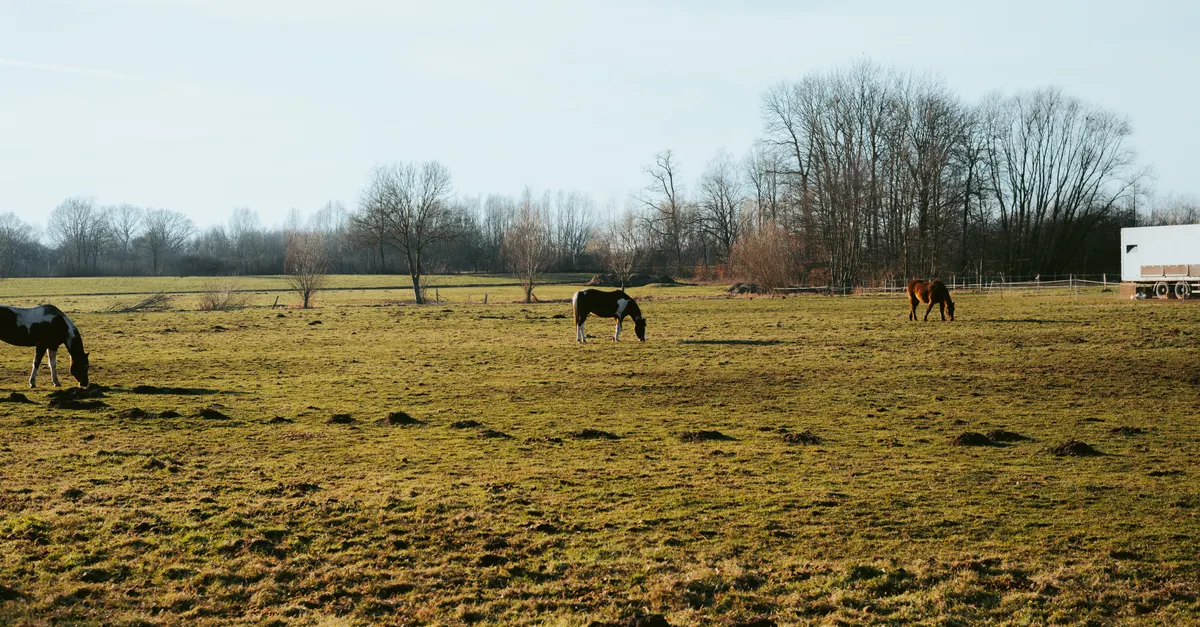
Effective stewardship of horse pastures is essential for both animal health and environmental well-being. By adopting horse pasture management and pasture sustainability practices, horse owners can ensure their land remains productive, resilient, and ecologically sound. This guide explores practical, research-backed strategies to help you maintain thriving pastures, focusing on rotational grazing systems, optimal grass selection, soil health, and the broader environmental impact of sustainable management.
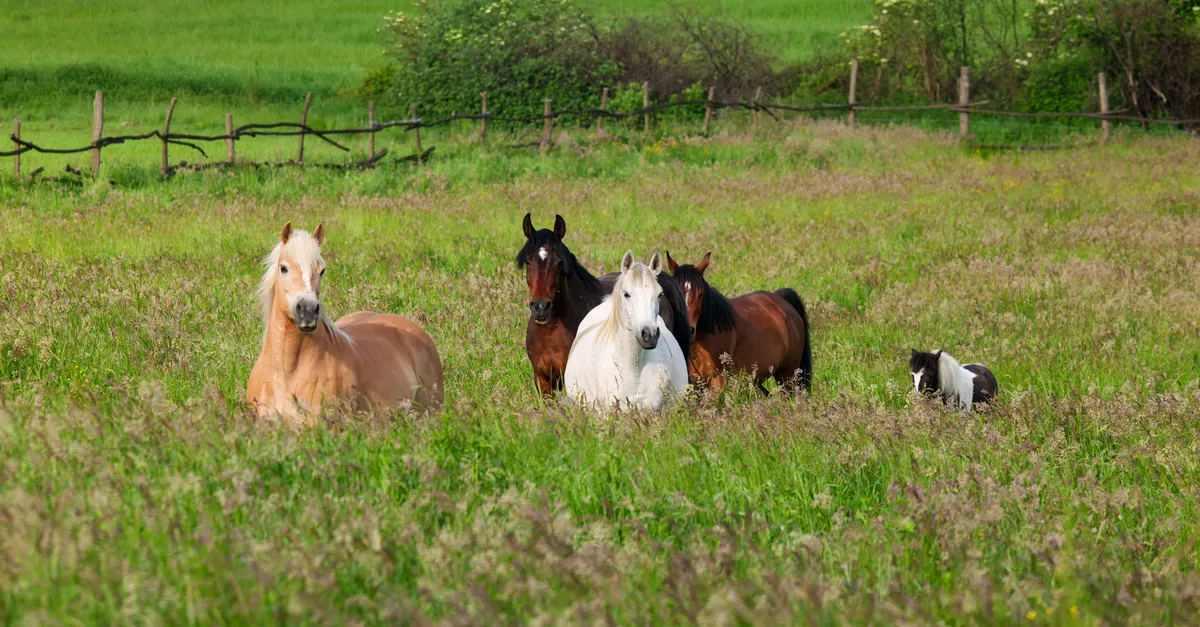
Defining Sustainable Management for Horse Pastures
Sustainable pasture management involves maintaining healthy, productive grazing areas that support horse nutrition while preserving soil and plant health for the long term. This approach balances the needs of horses with the ecological requirements of the land, aiming to prevent overuse, soil degradation, and loss of biodiversity. For horse owners, sustainable management means implementing practices that promote regrowth, minimize environmental impact, and ensure pastures remain viable year after year.
Implementing Rotational Grazing Systems
One of the most effective strategies for horse pasture management and pasture sustainability is rotational grazing. This system divides the pasture into multiple sections or paddocks, allowing horses to graze one area while others rest and recover. According to research from Rutgers University, overgrazed patches can lead to bare ground if grasses do not have time to rest and regrow. By rotating horses between paddocks, you give grasses the opportunity to replenish, which supports both plant and soil health.
To set up a rotational grazing system:
- Divide your pasture into at least three to four paddocks using temporary or permanent fencing.
- Allow horses to graze one section until the grass is reduced to about 3-4 inches, then move them to the next paddock.
- Let the grazed section rest for several weeks, depending on the season and grass growth rates.
- Monitor grass regrowth and adjust rotation timing as needed.
This approach not only prevents overgrazing but also encourages deeper root systems and more resilient forage. For more on new approaches to this topic, see how horse pasture management and pasture technology are evolving.
Choosing Grasses Best Suited for Equine Pastures
The selection of grass species is a cornerstone of pasture sustainability. Horses have distinct preferences for certain grasses, which can influence grazing patterns and pasture health. As noted by Rutgers University, understanding these preferences is key to effective management. Cool-season grasses such as Kentucky bluegrass, orchardgrass, and tall fescue are commonly favored for their palatability and resilience. Warm-season options like bermudagrass may be suitable in hotter climates.
When choosing grasses for your pasture, consider:
- Palatability: Horses often prefer softer, leafy grasses.
- Growth habit: Species that recover quickly from grazing are ideal for rotational systems.
- Climate adaptability: Select varieties suited to your region’s temperature and rainfall patterns.
- Tolerance to trampling: Durable species help maintain ground cover even under heavy use.
Mixing several compatible species can provide year-round forage and reduce the risk of bare spots. Regular overseeding with a horse pasture grass seed mix can help maintain a diverse and productive sward.
Soil Testing and Nutrient Management for Sustainable Pastures
Healthy soil is the foundation of productive pastures. Soil testing provides valuable information about nutrient levels, pH, and organic matter content, allowing you to tailor your fertilization and liming practices. Testing should be conducted at least every 2-3 years, or more frequently if you notice declining pasture performance.
Best practices for nutrient management include:
- Collect soil samples from multiple locations within each paddock for a representative analysis.
- Apply fertilizers and lime based on soil test recommendations, avoiding over-application that can harm plants and water quality.
- Incorporate organic matter, such as compost or well-rotted manure, to improve soil structure and moisture retention.
- Monitor for nutrient deficiencies or toxicities and adjust management accordingly.
Using a soil test kit can simplify the process and help you make informed decisions about pasture amendments.
Balancing Horse Density and Pasture Size
The number of horses per acre—known as horse density—directly affects pasture health. As highlighted by Penn State Extension, at higher animal densities, good management practices are necessary to maintain plant canopy cover and desirable plants. Overstocking leads to overgrazing, soil compaction, and weed invasion, while understocking can result in wasted forage and uneven grazing.
General guidelines suggest 1-2 acres per horse for continuous grazing, but this varies based on climate, soil fertility, and management intensity. With rotational grazing and proper nutrient management, it’s possible to support more horses per acre without degrading the land. Regularly monitor pasture condition and adjust stocking rates or grazing duration as needed to maintain a healthy balance.
Investing in temporary electric fencing can make it easier to adjust paddock sizes and manage grazing pressure throughout the year.
Environmental Benefits of Responsible Pasture Management
Adopting sustainable practices in horse pasture management and pasture sustainability offers significant environmental advantages. Well-managed pastures help reduce soil erosion, improve water infiltration, and enhance biodiversity by supporting a variety of plant and insect species. Healthy vegetation acts as a buffer, filtering runoff and protecting nearby waterways from nutrient pollution.
Additional environmental benefits include:
- Reduced reliance on chemical fertilizers and herbicides.
- Improved carbon sequestration through robust root systems and organic matter accumulation.
- Habitat creation for pollinators and beneficial wildlife.
By prioritizing ecological health, horse owners contribute to a more resilient and sustainable agricultural landscape.
Common Challenges and Solutions in Pasture Management
Maintaining sustainable horse pastures comes with its share of obstacles. Overgrazing is a frequent issue, leading to bare patches and weed invasion. Weather extremes, such as drought or heavy rainfall, can stress grasses and reduce productivity. Soil compaction from frequent hoof traffic may limit root growth and water movement.
To address these challenges:
- Implement rotational grazing to allow for grass recovery.
- Rest pastures during wet conditions to prevent soil damage.
- Regularly overseed and fertilize to maintain a dense sward.
- Monitor for weeds and address infestations promptly with targeted control measures.
Staying proactive and adapting management practices to changing conditions is key to long-term pasture health.
Conclusion: Key Takeaways for Sustainable Equine Pastures
Sustainable approaches to managing horse pastures are essential for animal health, land productivity, and environmental stewardship. By embracing rotational grazing, selecting appropriate grass species, conducting regular soil testing, and balancing stocking rates, horse owners can create resilient pastures that thrive year after year. Thoughtful management not only benefits horses but also supports the broader ecosystem, ensuring that pastures remain a valuable resource for generations to come.
Frequently Asked Questions
What are the best practices for sustainable horse pasture management?
Best practices include implementing rotational grazing, selecting suitable grass species, conducting regular soil testing, managing nutrient inputs carefully, and adjusting horse density to prevent overgrazing. These steps help maintain productive, resilient pastures and support long-term sustainability.
How does rotational grazing benefit pasture sustainability?
Rotational grazing allows grasses time to rest and regrow between grazing periods, preventing overgrazing and soil erosion. This practice encourages deeper root systems, healthier plants, and more uniform forage availability, all of which contribute to improved pasture sustainability.
What types of grasses are best for horse pastures?
Cool-season grasses like Kentucky bluegrass, orchardgrass, and tall fescue are commonly recommended for their palatability and durability. In warmer regions, bermudagrass and other warm-season species may be suitable. Mixing several types can provide year-round forage and support pasture resilience.