
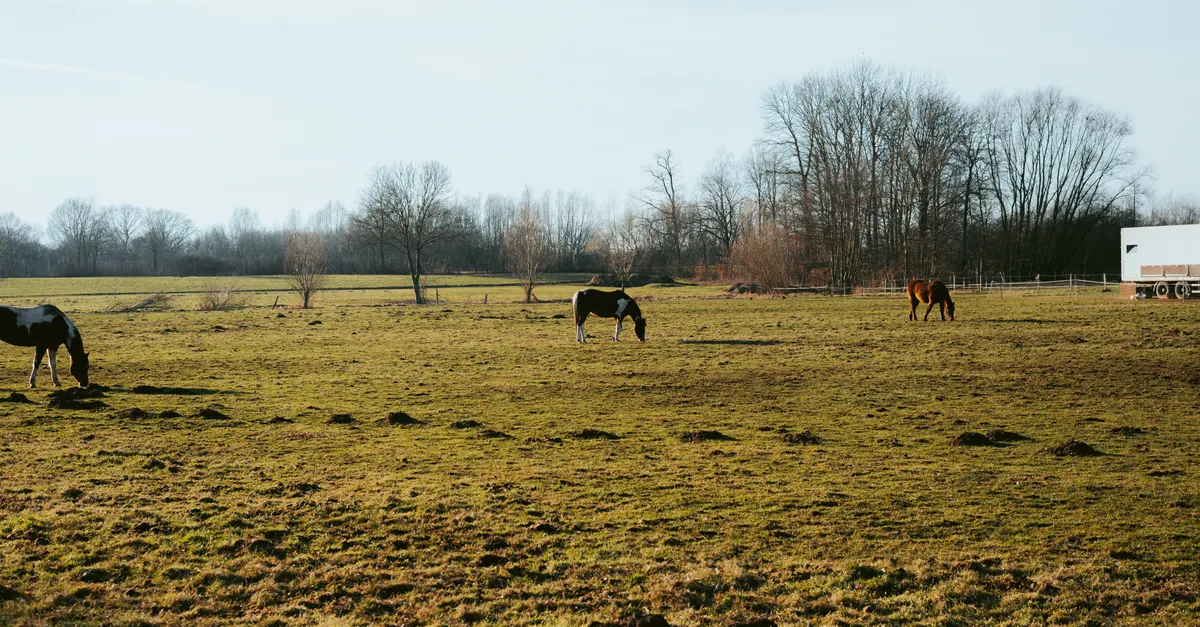
Managing horse pastures has always required a careful balance between animal health, land stewardship, and operational efficiency. As equine owners and land managers strive for better outcomes, new technologies are reshaping how pastures are monitored, maintained, and optimized. Understanding the latest advances in horse pasture management and pasture technology can help improve pasture health, support horse well-being, and enhance sustainability for the long term.
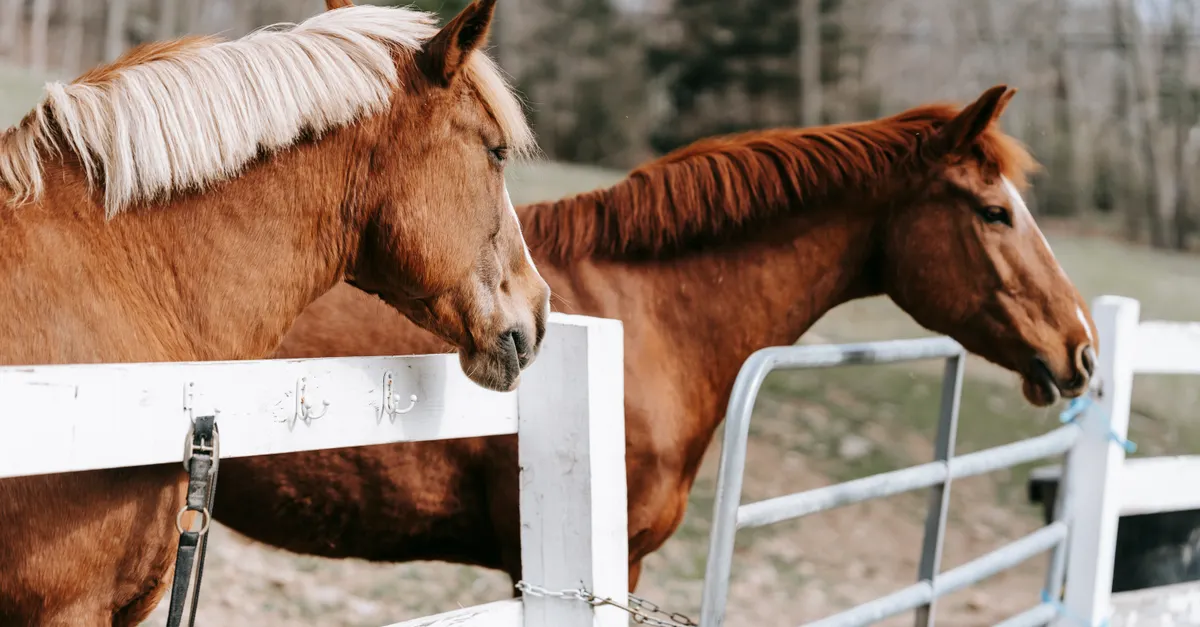
Understanding the Foundations of Horse Pasture Management
At its core, horse pasture management involves a set of practices designed to maintain healthy grazing areas for horses while preserving soil quality and minimizing environmental impact. This includes regular mowing, weed control, soil testing, and careful management of grazing patterns. The goal is to provide horses with nutritious forage, reduce the risk of overgrazing, and maintain a resilient pasture ecosystem.
Effective management is essential not only for the health of the horses but also for the sustainability of the land. Poorly managed pastures can lead to soil erosion, nutrient runoff, and diminished forage quality, all of which can negatively affect both animal health and the environment. As such, the integration of modern technology is becoming increasingly important in addressing these challenges and elevating traditional practices.
Traditional Approaches and Their Limitations
Historically, pasture care has relied on manual observation, routine maintenance, and basic agronomic techniques. Year-round care is necessary, much like the ongoing attention required for horse management itself. According to Rutgers University, this includes regular mowing, reseeding, and weed control to sustain productive pastures throughout the seasons.
One of the most critical traditional practices is soil testing. Regular analysis helps determine nutrient levels and guides the application of fertilizers or soil amendments to optimize pasture growth. For more detailed information, refer to the soil test interpretation guide. Without this, pastures may suffer from nutrient deficiencies or imbalances, leading to poor forage quality and reduced productivity.
While these methods form the backbone of pasture care, they can be labor-intensive and sometimes reactive rather than proactive. Manual monitoring may miss early signs of overgrazing or soil compaction, and traditional rotation schedules may not account for subtle changes in pasture health. These limitations highlight the need for more advanced solutions that provide real-time insights and automate key management tasks.
Emerging Technologies Transforming Pasture Management
Recent advances in pasture technology are offering new tools to address the challenges of traditional management. These innovations go beyond satellite imagery, which is already used to assess pasture coverage and health from above. Today, a range of new technologies is making it easier to monitor, analyze, and optimize pastures for both horse health and environmental sustainability.
Drones for Aerial Monitoring
Drones equipped with multispectral cameras can quickly survey large grazing areas, capturing detailed images that reveal patterns of overgrazing, weed encroachment, and soil erosion. With this data, managers can identify problem spots and target interventions more efficiently than with ground-based inspections. Drones can also help monitor fence lines and water sources, saving time and reducing labor costs.
Soil and Forage Sensors
In-ground sensors are now available to continuously monitor soil moisture, temperature, and nutrient levels. These devices provide real-time data, allowing for precise irrigation and fertilization decisions. Forage sensors, meanwhile, can estimate the biomass and nutritional content of pasture grasses, supporting more accurate grazing management and helping to prevent overgrazing.
Automated Pasture Rotation Systems
Automated gates and fencing systems can be programmed to rotate horses between different paddocks based on pasture recovery rates and forage availability. This technology ensures that no single area is overgrazed and that horses always have access to fresh, nutritious forage. Automated systems can also reduce the need for manual labor and improve overall pasture utilization.
Data-Driven Management Platforms
Integrated digital platforms are bringing together data from drones, sensors, and manual observations into a single dashboard. These systems use analytics to provide actionable insights, such as when to move horses, apply fertilizer, or reseed a paddock. Some platforms even offer mobile apps, making it easy for managers to access information and make decisions on the go. For those interested in exploring more digital solutions, resources on horse care apps and tools can provide additional guidance.
Best Practices Enhanced by Technology
While technology offers powerful new capabilities, it works best when combined with proven management practices. Here are some key strategies that benefit from technological support:
- Regular Soil Testing: Using sensor data to schedule and interpret soil tests ensures pastures receive the right nutrients at the right time.
- Pasture Rotation: Automated systems and data analytics help optimize rotation schedules, preventing overgrazing and promoting pasture recovery.
- Manure Management: Monitoring tools can track manure distribution, reducing runoff risks and supporting soil health.
- Forage Management: Forage sensors and drone imagery help assess pasture quality, guiding reseeding and fertilization efforts.
Combining these best practices with modern technology leads to healthier pastures, improved horse nutrition, and more efficient operations. For a deeper dive into foundational strategies, see these horse pasture management tips.
Environmental and Nutritional Advantages
Properly managed pastures offer significant benefits for both the environment and horse health. According to the Livestock and Poultry Environmental Learning Community, effective management reduces manure runoff, which helps protect waterways and promotes soil health by incorporating nutrients from manure back into the land. This not only prevents soil erosion but also supports the long-term productivity of the pasture.
From a nutritional standpoint, well-managed pastures provide horses with a steady supply of high-quality forage, supporting optimal equine nutrition. Rotating pastures and selecting appropriate grass and legume species, as recommended by experts, ensures that horses receive a balanced diet and reduces the need for supplemental feed.
Technologies such as sensors and data platforms further enhance these benefits by enabling more precise application of fertilizers and water, minimizing waste and environmental impact. This approach aligns with sustainable agriculture principles and helps maintain the health of both horses and the land they depend on.
Addressing Challenges and Looking Ahead
Despite the promise of new technologies, several challenges remain. Initial costs for drones, sensors, and automated systems can be significant, and there may be a learning curve for managers unfamiliar with digital tools. However, the long-term benefits—improved pasture health, reduced labor, and enhanced sustainability—often outweigh these hurdles.
Looking forward, continued innovation is likely to bring even more advanced solutions, such as artificial intelligence for predictive pasture management and robotics for automated maintenance tasks. Staying informed about these trends and being open to adopting new tools will be key for those seeking to maximize the benefits of horse pasture management and pasture technology.
Frequently Asked Questions
What are the most promising new technologies in pasture management?
Some of the most promising innovations include drones for aerial monitoring, in-ground sensors for real-time soil and forage analysis, and automated rotation systems that move horses between paddocks based on pasture health data. These tools provide actionable insights and help optimize pasture use.
How does technology improve horse health and nutrition?
By providing accurate, up-to-date information on forage quality and pasture conditions, technology helps managers ensure that horses have access to nutritious grazing. This supports better equine nutrition and reduces the risk of overgrazing or nutrient deficiencies.
Are there environmental benefits to using advanced pasture management tools?
Yes, advanced tools help reduce nutrient runoff, prevent soil erosion, and promote more efficient use of resources like water and fertilizer. This leads to healthier pastures and a more sustainable approach to land management.
Conclusion: Embracing Innovation for Healthier Pastures
The landscape of horse pasture management and pasture technology is evolving rapidly, offering new ways to enhance pasture health, horse well-being, and environmental stewardship. By combining traditional best practices with innovative tools such as drones, sensors, and automated systems, managers can achieve more resilient and productive pastures. As technology continues to advance, staying informed and adaptable will be essential for anyone committed to the long-term success of their horses and their land.