
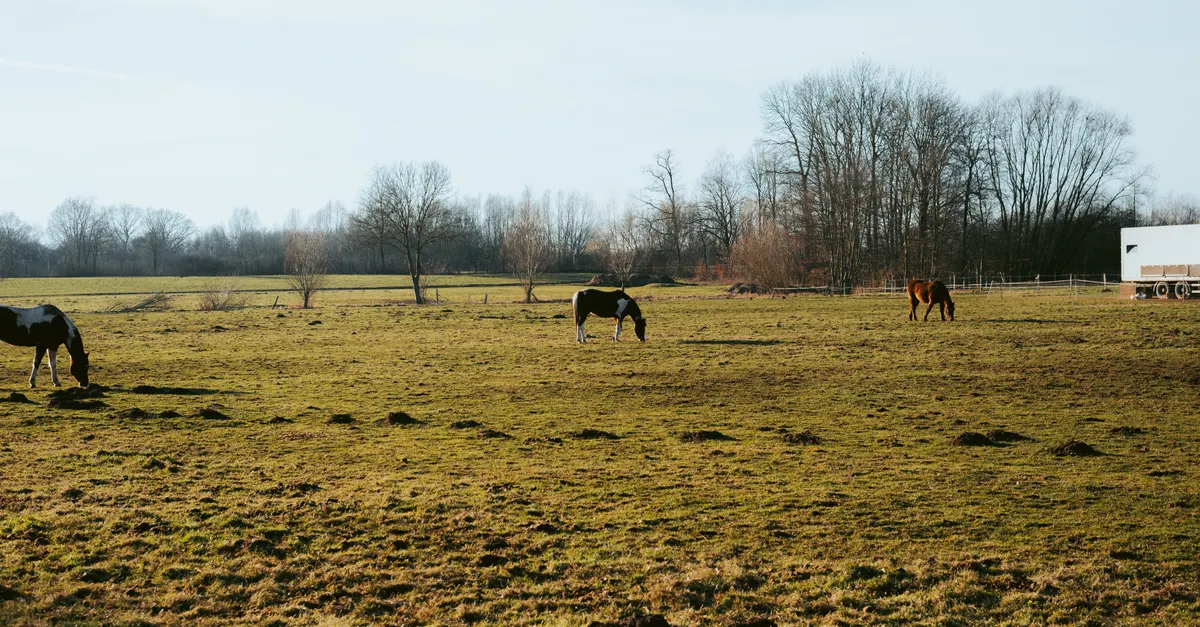
Effective management of horse pastures is central to maintaining healthy horses, reducing feed costs, and ensuring the long-term productivity of grazing land. Recent research in the field of horse pasture management and pasture research has highlighted the importance of ecological balance, strategic grazing, and soil health. By understanding the latest findings and applying evidence-based practices, horse owners can create sustainable environments that benefit both their animals and the land.
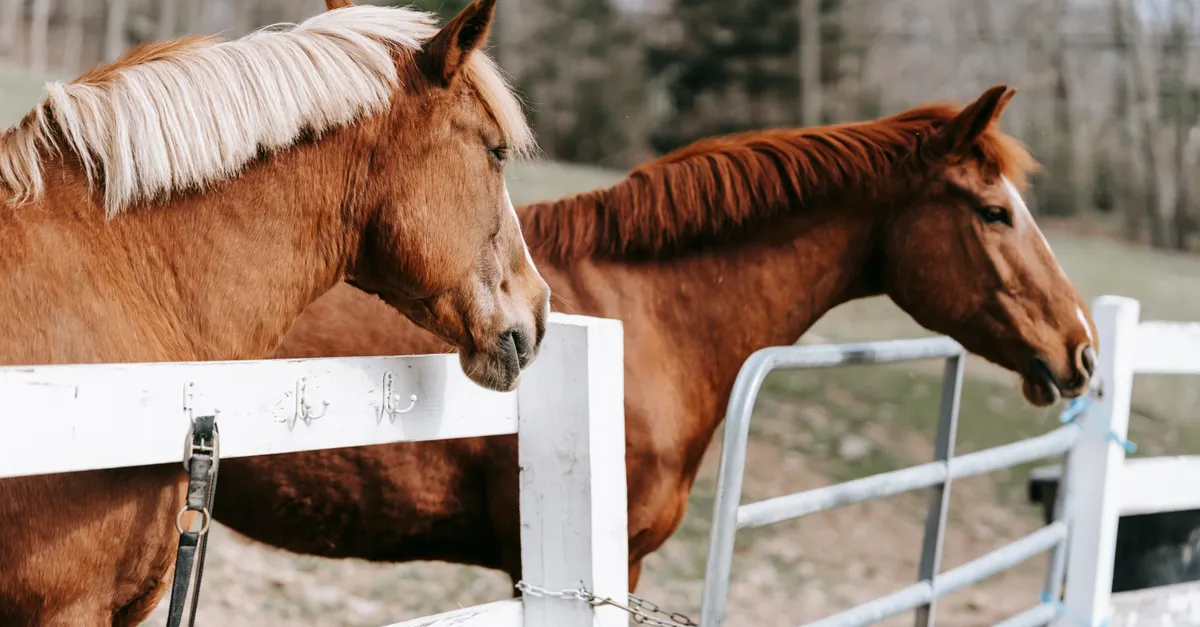
Ecological Factors and Their Influence on Horse Health
At the heart of modern horse pasture management is a deep appreciation for pasture ecology. This concept encompasses the dynamic relationships between sunlight, grasses, legumes, weeds, soils, and the grazing patterns of horses. According to research from Cornell University, managing these elements together is essential for both pasture productivity and animal well-being.
Sunlight is a primary driver of pasture yield. By ensuring that fields receive adequate light, pasture managers can promote the vigorous growth of desirable forage species. Grasses and legumes, when properly balanced, provide a nutritious diet for horses, while a healthy soil ecosystem supports robust plant life and minimizes weed invasion. Weeds, if left unchecked, can reduce the nutritional value of the pasture and compete with preferred forage plants.
These ecological factors directly affect horse health. For example, pastures with a diverse mix of grasses and legumes offer a more complete nutritional profile, reducing the need for supplemental feed. Well-managed ground cover also helps prevent soil erosion and reduces the risk of dust-related respiratory issues in horses. By fostering a balanced pasture ecosystem, owners can support the digestive health, weight maintenance, and overall vitality of their herds.
Implementing Rotational Grazing and Rest Periods
One of the most effective strategies in horse pasture management and pasture research is rotational grazing. This approach involves dividing the pasture into smaller sections, or paddocks, and moving horses between them on a planned schedule. According to the University of Minnesota Extension, rotational grazing and rest periods help reduce overgrazing and minimize stress on desirable plants.
To implement rotational grazing:
- Divide the pasture: Use temporary fencing or permanent structures to create several paddocks within the grazing area.
- Establish a rotation schedule: Move horses to a new paddock when the forage in the current one is grazed down to about 3-4 inches in height. This protects plant roots and allows for regrowth.
- Allow for rest periods: Each paddock should be rested for several weeks before horses return. The rest period length depends on the season, rainfall, and forage growth rates.
- Monitor pasture condition: Regularly assess the health of the forage and adjust the rotation as needed to prevent overuse of any area.
Resting pastures is crucial for maintaining ground cover and encouraging the recovery of preferred forage species. This practice also disrupts parasite life cycles, reducing the risk of internal parasite burdens in horses. For those interested in technology-driven solutions, exploring horse pasture management and pasture technology can provide innovative tools for monitoring and managing grazing rotations.
Soil Testing and Fertilization: Building a Healthy Foundation
Soil health is the foundation of any productive pasture. Regular soil testing guidance allows managers to assess nutrient levels, pH, and organic matter content. By understanding the specific needs of their soil, owners can apply targeted fertilization strategies that support optimal forage growth.
It is generally recommended to conduct soil tests every 2-3 years, or more frequently if pasture productivity declines or after major management changes. Soil samples should be taken from multiple locations within the pasture to get an accurate representation of overall soil health.
Fertilization, when based on soil test results, can correct nutrient deficiencies and promote the growth of high-quality forage species. Nitrogen, phosphorus, and potassium are the primary nutrients required, but micronutrients may also be necessary depending on local soil conditions. Applying fertilizer at the right time—typically in early spring or fall—maximizes uptake by plants and minimizes nutrient runoff.
Healthy soils not only support vigorous plant growth but also improve water infiltration and retention, reduce erosion, and foster beneficial soil microbes. These factors contribute to a resilient pasture ecosystem that can withstand periods of drought or heavy use.
Guidelines for Stocking Rates and Pasture Productivity
Determining the appropriate stocking rate is a key aspect of sustainable pasture management. Overstocking can lead to overgrazing, soil compaction, and a decline in forage quality, while understocking may result in wasted resources and increased weed growth.
Research from the University of Minnesota Extension recommends a stocking rate of 2 acres per 1,000-pound horse for optimal pasture use. This guideline helps ensure that horses have access to sufficient forage without putting undue pressure on the land. However, actual stocking rates may vary based on pasture productivity, soil type, and climate.
To maintain pasture health:
- Adjust stocking rates seasonally, reducing numbers during periods of slow forage growth.
- Monitor pasture condition regularly and be prepared to remove horses or provide supplemental feed if signs of overgrazing appear.
- Rotate pastures and allow for adequate rest to prevent long-term damage to the sward.
By following these guidelines, managers can balance the needs of their horses with the long-term sustainability of their pastures.
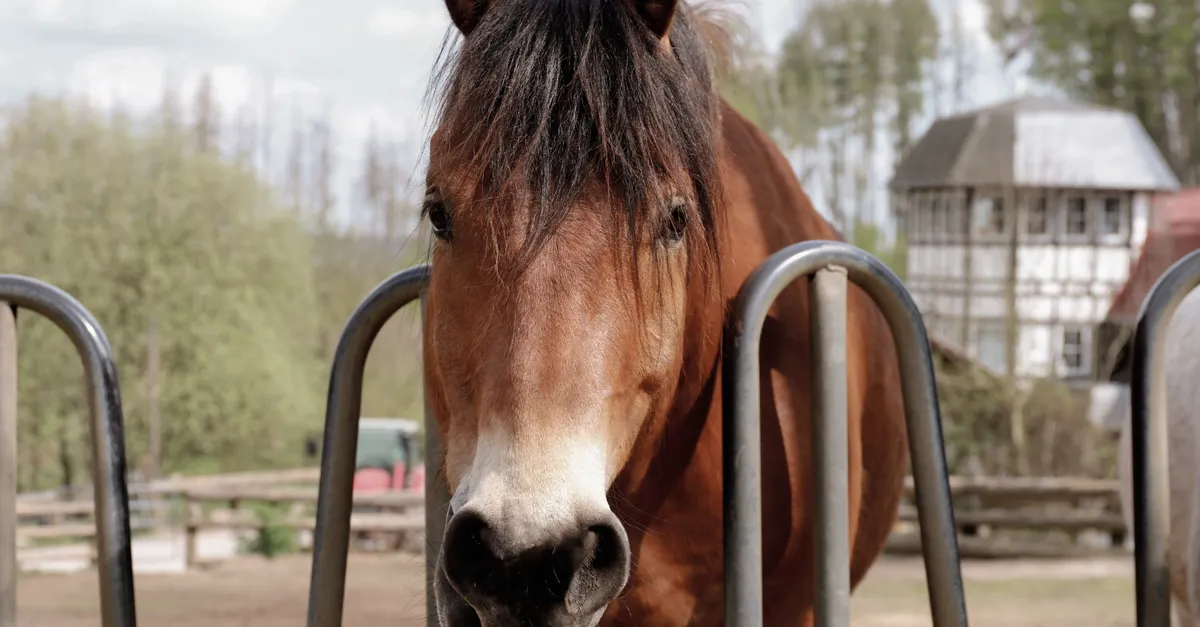
Integrating Research into Everyday Management
Applying the latest research findings to daily pasture management can lead to significant improvements in both horse health and land productivity. Well-managed pastures reduce feed costs and provide complete nutrition for most mature, healthy pleasure horses, as highlighted by Rutgers University Extension. By focusing on ecological balance, strategic grazing, and soil health, owners can create resilient systems that support their animals year-round.
For those seeking additional advice on practical routines, expert tips for daily horse management can complement pasture strategies and help streamline daily care.
Frequently Asked Questions
What are the main benefits of rotational grazing for horse pastures?
Rotational grazing reduces overgrazing, allows forage plants to recover, and helps maintain ground cover. It also disrupts parasite life cycles and supports a more diverse and nutritious pasture for horses.
How often should I conduct soil testing in my horse pasture?
Soil testing should be performed every 2-3 years, or whenever there are noticeable changes in pasture productivity. Regular testing ensures that fertilization practices are tailored to the specific needs of the soil.
What is the recommended acreage per horse for sustainable pasture use?
The recommended stocking rate is 2 acres per 1,000-pound horse. This helps prevent overgrazing and maintains a healthy, productive pasture ecosystem.