
Caring for a stallion requires a thoughtful approach that balances safety, health, and daily management. These horses are known for their strength and spirited nature, making proper handling and management essential for both the animal’s well-being and the handler’s safety. Whether you are new to working with stallions or looking to refine your practices, understanding the fundamentals of stallion care tips can help create a safer and more harmonious environment.
Before diving into specific techniques, it’s important to recognize that stallions have unique needs compared to mares and geldings. Their behavior, nutritional requirements, and exercise routines often differ, and handlers must be prepared to adapt their approach accordingly. For those seeking a broader foundation in equine management, resources like this beginner’s guide to horse care can provide valuable context.
Understanding Stallion Behavior and Temperament
One of the most important aspects of managing a stallion is understanding his natural instincts and behavioral patterns. Stallions can be territorial and may display dominance, especially around other horses or during breeding season. Recognizing early signs of agitation or excitement allows handlers to respond proactively and maintain control.
- Consistent routines help reduce anxiety and unpredictable behavior.
- Establish clear boundaries and use calm, assertive body language.
- Never underestimate the importance of early training and socialization.
Always approach a stallion with confidence and avoid sudden movements. If possible, work with experienced handlers when introducing new routines or environments.
Safe Handling Techniques for Stallions
Proper handling is at the core of every effective stallion management strategy. Here are some practical stallion care tips for safe interaction:
- Use a sturdy, well-fitted halter and lead rope at all times when moving or restraining a stallion.
- Maintain a safe distance from other horses to prevent aggressive encounters.
- Lead from the side, not directly in front, to avoid being in the path of a sudden lunge or kick.
- Always remain alert and aware of the horse’s body language.
When grooming or performing health checks, secure the stallion in a safe area, such as a wash rack or stocks, to minimize risk. If you need to tie the horse, use a quick-release knot or safety tie to allow for fast release in an emergency.
Essential Daily Management Practices
Routine is crucial for stallions. Consistent feeding, exercise, and turnout schedules help reduce stress and behavioral issues. Here are some daily management strategies:
- Feed a balanced diet tailored to the horse’s age, workload, and breeding status.
- Provide access to clean, fresh water at all times.
- Allow for regular turnout in a secure paddock to promote mental and physical health.
- Monitor for signs of illness, injury, or changes in behavior.
Stallions benefit from regular exercise, which helps channel their energy and maintain muscle tone. When possible, use controlled exercise such as lunging or riding in a safe, enclosed area. If turnout with other horses is not possible, consider visual contact with other horses to reduce isolation stress.
Grooming and Health Maintenance for Stallions
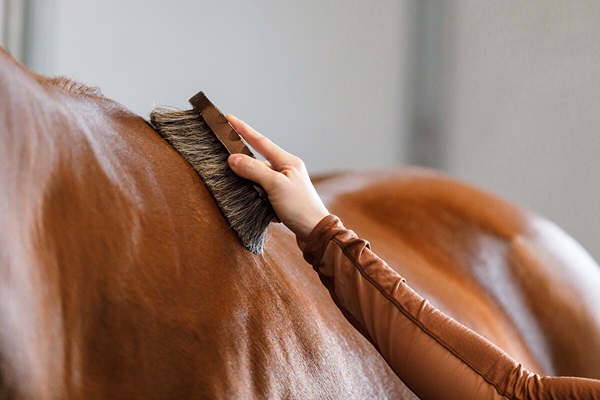
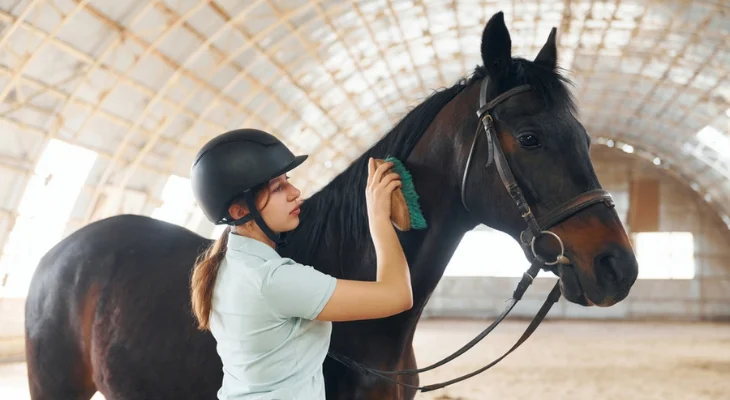
Regular grooming is not just about appearance—it’s a key part of stallion health and bonding. Grooming sessions allow you to check for injuries, skin conditions, or parasites. Use gentle but firm strokes, and always remain aware of the horse’s mood and body language.
- Use quality grooming tools designed for equine care.
- Inspect hooves daily and schedule regular farrier visits.
- Keep the mane and tail free of tangles and debris.
- Watch for signs of discomfort or sensitivity during grooming.
Incorporate routine veterinary care, including vaccinations, dental checks, and deworming. Stallions may require additional monitoring during breeding season, as increased activity can lead to weight loss or injuries.
Facility Design and Safety Considerations
Stallions require secure, well-designed facilities to prevent accidents and escapes. Fencing should be tall, sturdy, and free of sharp edges. Gates must latch securely, and paddocks should be inspected regularly for damage.
- Stalls should be spacious enough for the horse to move comfortably.
- Provide solid partitions between stalls to minimize visual contact and reduce aggression.
- Ensure all equipment and feed storage is kept out of reach.
- Install safety features such as breakaway ties and padded walls where appropriate.
When moving a stallion through the facility, clear the area of distractions and ensure doors and gates are open and unobstructed. Always have an escape route planned in case the horse becomes agitated.
Breeding Management and Special Considerations
If your stallion is used for breeding, additional precautions are necessary. Only experienced handlers should manage breeding sessions, and all equipment should be checked for safety beforehand. Keep detailed records of breeding dates, health checks, and any behavioral changes.
- Use protective gear such as helmets and gloves when handling during breeding.
- Limit breeding sessions to prevent exhaustion and injury.
- Monitor the stallion’s weight and condition throughout the breeding season.
Consider working closely with a veterinarian or breeding specialist to ensure best practices are followed and both horses remain healthy.
Frequently Asked Questions
What are the most important safety tips when handling a stallion?
Always remain alert, use proper equipment, and maintain a calm, assertive presence. Avoid working alone when possible, and never let your guard down, even with stallions you know well.
How often should a stallion be exercised?
Regular exercise is essential for both physical and mental health. Aim for daily turnout or controlled exercise sessions, adjusting intensity based on age, fitness, and breeding schedule.
Can stallions be kept with other horses?
Some stallions can be turned out with geldings or mares under controlled conditions, but many do best with visual contact only. Always introduce new horses gradually and monitor interactions closely to prevent injuries.
Conclusion
Effective stallion management is built on a foundation of knowledge, consistency, and respect for the animal’s natural instincts. By following these stallion care tips—from safe handling and daily routines to facility design and health maintenance—you can create a safer, more rewarding experience for both horse and handler. For those interested in expanding their understanding of equine care, exploring resources like a comprehensive horse care guide can provide additional insights and support your journey in responsible horse ownership.