
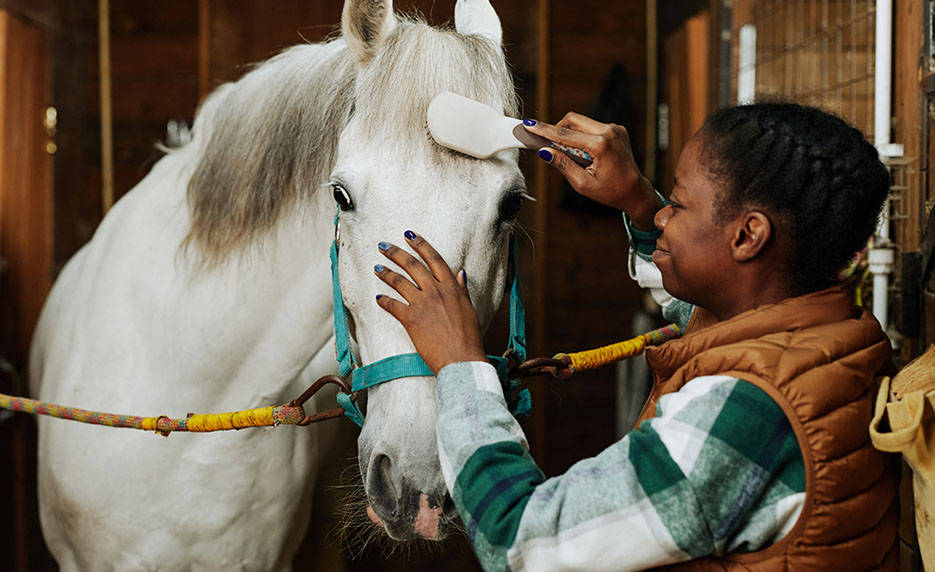
Managing horses on a daily basis requires a blend of knowledge, consistency, and attention to detail. Whether you’re caring for one horse or an entire stable, following professional guidance can make a significant difference in your horse’s health, happiness, and performance. This article shares expert tips for daily horse management to help you streamline your routine and ensure your horse receives the best possible care.
From feeding and grooming to monitoring health and maintaining a safe environment, every aspect of daily horse care matters. By applying proven strategies and staying informed, you can build a strong foundation for your horse’s well-being and long-term success.
For those interested in specialized care, you may also want to review horse muscle care tips to support your horse’s recovery and comfort after exercise or injury.
Daily Routines for Healthy Horses
Establishing a reliable daily routine is the cornerstone of effective horse care. Horses thrive on consistency, and a predictable schedule helps reduce stress and behavioral issues. Here are some essential tasks to include in your daily management plan:
- Feeding: Provide high-quality forage and fresh water at regular intervals. Adjust feed based on your horse’s age, workload, and health status.
- Turnout: Allow your horse time outside for exercise and socialization. Safe turnout reduces boredom and supports physical health.
- Stall Cleaning: Remove manure and wet bedding daily to maintain a clean, healthy environment and minimize the risk of respiratory issues.
- Observation: Spend time watching your horse for changes in behavior, appetite, or movement. Early detection of problems is key to preventing serious health issues.
For a more comprehensive overview of the basics, check out this beginner’s guide to horse care for practical advice on nutrition, shelter, and daily needs.
Nutrition and Hydration: Professional Recommendations
Proper nutrition is fundamental to your horse’s health and performance. Experts recommend evaluating your horse’s diet regularly and making adjustments as needed. Here are some professional insights:
- Forage First: The majority of a horse’s diet should come from good-quality hay or pasture. Limit grain unless your horse has higher energy requirements.
- Fresh Water: Ensure unlimited access to clean, fresh water. Horses can drink between 5 and 15 gallons per day, depending on weather and activity.
- Salt and Minerals: Provide a salt block or loose minerals to support electrolyte balance and overall health.
- Monitor Body Condition: Regularly assess your horse’s weight and adjust feed as needed to maintain an ideal body condition score.
Consult with an equine nutritionist or veterinarian to tailor your horse’s diet to their specific needs, especially if you notice changes in weight, coat, or energy levels.
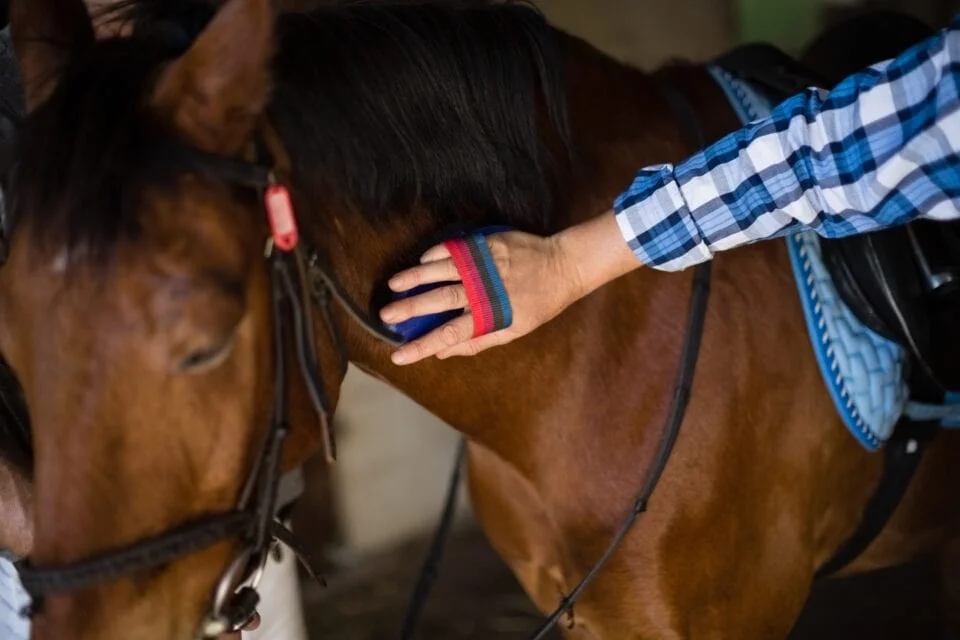
Grooming and Hygiene: Daily Best Practices
Consistent grooming is more than just keeping your horse looking good—it’s essential for their health and comfort. Here are some expert tips for daily horse management focused on grooming and hygiene:
- Daily Brushing: Use appropriate brushes to remove dirt, loose hair, and debris. This stimulates circulation and allows you to check for cuts or swelling.
- Hoof Care: Pick out hooves every day to prevent thrush and check for stones or injuries. Schedule regular farrier visits for trimming and shoeing.
- Bathing: Bathe your horse as needed, especially after heavy exercise or in hot weather. Use mild, horse-specific shampoos to avoid skin irritation.
- Clean Tack: Wipe down saddles, bridles, and other equipment after each use to prevent buildup of sweat and dirt.
Maintaining good hygiene also helps prevent skin infections and keeps your horse comfortable year-round. For more detailed advice, see our guide on equine hygiene best practices.

Monitoring Health and Spotting Early Signs of Trouble
One of the most important aspects of daily care is monitoring your horse’s health. Early detection of illness or injury can make a significant difference in treatment outcomes. Here’s how to stay proactive:
- Check Vital Signs: Learn to measure your horse’s temperature, pulse, and respiration. Know what’s normal for your horse.
- Watch for Changes: Be alert to shifts in appetite, drinking, manure, or behavior. Subtle changes can signal underlying health issues.
- Inspect for Injuries: Look for cuts, swelling, or lameness during grooming and handling.
- Keep Records: Maintain a log of health checks, vaccinations, deworming, and farrier visits.
If you notice anything unusual, consult your veterinarian promptly. For more guidance on recognizing health issues, refer to our article on spotting early signs of illness in horses.
Stable and Pasture Safety: Reducing Risks Daily
Creating a safe environment is a key part of expert tips for daily horse management. Horses are naturally curious and can get into trouble if their surroundings aren’t secure. Here are some safety measures to implement:
- Inspect Fencing: Walk the perimeter daily to check for broken boards, loose wires, or other hazards.
- Remove Debris: Clear pastures and stalls of sharp objects, toxic plants, and trash.
- Safe Storage: Store feed, supplements, and medications securely out of reach.
- Fire Prevention: Keep aisles clear, store hay away from electrical sources, and have fire extinguishers accessible.
For more detailed safety advice, our resource on horse pasture safety tips covers hazard-proofing your fields and turnout areas.
Rest, Sleep, and Mental Well-Being
Horses need adequate rest and mental stimulation to stay healthy and content. Ensure your horse has a comfortable place to lie down and enough downtime each day. Social interaction with other horses or gentle handling by humans also supports emotional health. If you’re curious about how horses rest and sleep, our article on horse sleep habits explained provides valuable insights.
Frequently Asked Questions
How often should I groom my horse?
Daily grooming is recommended to keep your horse’s coat clean, check for injuries, and build a strong bond. Even a quick brush each day can make a big difference in their health and comfort.
What are the signs my horse might be unwell?
Watch for changes in eating or drinking habits, lethargy, abnormal manure, coughing, nasal discharge, or lameness. Early detection and prompt veterinary attention are crucial for the best outcome.
How can I make my horse’s environment safer?
Regularly inspect fences, remove hazards from stalls and pastures, store chemicals and feed securely, and keep walkways clear. Routine safety checks help prevent accidents and injuries.
What’s the best way to monitor my horse’s weight?
Use a weight tape or body condition scoring system monthly. Adjust feed and exercise as needed, and consult your veterinarian if you notice significant changes.
By following these expert tips for daily horse management, you’ll be well-equipped to provide your horse with the care and attention they deserve. Consistency, observation, and a proactive approach are the hallmarks of successful horse stewardship.